





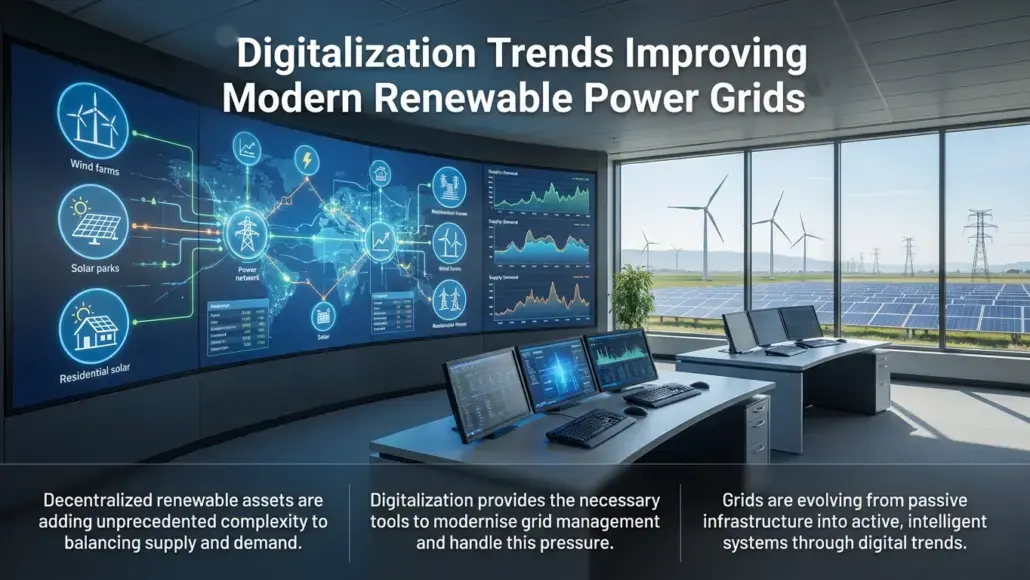
The shift toward a decentralized and renewable dominated energy system is placing unprecedented pressure on traditional grid management practices. As millions of new assets, from utility scale wind farms to residential solar panels, are added to the network, the complexity of balancing supply and demand increases exponentially. Digitalization trends in modern renewable power grids are providing the tools necessary to manage this complexity, transforming the grid from a passive infrastructure into an intelligent, data driven system. PowerGen Advancement observes that by leveraging advanced sensors, real time analytics, and artificial intelligence, grid operators can improve the efficiency, reliability, and security of energy systems while accelerating the transition to a low carbon future. According to industry reports, the global smart grid market was valued at approximately 61.05 billion dollars and is projected to experience substantial growth over the coming decade. This investment is being driven by the need for better visibility into grid operations and the requirement for automated control systems that can respond to the rapid fluctuations of variable generation. The digital energy transition is not just about technology but represents a fundamental change in how energy companies operate, interact with customers, and manage their physical assets. This transformation is essential for maintaining stability in a world where energy flows are increasingly bidirectional and unpredictable.
The Role of Smart Sensors and IoT in Grid Monitoring
At the heart of grid digitalization trends is the deployment of smart sensors and Internet of Things (IoT) devices across the entire energy value chain. These devices provide a continuous stream of data on everything from voltage levels and current flows to the temperature of transformers and the mechanical health of wind turbine blades. This granular visibility allows grid operators to detect anomalies in real time, enabling predictive maintenance that can prevent costly outages and extend the life of equipment. In many cases, digital systems can automatically reroute power or adjust settings to clear a fault before it impacts customers, significantly improving the quality of service. 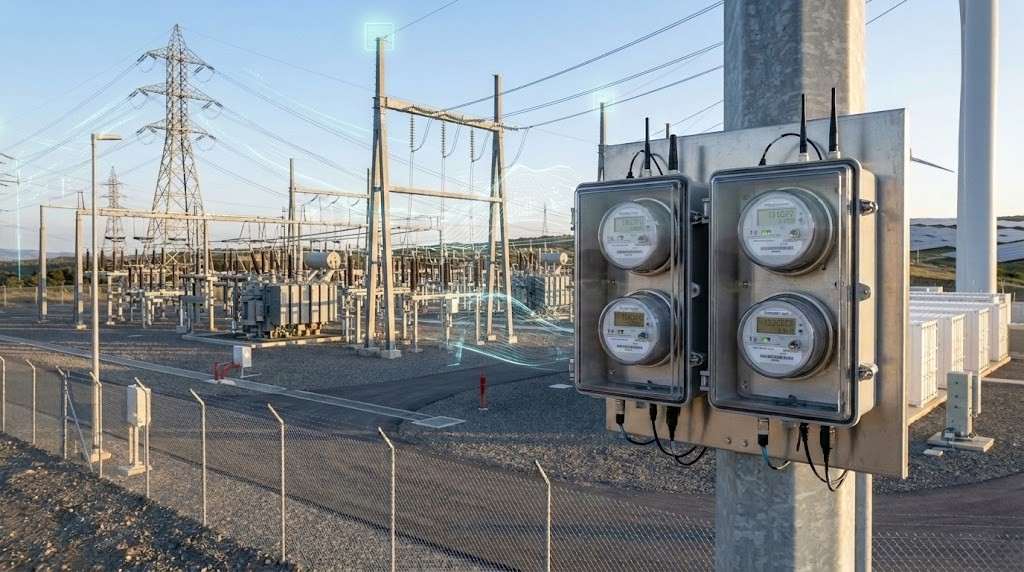 Advanced metering infrastructure (AMI) is also a key component of this trend, providing a two way communication link between utilities and their customers. Beyond simple billing, AMI allows for the implementation of demand response programs, where consumers are incentivized to shift their energy use to periods of high renewable production or low overall demand. This level of interaction is essential for a flexible grid, as it helps to smooth out peaks and reduces the need for expensive and polluting backup generation. The data generated by these meters also provides valuable insights into consumption patterns, helping utilities to better plan their future infrastructure investments and develop personalized energy services.
Energy Data Analytics and Artificial Intelligence in Operation
The massive volume of data generated by a digitalized grid is only useful if it can be analyzed and acted upon quickly and accurately. Energy data analytics and artificial intelligence (AI) are being used to process this information, providing grid operators with the situational awareness needed to make informed decisions in a fast moving environment. AI algorithms can predict renewable generation patterns with high accuracy by analyzing weather data and historical performance, allowing for better scheduling of other resources. Similarly, machine learning can identify patterns of energy use that indicate a potential equipment failure or a cyber threat, allowing for proactive and automated responses. Digital twin technology is another significant digitalization trend that is gaining traction in the power industry. A digital twin is a virtual replica of a physical asset or even an entire grid, which can be used to simulate different operating scenarios and test new control strategies in a safe environment. This allows operators to explore the impact of adding a new wind farm, a large battery storage facility, or a new interconnector without risking the stability of the real world system. As the grid becomes more complex, digital twins are becoming an essential tool for long term planning and operational optimization, helping to ensure that the system remains robust under a wide range of conditions and contingencies.
Cybersecurity in an Interconnected and Digital Energy System
As the grid becomes more digitalized and interconnected, it also becomes more vulnerable to a wider range of cyberattacks. Protecting the energy system from malicious actors is a top priority for governments, regulators, and utilities around the world. A successful attack on power infrastructure could have devastating consequences for the economy, public safety, and national security, making cybersecurity a fundamental pillar of modern grid management. This involves not only securing the digital control systems but also ensuring the integrity and privacy of the data that drives them. Modern energy cybersecurity strategies involve a multi layered approach, including robust encryption, continuous monitoring for threats, and the implementation of zero trust architectures. Grid operators are also working to improve their resilience, ensuring that they can quickly recover from an incident and maintain essential services through manual overrides or isolated operating modes. The collaboration between energy companies, technology providers, and government agencies is essential for staying ahead of evolving threats and for developing common standards and best practices for the entire industry. As the number of connected devices grows, the complexity of securing the perimeter increases, requiring a shift toward decentralized security models.
Facilitating Grid Integration and Regional Decarbonization
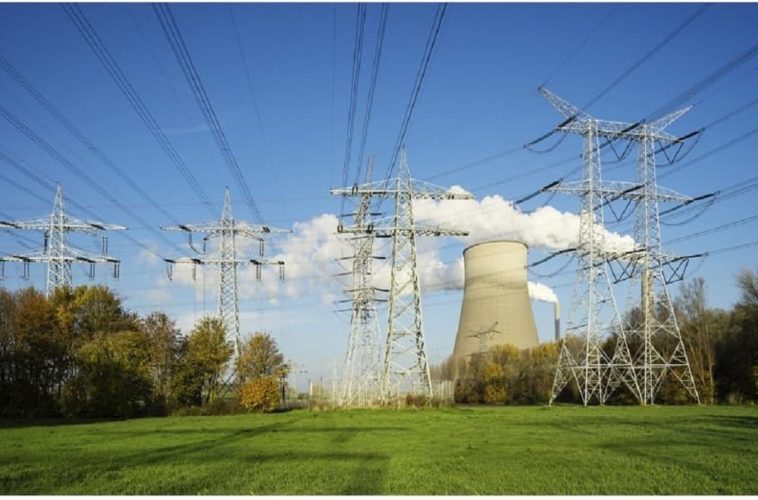
Digitalization is a primary enabler for the integration of high levels of renewable energy and for the development of regional energy markets. By providing the tools for real time balancing and advanced forecasting, it allows grid operators to maximize the use of clean power while maintaining system stability and reducing costs. This is particularly important for large scale projects that span multiple geographic regions and involve different grid operators. The ability to coordinate the flow of energy across a broad network is a key benefit of a digitalized system. For a deeper look at the physical infrastructure that these digital systems control, the ongoing efforts in interconnecting power grids for renewable energy flow demonstrate how technology is enabling a more flexible and efficient global energy market. These digital systems also support the rise of new business models, such as peer to peer energy trading and virtual power plants (VPPs). In a virtual power plant, thousands of small scale resources like rooftop solar, home batteries, and electric vehicle chargers are coordinated to act as a single, dispatchable power plant. This allows decentralized assets to participate in wholesale energy markets and provide essential grid services, further enhancing the flexibility and resilience of the system. Digitalization is effectively democratizing the energy system, allowing a wider range of participants to contribute to the transition and share in its economic benefits.
Operational Performance and Advanced Asset Management
Beyond grid stability, digitalization trends are delivering significant improvements in the operational performance and financial efficiency of energy companies. Renewable asset management platforms provide a centralized view of a company’s entire portfolio, allowing for the optimization of performance across multiple sites and technologies. By identifying underperforming assets and optimizing maintenance schedules based on real time data, these systems can significantly increase the return on investment for renewable projects. This data driven approach to management is becoming a standard practice for large scale energy developers and institutional investors. 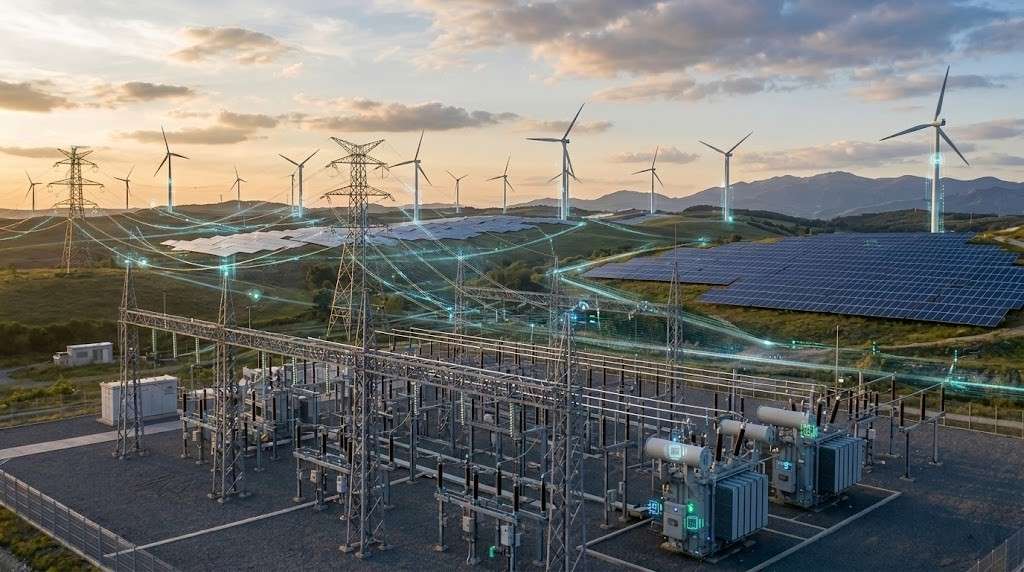 The use of drones and robotic systems for inspections is also a growing digitalization trend, particularly for assets in remote or hazardous locations such as offshore wind farms or high voltage transmission lines. These systems can carry out detailed visual and thermal inspections more quickly and safely than human crews, capturing high resolution data that can be analyzed by AI algorithms. The information captured by these systems can be integrated into digital twins and asset management platforms, providing a comprehensive and up to date view of the health of the entire grid infrastructure. This proactive approach to asset management reduces downtime and improves the long term reliability of the system.
Accelerating the Digital Energy Transition
The transition toward an intelligent, data-driven grid is being actively driven by major global energy technology corporations rolling out dedicated digitalization platforms. Siemens recently modernized transmission planning with the introduction of Gridscale X, a software platform equipped with AI-powered, agentic capabilities to manage growing grid complexity. GE Vernova enhanced localized grid resilience by launching GridBeats, an automation portfolio designed to digitalize substations and autonomously manage decentralized energy zones.
Hitachi Energy has similarly prioritized digitalization by deploying unified energy software portfolios that manage asset health and real-time grid control. ABB continues to push the boundary in advanced utility systems, providing new digital distribution tools and AI integrations for real-time monitoring. In physical infrastructure software integration, Schneider Electric recently unveiled the world’s first fully software-defined medium voltage switchgear, separating intelligence from hardware to accelerate power distribution scalability for high-demand AI and energy centers.
The Role of Edge Computing and 5G in Grid Evolution
The future of grid digitalization will be characterized by the continued integration of AI and the expansion of the industrial internet of things at the network edge. As edge computing becomes more powerful and affordable, more data processing will occur at the source, allowing for even faster response times and reduced latency. This is essential for managing rapid frequency changes and for coordinating the actions of millions of decentralized devices. The development of 5G and other high speed communication networks will provide the bandwidth and reliability needed to support these connected devices across the entire grid. Looking ahead, the boundaries between the digital and physical worlds of energy will continue to blur, creating a seamless and intelligent system. The grid will increasingly operate as a self healing, autonomous network that can optimize itself in real time to achieve the highest levels of efficiency, sustainability, and safety. While the challenges of cybersecurity, data privacy, and technical interoperability remain significant, the benefits of digitalization for the global energy transition are clear and undeniable. PowerGen Advancement notes that by building an intelligent and data driven grid today, we are ensuring a reliable, affordable, and clean energy future for everyone.
References
- IEA
- International Renewable Energy Agency
- U.S. Department of Energy
- Siemens
- GE Vernova
- Hitachi Energy
- ABB
- Schneider Electric