
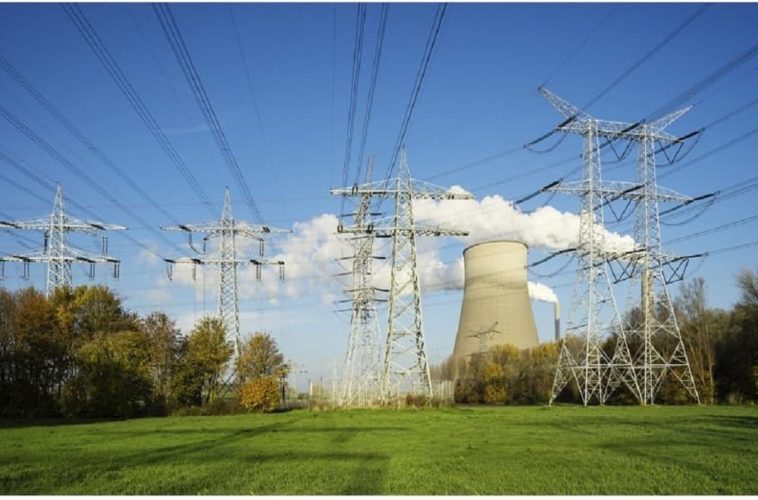
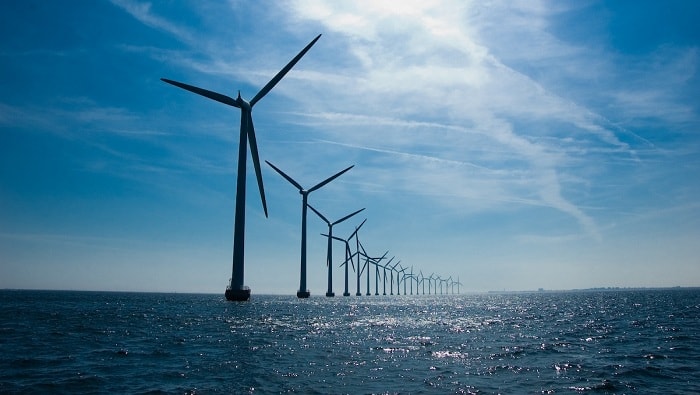



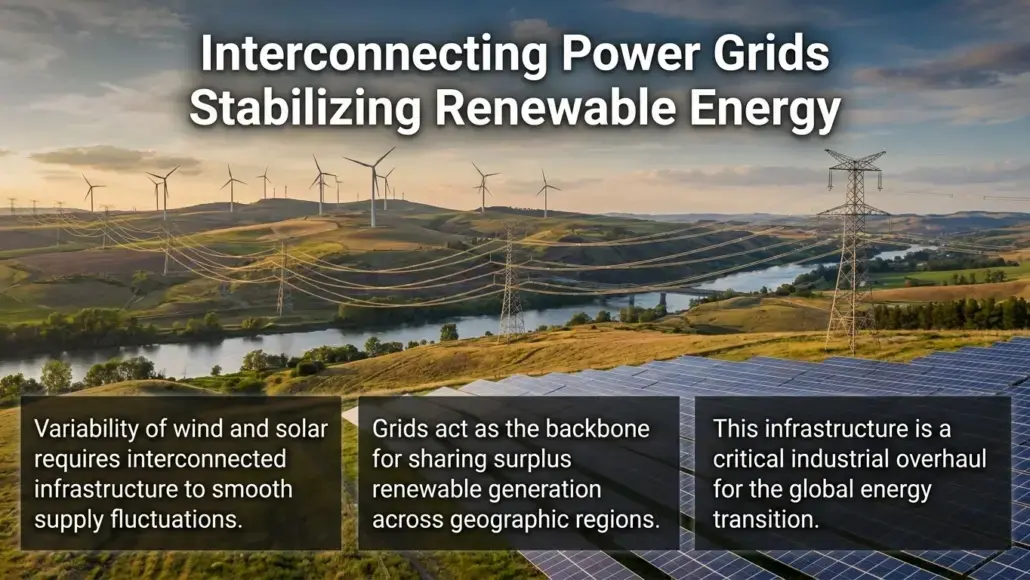
The global energy transition is no longer a distant ambition but an active industrial overhaul that requires a fundamental reimagining of how electricity moves across geographic boundaries. As nations rapidly deploy wind and solar assets, the inherent variability of these sources creates a pressing need for physical infrastructure that can smooth out supply fluctuations. Interconnecting power grids serves as the backbone of this strategy, allowing regions with a surplus of renewable generation to export power to areas facing a deficit. PowerGen Advancement observes that this structural shift is moving the power industry away from isolated, centralized systems toward a decentralized and highly integrated network that prioritizes efficiency and decarbonization.
Recent data from the International Energy Agency indicates that global electricity demand increased by approximately 4.3 percent in 2024, driven by the expansion of electrification in transport and heating. To meet this rising demand while adhering to climate targets, the integration of variable generation must be supported by significant investment in transmission infrastructure. The concept of a supergrid is gaining traction, particularly in Europe and North America, where high voltage direct current lines are being planned to link distant renewable resource zones with major industrial hubs. These projects are not merely technical feats but represent a new paradigm in energy security and market flexibility.
Enhancing System Flexibility and Reliability
The primary driver for interconnecting power grids is the requirement for system flexibility. Traditional power systems were designed around large, dispatchable coal or gas plants that could be ramped up or down to meet demand. In a grid dominated by renewables, the supply side becomes variable, meaning the grid must find new ways to balance itself. By linking different weather zones, grid operators can utilize the geographical diversity of wind and solar. If the wind is not blowing in the North Sea, solar production from Southern Europe can fill the gap, provided the transmission capacity exists to move that energy.
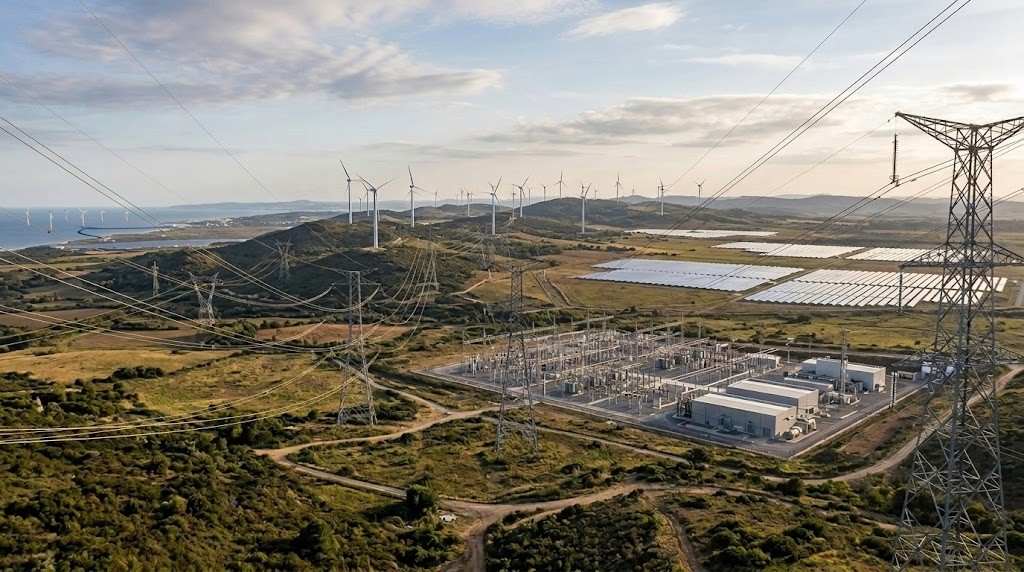
This spatial smoothing reduces the need for expensive and carbon intensive peaking plants. It also minimizes the curtailment of renewable energy, which occurs when a local grid has more power than it can handle and must shut down turbines or panels to prevent overload. Interconnection ensures that every kilowatt hour of clean energy produced has a destination, thereby improving the economic viability of renewable projects. The robustness of the network is further enhanced because an interconnected system can share reserves during emergency events, such as extreme weather or unexpected plant outages. The ability to draw on a wider pool of resources makes the entire regional system more resilient to localized disruptions.
Economic Impacts and Market Integration
Beyond technical stability, interconnecting power grids facilitates the development of flexible power markets. In an integrated market, electricity can be traded based on price signals that reflect real time supply and demand across a broad region. This encourages competition and lowers costs for consumers. Large scale interconnections allow for the optimization of resource use, where the cheapest and cleanest energy is prioritized regardless of where it is generated. The European Union has long been a leader in this area, with its Target Model aiming to create a single internal electricity market through market coupling.
Investment in these projects is substantial and represents a major shift in capital allocation. The International Energy Agency reports that to achieve net zero goals, annual investment in power grids needs to double by 2030 to over 600 billion dollars. A significant portion of this capital is being directed toward cross border projects that require complex regulatory alignment and international cooperation. These investments are increasingly seen as essential rather than optional, as the cost of grid congestion and energy waste far outweighs the capital expenditure required for new transmission lines. The emergence of green bonds and dedicated infrastructure funds is helping to provide the necessary liquidity for these multi decade projects.
High Voltage Direct Current Technology Advances
The technical feasibility of long distance interconnection has been greatly enhanced by advances in High Voltage Direct Current (HVDC) technology. Unlike traditional Alternating Current (AC) lines, HVDC allows for the transmission of electricity over thousands of kilometers with minimal losses. This is particularly important for connecting remote renewable resources, such as offshore wind or desert solar, to distant cities. The latest voltage source converter (VSC) technology provides greater control over the flow of power, allowing for better integration with existing AC networks and providing essential services like black start capability.
The materials used in these systems are also evolving. New insulation technologies and superconducting materials are being developed to increase the power density of cables and reduce their environmental footprint. Undergrounding and subsea placement are becoming more common as a way to avoid public opposition and minimize land use impacts. These engineering innovations are making it possible to build the physical links that were once considered impossible, turning the vision of a global energy network into a tangible reality. The continued refinement of converter stations, which serve as the interface between AC and DC systems, is also reducing the physical footprint and cost of these vital connection points.
Technical Challenges and Infrastructure Solutions
Building the physical links necessary for interconnecting power grids involves overcoming significant engineering hurdles. Grid operators must manage the complexity of synchronizing different national systems that may have varying technical standards and operating frequencies. Even within a single country, the integration of new transmission lines requires a high degree of coordination between multiple utilities and regulators. The physical installation process, whether overhead, underground, or subsea, involves sophisticated logistics and advanced heavy machinery.
As these systems become more complex, maintaining stability becomes a critical priority for engineers and system planners. One of the most significant challenges in modern renewable energy flow is the loss of mechanical inertia as traditional thermal plants are retired. This shift necessitates new technological interventions to ensure the grid remains stable during sudden frequency changes. For a deeper look at the mechanical solutions being deployed to address this specific issue, the use of synchronous condensers for renewables heavy grid stability provides a critical layer of system strength that complements physical interconnection. The combination of electronic control and mechanical strength is the key to a robust future grid.
Regulatory Hurdles and Policy Alignment in North America
In North America, the process of interconnecting power grids faces significant regulatory hurdles that often move slower than the technology. The fragmented nature of the grid, which is managed by a mix of regional transmission organizations, independent system operators, and vertically integrated utilities, creates a complex patchwork of rules. Permitting a new long distance transmission line can involve multiple state and federal agencies, leading to delays that can last over a decade. This administrative friction is a major barrier to the deployment of the clean energy assets needed to meet state and federal climate goals.
To address this, there is a growing push for federal backstop authority and more streamlined permitting processes. The Federal Energy Regulatory Commission has recently proposed new rules to improve the way transmission is planned and paid for, aiming to move toward a more proactive and regional approach. Better coordination between the United States and Canada is also essential, as the two nations share a highly integrated energy market that benefits from the exchange of clean hydroelectric and wind power. Harmonizing technical standards and cost allocation models across these borders is a vital step for the continued expansion of the North American grid.
Regional Case Studies in Global Interconnection
Several regions around the world are currently demonstrating the transformative power of large scale grid integration. In Southeast Asia, the ASEAN Power Grid aims to link ten nations to facilitate the sharing of renewable resources. This initiative is expected to enhance regional energy security and support the deployment of significant renewable capacity across the bloc, particularly in countries with limited domestic resources. The project involves building new subsea cables and upgrading cross border links to create a more resilient and flexible regional market.
In Europe, the development of the North Sea Wind Power Hub is a prime example of how multiple nations can collaborate on offshore infrastructure. This project involves building artificial islands or platforms that serve as connection points for massive offshore wind farms, allowing power to be distributed to Denmark, Germany, the Netherlands, and the United Kingdom. Such projects illustrate that interconnecting power grids is not just about moving energy between two points, but about creating a multi directional web that supports a diverse and resilient energy mix. The lessons learned from these projects are now being applied to other resource rich regions, such as the Mediterranean and the Baltic Sea.
The Geopolitics of Energy Interdependence
The success of interconnecting power grids depends heavily on the political climate and the level of trust between neighboring states. As nations become more reliant on their neighbors for essential energy services, the geopolitical implications of interdependence come to the fore. Shared legal frameworks, clear dispute resolution mechanisms, and transparent market rules are as important as the copper and steel in the ground. Organizations like ENTSO-E in Europe provide a template for how transmission system operators can coordinate long term planning and daily operations to ensure a smooth renewable energy flow across a continent.
However, energy interdependence can also be a source of tension. Concerns about energy being used as a lever of influence can lead to a preference for domestic production even when it is more expensive. Navigating these concerns requires a high degree of diplomatic engagement and a commitment to shared goals. The shift toward a global clean energy system provides a unique opportunity for international cooperation, as nations work together to address the common challenge of climate change. The physical infrastructure of interconnected grids can serve as a powerful symbol of this new era of collaboration.
The Role of Data and Advanced Control Systems
Looking ahead, the operation of interconnected grids will be increasingly driven by data and advanced control systems. The integration of millions of distributed energy resources requires a level of coordination that is impossible without sophisticated software and real time monitoring. Smart sensors and Internet of Things devices are being deployed throughout the network to provide granular visibility into the flow of power. This data allows grid operators to optimize the use of transmission capacity and respond to disturbances with greater speed and precision.
Artificial intelligence and machine learning are also playing a larger role in grid management. These technologies can be used to predict renewable generation patterns, forecast demand, and identify potential equipment failures before they occur. The use of digital twins allows for the simulation of different operating scenarios, helping operators to test new control strategies in a safe and virtual environment. As the grid becomes more digitalized, the ability to manage and analyze data will be as important as the ability to build physical infrastructure. The synergy between digital intelligence and physical connectivity is the ultimate goal of modern grid planning.
Building the Physical Infrastructure for Global Grid Interconnection
The transition toward highly integrated and flexible regional energy markets is driving massive infrastructure investments from the world’s leading power technology and utility companies. To bridge distant renewable resource zones, National Grid successfully operationalized the Viking Link, now recognized as the longest land and subsea HVDC interconnector globally, allowing up to 1,400 MW of power exchange between the UK and Denmark.
The subsea cable manufacturing sector is rapidly scaling to meet this demand. Prysmian Group recently secured a €600 million contract to build Australia’s Marinus Link, while NKT A/S finalized its partnership to deliver 380 kilometers of 525 kV HVDC cabling for two major Scottish transmission links. To execute the physical installation of these massive subsea routes, Nexans inaugurated the CLV Nexans Electra, a specialized vessel designed specifically for long-distance HVDC cable laying. Finally, at the critical connection points where AC and DC grids meet, Siemens Energy continues to advance High Voltage Direct Current technology, recently partnering with a German shipyard to construct a massive 2 GW offshore converter platform.
Future Outlook for Global Connectivity
PowerGen Advancement believes that the trend toward interconnecting power grids is set to accelerate as the global energy transition gathers momentum. New technologies, such as superconducting cables and advanced power electronics, promise to further reduce losses and increase the capacity of existing corridors. The rise of green hydrogen production also adds a new dimension to grid planning, as operators consider whether to move electrons via wires or molecules via pipelines. In both scenarios, the goal remains the same: to create a global energy system that is sustainable, reliable, and affordable for everyone.
As the industry moves toward this vision, the focus will increasingly shift toward maximizing the efficiency of every connection. This involves not only building new lines but also optimizing the operation of the entire network through international cooperation and digital innovation. The integration of renewable energy at a global scale is perhaps the greatest engineering challenge of the twenty first century, and the continued expansion of interconnected grids is the most effective tool available to meet it. The journey toward a truly global and sustainable power market is just beginning, and the foundation is being laid by the cables and converters being built today.
References
- International Energy Agency
- IRENA
- Siemens Energy
- Prysmian Group
- Nexans
- National Grid
- NKT A/S