



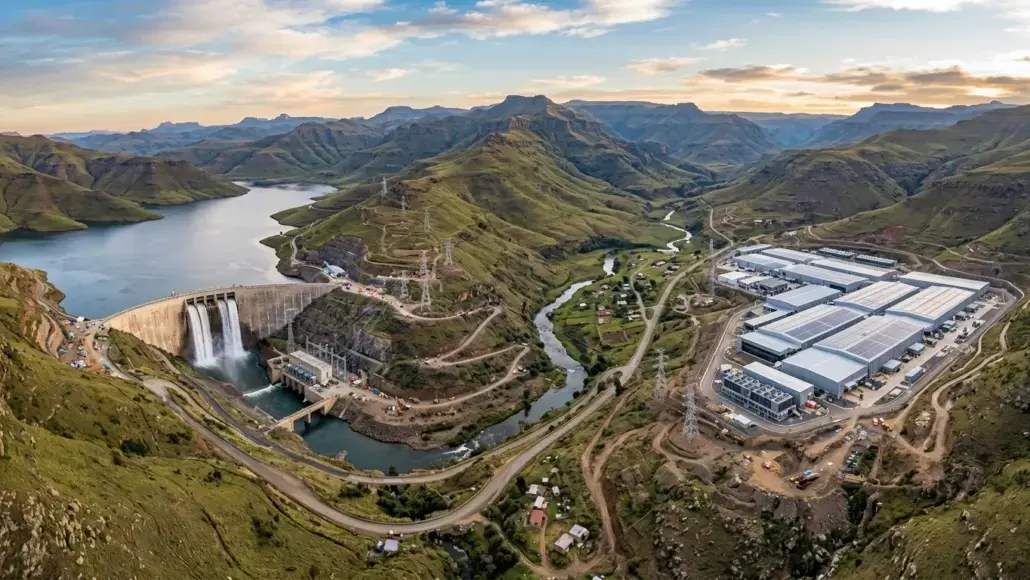
The government of Lesotho has entered into an agreement valued at USD 6.2 billion with United States-based firm Convalt Energy. This deal marks the largest investment commitment in the nation’s history, focusing on the development of a 1,200MW hydropower project alongside a specialized AI data center located near the Kobong Dam. The agreement was finalized on June 6 and underscores a significant shift in the country’s approach to infrastructure development.
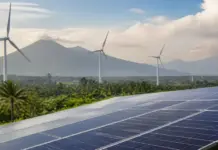
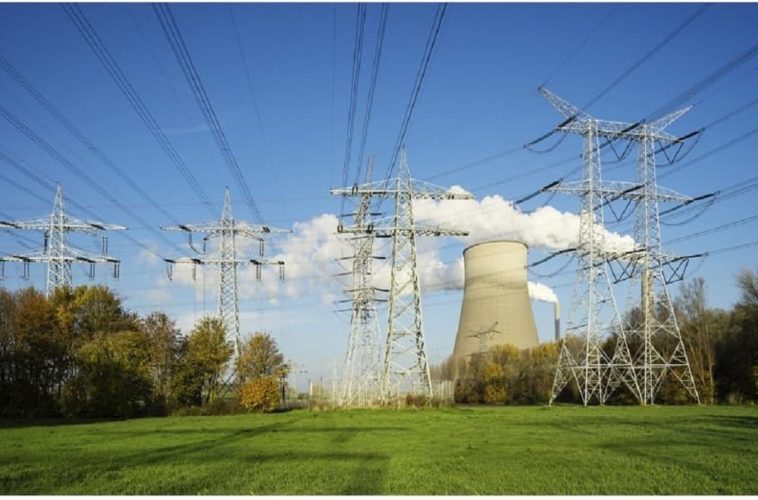
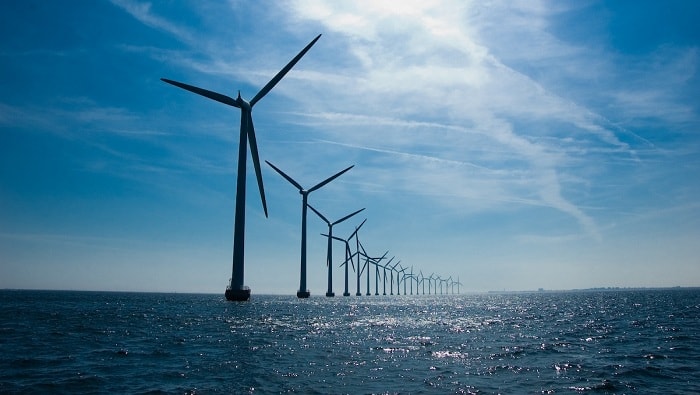
Currently, Lesotho maintains an installed generation capacity of approximately 72MW, primarily derived from hydropower. Because this capacity does not meet domestic demand, the nation relies heavily on power imports from neighboring countries through the Southern African Power Pool. By constructing the USD 6.2B hydropower project , Lesotho intends to increase its domestic power production by more than sixteen-fold. This expansion in Lesotho renewable energy capacity is expected to move the country toward total energy self-sufficiency and establish it as a regional electricity exporter.
The USD 6.2B hydropower project includes the establishment of an AI data center, aligning with a global trend of co-locating energy-intensive computing facilities with reliable renewable sources. As investment in digital technology grows, the demand for stable, low-cost power becomes paramount. Lesotho is positioning itself to meet these requirements by leveraging its water resources. Furthermore, the country is expanding its participation in the International Renewable Energy Certificate system to facilitate the trade of certified clean energy.
While the recent signing represents a binding memorandum of agreement, officials have noted that the initiative is still in its early stages. The successful realization of this Lesotho renewable energy vision depends on the completion of several critical components. Before construction can commence, the project must undergo rigorous feasibility studies, environmental impact assessments, and the procurement of necessary regulatory approvals. Additionally, securing long-term power purchase agreements and financing for this investment remains a primary requirement for the developers. The USD 6.2B hydropower project serves as an ambitious effort to diversify the national economy beyond its traditional reliance on water exports, textiles, and customs revenues.