



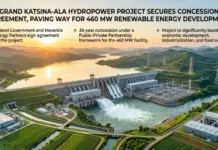
Nigeria Inks Grand Katsina-Ala Hydropower Project Concession
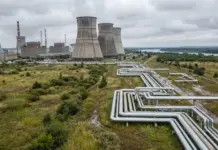
The Federal Government of Nigeria has officially signed the Concession Agreement for the Grand Katsina-Ala Hydropower Project, a landmark development in Nigeria's renewable energy...
India, Bhutan Bolster Energy Partnership with New Agreements
India’s Union Minister for Power and Housing & Urban Affairs, Manohar Lal Khattar, made a four-day official visit to Bhutan, highlighting a renewed phase...
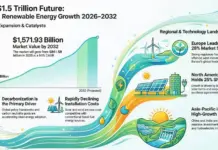
Renewable Energy Market Report 2026 Projects Massive Jump
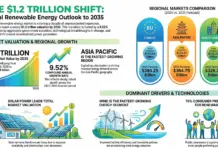
The global energy landscape is currently undergoing a transformative shift as the world prioritizes sustainability and carbon neutrality. Renewable energy, which is derived from...
Switzerland Decides to Speed Up Renewable Energy Projects
Switzerland's Federal Council decided on February 25, 2026 to put most parts of the draft law on speeding up procedures into effect from April...
Hydrogen Power Purchase Agreements and Risk Allocation
The expansion of the hydrogen economy is fundamentally dependent on the creation of bankable contractual frameworks that can manage the complexities of renewable energy sourcing and industrial offtake. Mastering the nuances of risk allocation within these agreements is essential for attracting long-term capital and ensuring the financial stability of utility-scale projects.
Hydrogen Storage Caverns for Grid Scale Deployment
The transition to a weather-dependent energy grid necessitates a massive increase in seasonal storage capacity. Utilizing underground salt caverns for large-scale hydrogen reserves offers a safe, high-density solution for balancing the long-term fluctuations of renewable energy, ensuring that the power grid remains resilient even during extended periods of low wind and solar output.
Marine Hydrogen Bunkering Transforming Port Power Systems
The decarbonization of the global shipping industry requires a fundamental shift in how ports manage and distribute energy. By integrating hydrogen bunkering facilities with high-capacity shore power systems, coastal hubs can evolve into clean energy centers that support zero-emission maritime transport while enhancing the resilience of the local electrical grid.
Subscribe Our Newsletters
White Papers
Transitioning Floating Offshore Wind into Mainstream Energy
As global electricity demand is projected to double by 2050, the role of offshore wind has never been more critical. However, traditional fixed-bottom technology...
Building A Global Presence For Growing EPC Companies
In today’s rapidly shifting energy and natural resource industry, every decision is global. New resources are discovered and developed, old ones are optimized, and...
Wind Energy Moving Ahead
As the first country in the world, Denmark has decided to lead the transition and become entirely independent of fossil fuels by 2050. One...