





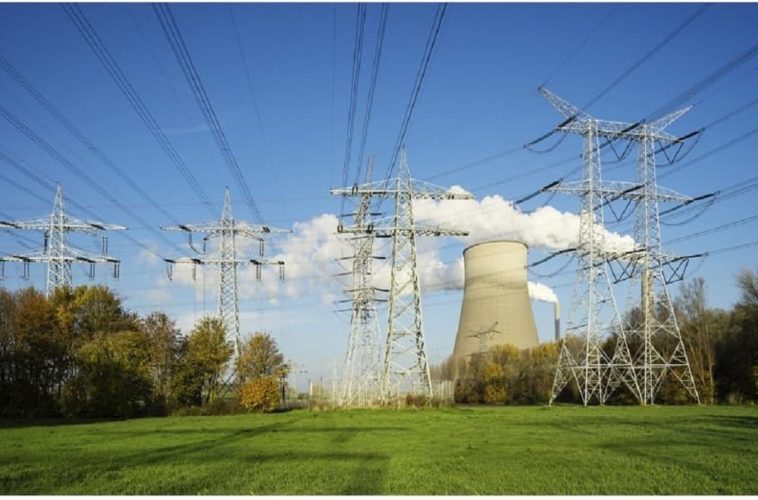





The global energy landscape is undergoing a dynamic evolution, driven by a powerful confluence of technological advancements, supportive regulatory frameworks, and rapidly shifting consumer preferences toward sustainable solutions. Nations across the globe are aggressively striving to meet ambitious climate goals, creating palpable momentum for adopting sustainable energy generation. Power Gen Advancement delves into the current state and future forecast of the renewable energy transition market, detailing the fundamental drivers, segmental shifts, and regional expansions expected over the next decade.
Market Size and Growth Forecast
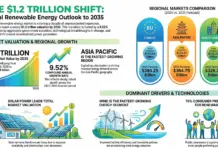
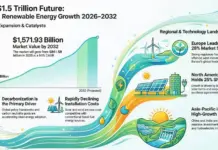
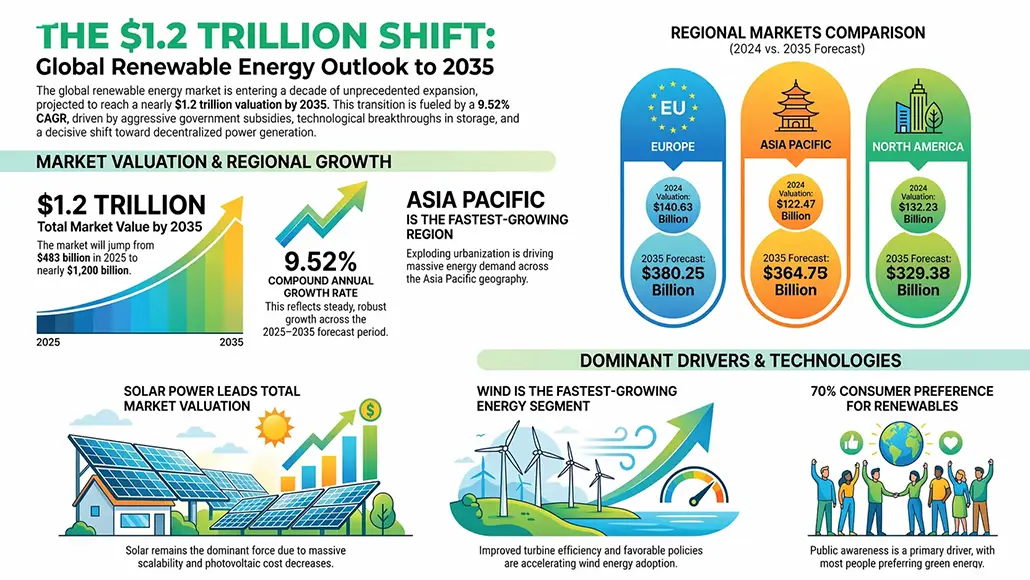
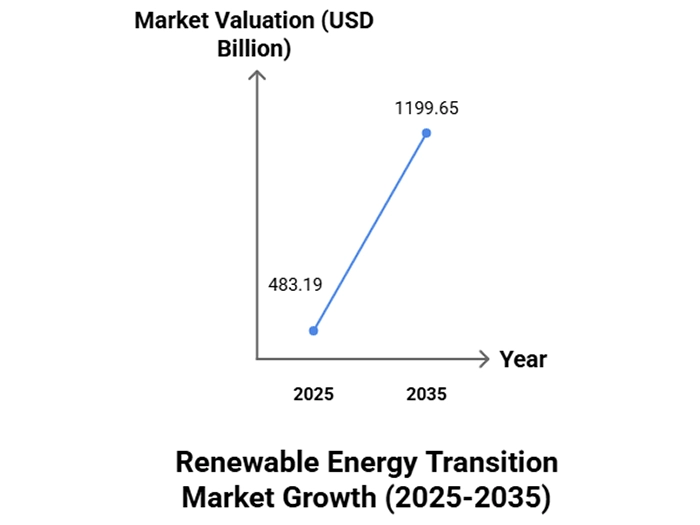
The renewable energy transition market is experiencing unprecedented, robust growth worldwide. In 2024, the market size was officially estimated at 441.19 USD Billion. Fueled by escalating demand for clean energy and vital government incentives, the industry is projected to jump from 483.19 USD Billion in 2025 to a staggering $1199.65 USD Billion valuation by the year 2035. This represents a steady Compound Annual Growth Rate (CAGR) of 9.52% throughout the 2025 to 2035 forecast period. This immense growth is not merely a response to global environmental imperatives; it also significantly reflects a broader economic recognition of the lucrative opportunities inherent in deploying advanced renewable technologies globally.
Key Market Drivers
The accelerated growth of this market is heavily underpinned by several distinct, powerful drivers.
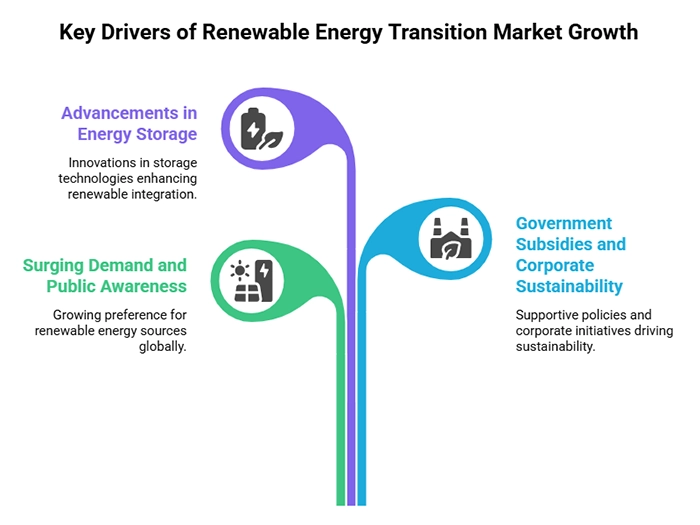
Surging Demand and Public Awareness: The transition towards cleaner energy is no longer just an industry trend, but a global necessity. According to industry data, renewable energy sources successfully accounted for approximately 29% of global electricity generation in 2023. Heightened public awareness and widespread education regarding environmental benefits are essential drivers. In 2023, independent surveys indicated that over 70% of the population across various regions expressed a definitive preference for renewable energy sources over traditional fossil fuels. This consumer demand directly influences policy decisions and shifts purchasing behavior, propelling the market forward.
Government Subsidies and Corporate Sustainability: Supportive policies are pivotal to expanding sustainable infrastructure. Worldwide, governments are aggressively introducing measures such as tax credits, lucrative grants, feed-in tariffs, and strict renewable portfolio standards. Several countries launched new subsidy programs aimed at increasing wind and solar installations in 2023, significantly lowering the barrier to entry for clean energy projects. Concurrently, corporate sustainability initiatives are reshaping the industrial landscape.
Advancements in Energy Storage: A historical challenge for renewables has been intermittency, but rapid innovations in energy storage technologies are addressing this barrier. Significant improvements in lithium-ion and solid-state batteries have enhanced storage capabilities, allowing for reliable integration of variable renewable sources into existing centralized power grids.
Major Shifts and Industry Trends
A profound shift occurring within the renewable energy transition market is the growing emphasis on the decentralization of energy production. Empowering local communities to engage directly in energy generation enhances systemic resilience and drastically reduces reliance on highly centralized, vulnerable grids. This is frequently achieved through scalable deployments ranging from residential rooftop solar panels to vast community solar farms.
Additionally, overall financial commitment to the sector has reached historic highs. To maintain their competitive edge, industry stakeholders are heavily leveraging these investments to fund advanced research and development, innovative financing solutions, and strategic partnerships, shifting definitively away from fossil fuels.
Segmental Insights and Forecasts
The structural composition of the market is diversifying rapidly, with specific technologies and applications gaining exceptional traction.
By Energy Source:
- Solar Energy: Remaining the dominant force due to its massive scalability, solar energy is projected to achieve the highest valuation among energy sources.
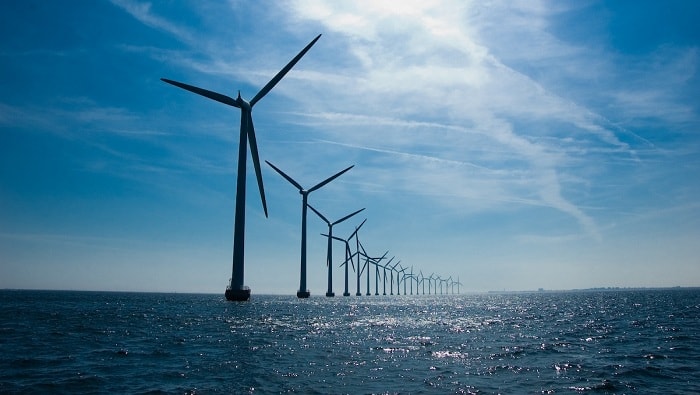
- Wind Energy: Driven by improved turbine efficiencies and favorable government policies, wind represents the fastest-growing segment.
- Hydropower & Biomass: While investment in hydropower has historically lagged slightly against net-zero requirements, the segment is still anticipated to grow strongly. Meanwhile, biomass is actively emerging as a viable alternative, especially in agricultural areas where it facilitates energy recovery and waste management.
By Technology:
- Photovoltaic vs. Wind Turbines: Photovoltaic technology naturally holds the largest market share owing to decreasing installation costs and extreme adaptability across commercial and residential sectors. Conversely, onshore wind turbines are recognized as the fastest-growing technology segment, characterized by larger, highly efficient designs and expansions into regions with optimal wind patterns.
By Application and End Use:
- Power Generation and Transportation: Power generation is the most dominant application as global infrastructure transitions away from fossil fuels. However, the transportation sector is emerging as incredibly fast-growing, heavily driven by the aggressive adoption of electric vehicles and sustainable logistics.
- Residential, Commercial, and Industrial: The residential segment historically controls the largest end-use share due to widespread consumer adoption of solar and home storage solutions. However, the commercial sector is swiftly accelerating as businesses actively work to minimize operational costs and improve their carbon footprint. Additionally, the heavy industrial end-use segment is projected to achieve a massive valuation by 2035.
Regional Market Dynamics
The global trajectory highlights a varied, yet universally positive, adoption curve across different geographies.
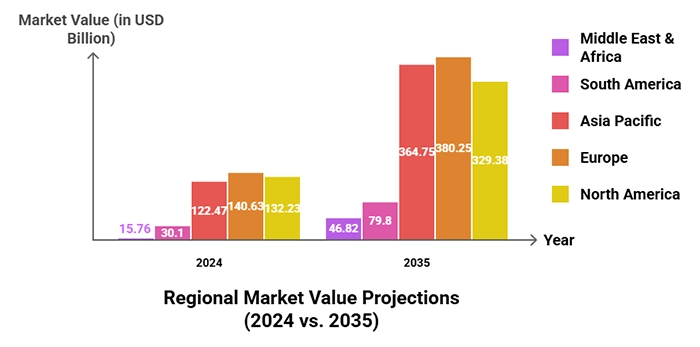
- North America: Valued at 132.23 USD Billion in 2024, North America’s market is primarily propelled by highly supportive government policies and the growing consumer demand for decentralized power. It is expected to scale up to 329.38 USD Billion by 2035.
- Europe: Displaying a deeply entrenched commitment to sustainability, Europe was valued at 140.63 USD Billion in 2024 and is forecast to expand to 380.25 USD Billion over the forecast period.
- Asia Pacific: Emerging as the outright fastest-growing region globally, the massive surge in urbanization and exploding energy demands are driving the Asia Pacific market. Starting from 122.47 USD Billion in 2024, it is aggressively projected to reach 364.75 USD Billion by 2035.
- South America and Middle East & Africa (MEA): While presenting a smaller current market share, these regions are critical for long-term growth as they seek deep diversification from traditional fossil fuels. South America is projected to grow from 30.1 USD Billion in 2024 to 79.8 USD Billion in 2035, while the MEA region is expected to climb from 15.76 USD Billion to 46.82 USD Billion by 2035.
Future Outlook to 2035
Future market opportunities firmly lie in the deeper development of integrated energy management software solutions, which will natively optimize the flow of variable green energy. The rapid expansion of large-scale renewable energy storage systems for major commercial and industrial use will fundamentally guarantee grid reliability. Finally, massive ongoing investments in commercial green hydrogen production facilities for industrial applications are slated to provide the final critical puzzle piece to achieving fully integrated, net-zero global economies over the next decade.
Moving forward, the landscape of the global energy grid is permanently altering. By 2035, Power Gen Advancement anticipates the sector to have an incredibly robust growth, characterized by extensive technological innovation and high financial liquidity.