




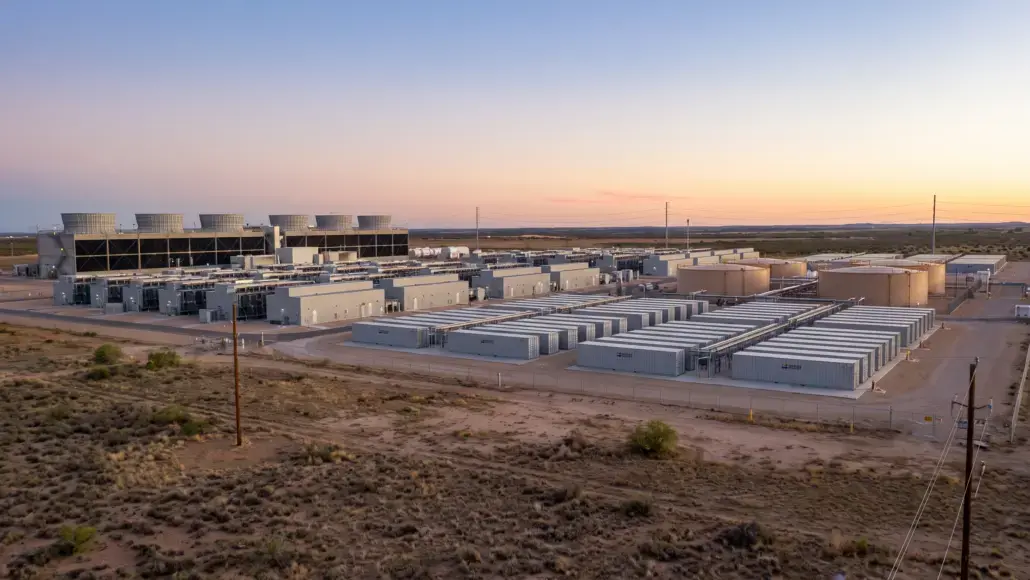
The explosion of artificial intelligence has initiated a new Gold Rush in the technology sector, but this digital revolution is built upon a foundation of massive physical power consumption. As large language models and high-performance computing clusters become the primary drivers of corporate growth, the demand for data center capacity has skyrocketed. However, these facilities are no longer the simple server farms of a decade ago; they are industrial-scale energy consumers that require 24/7, high-density, and ultra-reliable electricity. To meet these demands while adhering to ambitious corporate sustainability mandates, PowerGen Advancement notes that the tech industry is turning to long-duration energy storage for AI data centers as a critical component of their infrastructure strategy.
The Unprecedented Power Demand of the AI Era
Artificial intelligence, particularly the training and deployment of deep learning models, is significantly more energy-intensive than traditional cloud computing. A single AI query can consume ten times the electricity of a standard Google search. As companies like Microsoft, Google, and Amazon race to build the infrastructure for the AI age, they are facing a bottleneck: the available power grid capacity. In many regions, the local utility cannot provide the hundreds of megawatts required for a new AI campus without years of grid upgrades. Furthermore, these companies have pledged to operate on 100% renewable energy. The fundamental mismatch between the always-on nature of AI and the variable nature of wind and solar has created an urgent need for storage solutions that can bridge the gap for more than just a few hours.
Moving Beyond Lead-Acid and Diesel Backups
Traditionally, data centers have relied on lead-acid batteries for short-term Uninterruptible Power Supply (UPS) and diesel generators for long-term outages. This model is increasingly problematic for the AI era. Diesel generators are carbon-intensive, noisy, and subject to strict local air quality regulations. Moreover, they represent stranded capital—expensive equipment that sits idle 99% of the time. Long-duration energy storage for AI data centers offers a superior alternative. Technologies like flow batteries or thermal storage can perform the dual role of providing backup power and actively participating in the energy market. By storing energy when it is cheap and abundant and discharging it when the grid is stressed, LDES transforms a passive insurance policy into an active, revenue-generating asset.
24/7 Carbon-Free Energy: The New Gold Standard
The largest tech companies are moving beyond renewable matching (where they buy enough green energy annually to match their consumption) toward 24/7 Carbon-Free Energy (CFE). This means that every kilowatt-hour of electricity consumed at any given hour must be sourced from a carbon-free generator. Achieving this without fossil fuels is impossible without long-duration energy storage for AI data centers. LDES allows data center operators to time-shift their renewable energy purchases. If a wind farm produces surplus energy at 2:00 AM, the LDES system can store it and power the AI racks at 2:00 PM the next day when the wind has died down but the computing load is at its peak. This capability is essential for companies aiming to decouple their growth from their carbon footprint.
Grid Stability and Good Neighbor Policies
Data centers are often viewed with skepticism by local communities due to their enormous strain on the local power grid. In some cases, data center demand has threatened to cause brownouts for residential customers. Integrating long-duration energy storage for AI data centers allows these facilities to become grid-positive. During periods of extreme heat or cold, when the public grid is at its breaking point, a data center equipped with LDES can island itself—disconnecting from the grid and running on its stored energy—or even export power back to the grid to support the community. This flexibility not only improves local grid stability but also helps data center developers secure permits in power-constrained regions by proving they will not be a burden on existing infrastructure.
Reducing Total Cost of Ownership (TCO)
While the initial investment in LDES might be higher than traditional systems, the long-term economics for AI data centers are compelling. AI workloads are often elastic—meaning some non-critical training tasks can be scheduled when power is cheapest. By combining long-duration energy storage for AI data centers with intelligent load management, operators can significantly reduce their electricity bills. They can avoid high demand charges from utilities and profit from peak shaving and arbitrage. Furthermore, many LDES technologies have lifespans of 20 to 30 years with minimal maintenance, whereas traditional lead-acid batteries must be replaced every few years, leading to higher lifecycle costs and environmental disposal issues.
Supporting High-Density Liquid Cooling and Thermal Management
AI data centers generate immense amounts of heat, necessitating advanced cooling systems. This creates another opportunity for long-duration storage. Thermal storage allows a data center to create ice or chilled water during off-peak hours and use it to cool the servers during the heat of the day. This reduces the peak electrical load required for air conditioning, freeing up more of the data center’s power budget for the actual AI chips. By integrating electrical LDES with thermal LDES, data center architects can create a highly efficient, closed-loop energy system that maximizes every watt of renewable power.
Future-Proofing against Climate and Geopolitical Risks
The resilience provided by LDES is also a strategic hedge against a volatile world. As climate change increases the frequency of extreme weather events that can disable regional power grids, the ability of an AI data center to operate autonomously for 24 or 48 hours is a major competitive advantage. For global corporations whose entire business model now relies on the availability of their AI models, even a few hours of downtime can cost millions of dollars. Long-duration energy storage for AI data centers provides the peace of mind that their digital infrastructure is immune to the frailties of the legacy power grid and the uncertainties of global fuel supply chains.
The synergy between artificial intelligence and long-duration storage represents a pivotal moment in industrial engineering. One provides the intelligence to optimize our world, while the other provides the physical stability to keep that intelligence running. As the AI sector continues its rapid expansion, PowerGen Advancement believes that the adoption of long-duration energy storage for AI data centers will likely become the standard by which all sustainable and resilient digital infrastructure is measured.