








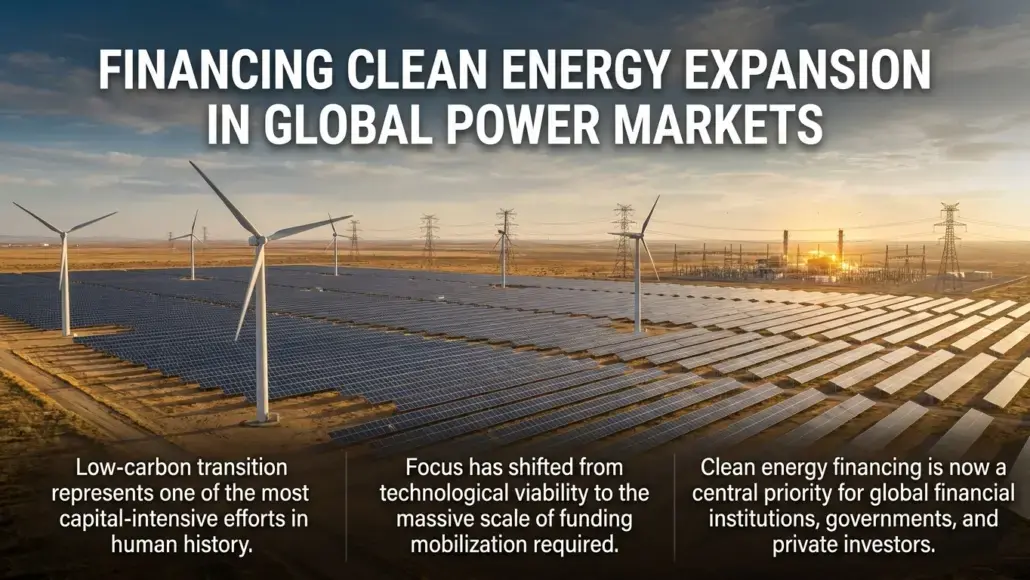
The global shift toward a low carbon energy system is one of the most capital intensive undertakings in human history. As nations race to meet net zero targets, the focus has shifted from technological viability to the massive scale of mobilization required to fund the energy transition. Financing clean energy expansion is no longer just a concern for environmentalists but a central priority for global financial institutions, governments, and private investors. The scale of the challenge is reflected in the trillions of dollars needed annually to build new renewable capacity, upgrade aging power grids, and develop the storage solutions necessary for a modern economy.
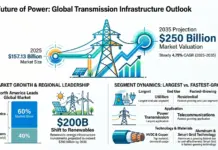
According to the latest industry analysis, global energy transition investment reached a record 2.3 trillion dollars in 2025, an increase of 8 percent from the previous year. While this growth is encouraging, it remains below the levels required to stay on a net zero pathway. The International Energy Agency estimates that annual investment in clean energy must more than double by 2030, with a significant portion of this growth needing to occur in emerging and developing economies. Achieving this requires a fundamental shift in how risks are assessed, how capital is allocated, and how public and private sectors collaborate to de risk long term infrastructure projects.
The Evolving Landscape of Energy Investment Models
Traditional energy financing was dominated by large, centralized fossil fuel projects with predictable cash flows and established risk profiles. Financing clean energy requires a more nuanced and flexible approach, as renewable projects often involve higher up front capital costs but lower operating expenses. This has led to the rise of new investment models, such as green bonds, sustainability linked loans, and power purchase agreements (PPAs). These instruments allow developers to secure long term revenue streams, which are essential for attracting low cost debt and equity capital. The corporate PPA market, in particular, has seen explosive growth as large companies seek to hedge against energy price volatility and meet their own sustainability goals.
Institutional investors, including pension funds and insurance companies, are increasingly looking to clean energy as a stable, long term asset class. The predictable nature of renewable energy generation, once the initial construction risk is managed, fits well with the liability matching requirements of these investors. However, the lack of a standardized pipeline of bankable projects remains a significant bottleneck. To address this, many governments are setting up green investment banks or providing sovereign guarantees to reduce the cost of capital for developers. These public interventions are crucial for attracting the private investment necessary to reach the required scale and for building investor confidence in new technologies.
De-Risking Investments in Emerging and Developing Markets
One of the most significant challenges in financing clean energy is the disparity in capital flows between developed and developing nations. While investment is booming in China, Europe, and North America, many emerging economies still face a high cost of capital due to perceived political, regulatory, and currency risks. These factors can make a renewable project in a developing country significantly more expensive than an identical project in a developed market, even if the solar or wind resource is superior. Bridging this gap is essential for ensuring a globally equitable energy transition and for meeting universal energy access goals.
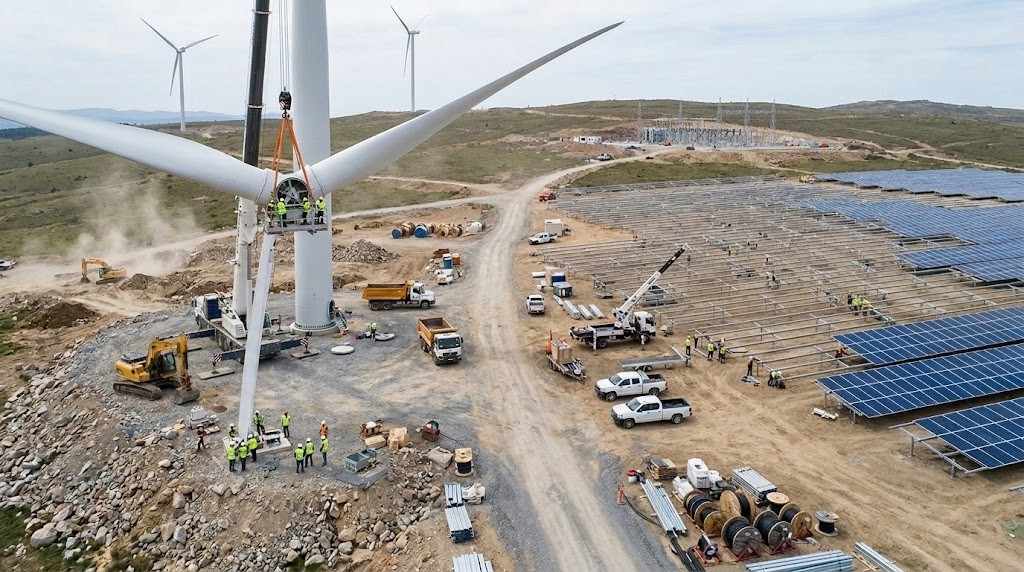
Multilateral development banks and international financial institutions are playing a key role in de risking these markets and providing the necessary technical assistance. By providing blended finance, which uses public funds to absorb first loss risks or provide low interest loans, they can crowd in private investors who would otherwise be hesitant to enter. Insurance products that cover political risk and currency hedging mechanisms are also vital tools for making emerging market projects more attractive to international capital. The success of these initiatives will determine whether the global clean energy expansion can be truly global or if it will leave billions of people behind in carbon intensive energy systems.
The Role of Policy and Regulation in Capital Allocation
Government policy remains the most powerful driver of energy investment, providing the rules and incentives that shape the market. Clear and stable regulatory frameworks, such as carbon pricing, renewable energy targets, and feed in tariffs, provide the long term visibility that investors need to commit capital. Conversely, policy uncertainty or the sudden withdrawal of subsidies can lead to a capital flight and stall project development, as seen in several markets over the past decade. The move toward competitive auctions for renewable capacity has successfully driven down costs, but it also places pressure on developers to find the most efficient financing structures to remain competitive.
Tax incentives and subsidies are also being used to direct capital toward specific technologies and to build domestic industries. In the United States, the Inflation Reduction Act has provided a massive boost to the clean energy sector through long term tax credits for wind, solar, and battery storage. Similar initiatives are being considered or implemented in other regions, as nations compete to attract the jobs and investment associated with the green economy. However, as the industry matures, the focus is shifting away from direct subsidies toward market based mechanisms that reflect the true cost of carbon and the value of system stability. The integration of environmental goals into broader economic policy is a key requirement for long term success.
Expanding the Scope of Sustainable Investment Portfolios
As the energy transition matures, the definition of clean energy investment is expanding to include a wider range of technologies and assets. While wind and solar remain the primary recipients of capital, there is growing interest in dispatchable renewables that can provide the necessary balancing services for a stable grid. For example, the unique properties of biomass as a storable and versatile fuel are attracting significant attention from investors looking to diversify their portfolios and support grid reliability. The successful integration of these assets into the wider energy system is critical, and the ongoing efforts in bioenergy integration in global sustainable power grids provide a clear example of how niche sectors are becoming mainstream investment opportunities.
Investment is also flowing into the broader supply chain, including the mining of critical minerals, the manufacturing of electrolyzers for hydrogen, and the development of advanced grid technologies. The resilience of these supply chains is becoming a key concern for investors and policymakers alike, as geopolitical tensions and trade barriers threaten to disrupt the flow of essential materials. Ensuring that capital is allocated not just to the power plants themselves but to the entire ecosystem that supports them is vital for the long term success of the clean energy expansion. This holistic approach to investment is necessary to address the technical and geopolitical risks of the transition.
The Impact of ESG Standards and Disclosure
The rise of ESG (Environmental, Social, and Governance) reporting standards is providing investors with more transparent and comparable data, helping to reduce greenwashing and ensure that capital is directed toward truly sustainable projects. Many large financial institutions have committed to net zero portfolios, which is driving a shift in capital away from fossil fuels and toward clean energy. Standardized disclosure requirements are helping to make these commitments more credible and are providing a clearer picture of the risks and opportunities associated with the energy transition.
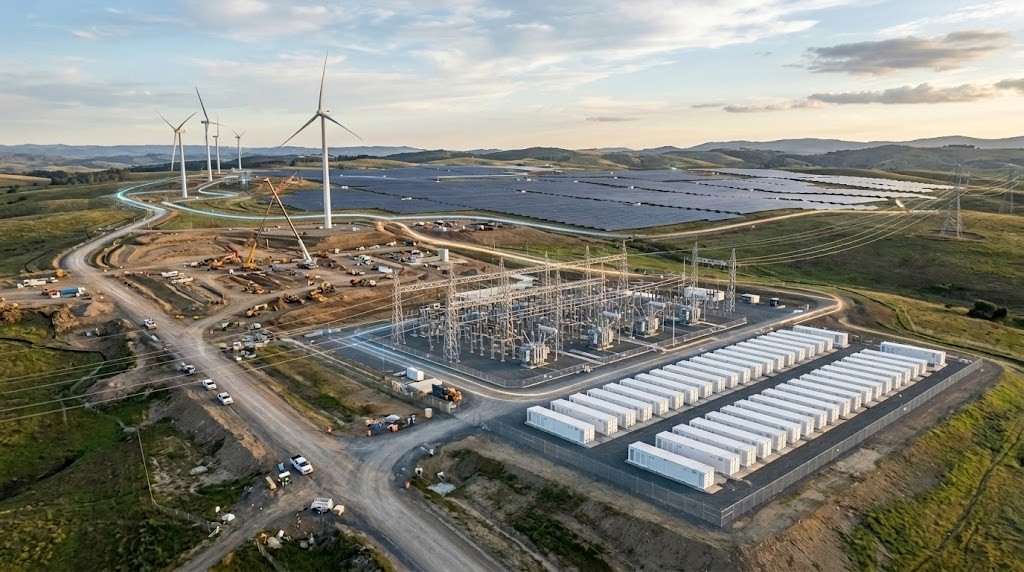
However, the proliferation of different ESG frameworks has also created confusion and administrative burden for companies. There is a growing push for a single, global standard for sustainability reporting to improve transparency and reduce costs. The development of these standards is a key requirement for the efficient functioning of the green finance market. As investors become more sophisticated, they are looking beyond simple carbon metrics to consider a wider range of social and environmental impacts, including labor practices and biodiversity. This broadening of scope is essential for ensuring that the clean energy transition is truly sustainable in every sense of the word.
Driving Capital Allocation for the Global Clean Energy Transition
The mobilization of private capital toward low-carbon infrastructure has significantly accelerated over the last two years, with major global asset managers and financial institutions launching targeted funds and strategic investments to finance the global clean energy transition. Morgan Stanley formed a strategic clean energy partnership with Torch Clean Energy. Additionally, KKR made its largest individual renewable sector investment to date by acquiring EDF Power Solutions’ North American operations for $4.2 billion.
The Future of Green Finance and Digital Market Trends
The future of financing clean energy will likely be characterized by increased digitalization and the use of data analytics to better assess and manage complex risks. FinTech solutions, such as blockchain based tracking of renewable energy certificates and automated credit assessments for small scale projects, are making it easier for capital to reach a wider range of developers and consumers. The rise of tokenization could also allow for the fractional ownership of renewable assets, opening up the sector to a broader pool of retail investors and providing new sources of liquidity.
Looking ahead, the integration of energy and financial markets will continue to deepen as electricity becomes the primary energy carrier of the modern economy. The ability to trade and hedge energy related risks will become as important as the ability to finance the physical infrastructure. The development of deep and liquid markets for green commodities, from carbon credits to green hydrogen, will provide the signals necessary for efficient capital allocation. While the road to a fully funded energy transition is long and complex, the progress made in recent years demonstrates that the global financial system is beginning to rise to the challenge.
References
- International Energy Agency
- BloombergNEF
- UNCTAD
- World Bank
- U.S. Department of Energy
- Morgan Stanley
- KKR