







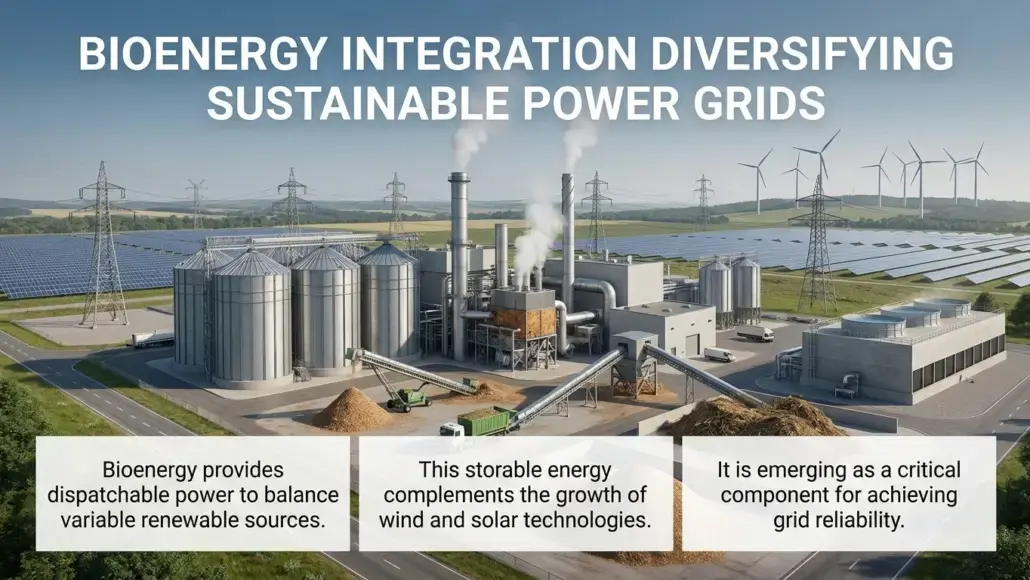
The pursuit of a net zero energy system requires a diverse portfolio of renewable technologies that can provide both bulk energy and system reliability. While wind and solar power have seen unprecedented growth, their variable nature introduces significant challenges for grid stability that must be addressed through dispatchable renewable sources. Bioenergy integration is emerging as a critical component of this effort, offering a versatile and storable energy source that can complement the intermittency of other renewables. By utilizing organic matter from agricultural, forestry, and waste streams, bioenergy provides a reliable fuel for power generation, heating, and industrial processes, while also supporting the development of a circular economy.
According to data from the International Renewable Energy Agency, bioenergy accounted for a significant portion of the total renewable energy consumption globally by the end of 2023. As sustainable power grids evolve, PowerGen Advancement observes that the role of bioenergy is expanding beyond simple combustion to include sophisticated bioenergy with carbon capture and storage (BECCS) systems. These technologies not only generate renewable electricity but also have the potential to deliver negative emissions, making them a unique and highly valuable asset in the fight against climate change. The strategic deployment of bioenergy is therefore essential for achieving a balanced and resilient energy mix that can withstand the complex demands of a modern, electrified economy.
The Role of Bioenergy in Grid Balancing and Stability
One of the primary advantages of bioenergy integration is its ability to act as a dispatchable resource that can be deployed exactly when needed. Unlike solar or wind, which depend on weather conditions and time of day, bioenergy plants can be ramped up or down to meet fluctuations in demand or to fill gaps in supply from other renewables. This makes bioenergy an ideal partner for variable generation, providing the firm capacity needed to ensure grid frequency and voltage stability. In many regions, bioenergy is already being used to replace aging coal and gas plants, providing a low carbon alternative that can utilize existing grid infrastructure, transmission lines, and workforce expertise.
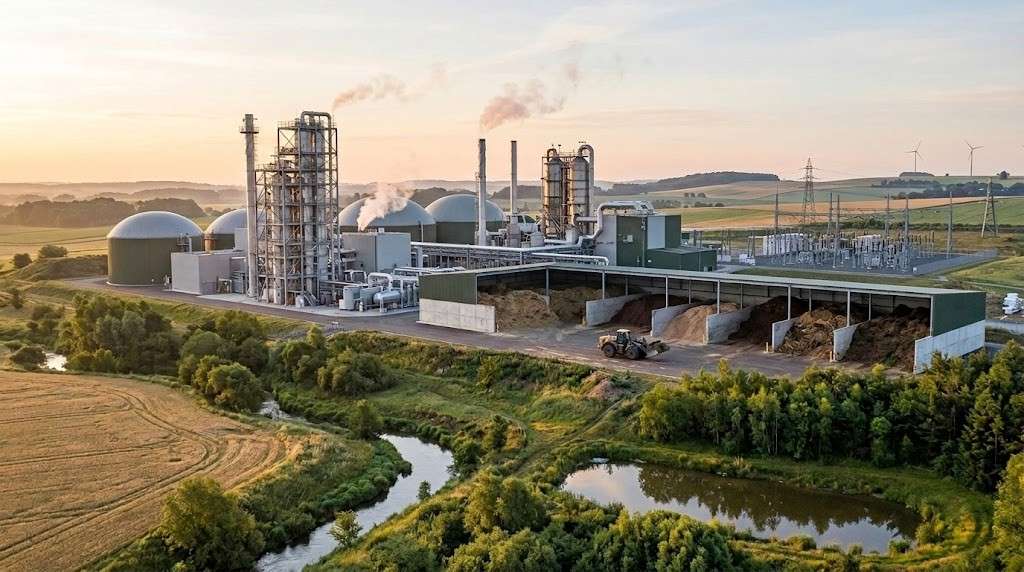
Furthermore, bioenergy systems can provide essential ancillary services to the grid, such as inertia and reactive power support. These services are traditionally provided by large spinning generators in fossil fuel plants and are becoming increasingly scarce as those plants are retired in favor of inverter based resources. By maintaining a portion of the grid’s capacity in the form of bioenergy fueled thermal plants, operators can preserve the mechanical strength of the system while still moving toward deep decarbonization. This dual role of energy provider and stability anchor is a key driver for the continued expansion of bioenergy in global power markets, particularly in regions with high levels of wind and solar penetration.
Sustainable Feedstock Management and Ethical Supply Chains
The success of bioenergy integration depends heavily on the sustainability and ethics of its feedstock supply chain. To be truly beneficial for the environment, bioenergy must rely on organic materials that do not compete with food production, do not lead to deforestation, and do not negatively impact biodiversity. Modern bioenergy projects focus on using agricultural residues, forest thinning, and organic municipal waste as their primary sources. This approach not only reduces greenhouse gas emissions but also provides a sustainable solution for waste management, turning a liability into a valuable energy resource. The development of robust and transparent supply chains is essential to ensure that feedstock is sourced responsibly and transported efficiently to power plants.
International standards and certification schemes are playing an increasingly important role in verifying the sustainability of bioenergy and building public trust. These frameworks ensure that the lifecycle emissions of bioenergy are significantly lower than those of fossil fuels and that the social and environmental impacts of production are minimized. In the European Union, the Renewable Energy Directive sets strict criteria for bioenergy sustainability, which are being adopted and adapted by other regions around the world. As the industry scales up, the focus on traceability and transparency will continue to intensify, driven by both regulatory requirements and investor expectations. Ensuring that the bioenergy sector grows in harmony with the natural environment is a non negotiable requirement for its long term viability.
Technological Innovations and Advanced Bioenergy Systems
The field of bioenergy is witnessing significant technological advancements that are improving the efficiency and flexibility of power generation. Modern gasification technologies allow for the conversion of diverse biomass feedstocks into high quality syngas, which can then be used in high efficiency turbines or fuel cells. This process is more efficient than direct combustion and allows for better control over emissions, including the capture of nitrogen oxides and sulfur compounds. Additionally, the development of anaerobic digestion systems for biogas production is providing a valuable source of renewable gas that can be injected into existing networks or used for localized power generation.
The integration of bioenergy with other energy vectors is also a growing trend that enhances the overall system efficiency. For example, bioenergy can be used to produce green hydrogen through steam reforming of biogas or as a storable carbon source for synthetic fuels. These power to x applications allow for the long term storage of renewable energy in chemical form, which can then be used in sectors that are difficult to electrify, such as heavy transport, shipping, and high temperature industrial processes. The complexity of managing these integrated and multi vector systems is significant, requiring advanced monitoring and optimization tools. To manage the complex flow of energy and data in these environments, the adoption of digitalization trends in modern renewable power grids is becoming a prerequisite for operational success and financial viability.
Bioenergy with Carbon Capture and Storage
One of the most promising developments in the sector is the integration of bioenergy with carbon capture and storage (BECCS). Because plants absorb carbon dioxide from the atmosphere as they grow, capturing the carbon released during energy production and storing it underground results in a net removal of CO2 from the atmosphere. The Intergovernmental Panel on Climate Change has identified BECCS as a critical technology for meeting the 1.5 degree target, as it can compensate for emissions in hard to abate sectors. Several large scale BECCS pilot projects are currently underway, providing valuable data on the costs and technical requirements of this approach.
However, the widespread deployment of BECCS faces significant challenges, including the high capital cost of capture equipment and the need for secure geological storage sites. There are also concerns about the energy penalty associated with carbon capture, which can reduce the net power output of a plant. Overcoming these hurdles requires targeted research and development, as well as policy frameworks that provide a financial incentive for carbon removal. As the cost of carbon increases and the urgency of the climate crisis grows, BECCS is likely to become a central pillar of the global bioenergy strategy, transforming power plants into carbon sinks.
Economic and Environmental Implications of Bioenergy
Bioenergy integration offers significant economic benefits beyond its contribution to the energy transition. The biomass supply chain creates jobs in rural areas, supporting local economies through the collection, processing, and transport of feedstock. It also provides a new and stable revenue stream for farmers and foresters, who can sell their residues for energy production. From an environmental perspective, bioenergy helps to reduce reliance on landfills and reduces the emissions associated with the decomposition of organic waste. When combined with carbon capture technology, bioenergy becomes a powerful tool for removing existing carbon dioxide from the atmosphere, providing a service that few other technologies can match.
However, the capital costs for advanced bioenergy facilities, particularly those with BECCS, remain high compared to conventional wind and solar projects. This necessitates long term policy support and carbon pricing mechanisms that recognize the value of dispatchable, low carbon power and negative emissions. In many countries, feed in tariffs and renewable energy certificates have been successful in de risking investments in bioenergy. As the technology matures and economies of scale are achieved through global deployment, the cost of bioenergy is expected to decline, further enhancing its competitiveness in global power markets. The ability to provide multiple benefits, from energy to waste management to carbon removal, makes a strong case for its continued support.
Advancing Bioenergy Integration and Carbon Capture
The strategic integration of bioenergy and advanced carbon capture technologies is being actively championed by major global energy and utility corporations. Ørsted has significantly advanced its bioenergy with carbon capture and storage (BECCS) capabilities by installing key components for its Kalundborg CO2 Hub, which will capture biogenic emissions directly from its sustainable biomass power units. Similarly, SLB recently powered up its first modular carbon capture plant tailored for sustainable waste-to-energy facilities, reinforcing the dual role of bioenergy and industrial carbon removal.
In the municipal sector, Veolia recently partnered with the French Development Agency (AFD) to accelerate global bioenergy innovations and decarbonize district heating systems. To maximize organic waste value, EnviTec Biogas expanded the renewable natural gas market by commissioning its largest U.S.-based anaerobic digestion plant in partnership with SJI Renewable Energy. Additionally, in emerging markets, Petronet LNG made a massive push into sustainable feedstock management by approving a joint venture to develop 10 new Compressed Biogas (CBG) plants, turning agricultural and municipal waste into a dispatchable energy resource.
Regional Perspectives and Global Future
The development of bioenergy varies significantly by region, reflecting differences in resource availability, industrial structure, and policy priorities. Brazil is a global leader in bioenergy, utilizing its vast sugarcane industry to produce both biofuels and electricity in an integrated manner. The country’s flex fuel vehicles and biomass power plants are a testament to the potential of an integrated bioeconomy to drive growth and sustainability. In Europe, the Nordic countries have successfully integrated bioenergy into their district heating and power systems, using forest residues to achieve high levels of energy independence and low carbon footprints.
In emerging economies, bioenergy is often viewed as a key tool for energy access and rural development. Small scale biogas digesters can provide clean cooking fuel and electricity to remote communities, reducing their reliance on expensive and polluting fuels like kerosene and charcoal. These projects often receive support from international development agencies and social impact investors, who recognize the broad benefits of sustainable bioenergy for both people and the planet. As global climate goals become more urgent, PowerGen Advancement believes that the sharing of best practices and technology between regions will be essential for the rapid scaling of bioenergy integration and the development of a global bioenergy market.
References
- International Energy Agency
- World Bank
- IPCC
- International Renewable Energy Agency
- European Commission
- Ørsted
- SLB
- Veolia
- Petronet LNG