The rapid integration of intermittent renewable energy sources into localized power networks is fundamentally altering the fault characteristics and stability requirements of the modern grid. Unlike traditional power systems, which are dominated by synchronous generators with predictable fault currents, microgrids with high levels of inverter-based resources (IBRs) exhibit highly variable and complex behavior during electrical disturbances. The implementation of adaptive protection schemes represents a critical evolution in electrical engineering, providing a dynamic and intelligent framework for ensuring grid safety and reliability. PowerGen Advancement notes that by automatically adjusting relay settings and protection logic in response to changes in the microgrid’s configuration and generation profile, these schemes are enabling the safe and efficient operation of the next generation of decentralized energy systems.
Limitations of Legacy Overcurrent Protection and the Adaptive Solution
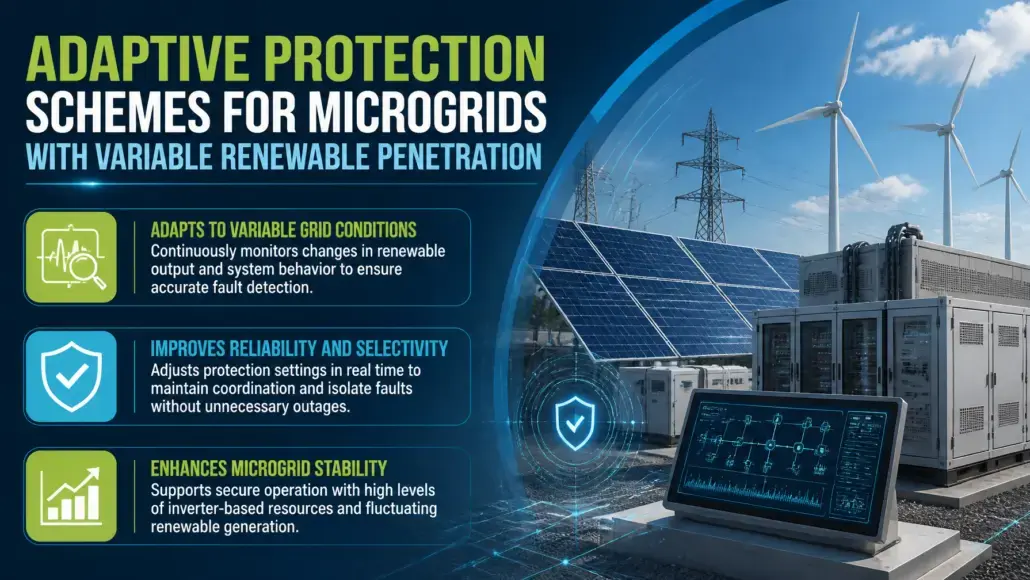
Traditional protection systems rely on fixed settings that are designed for a specific grid topology and a maximum fault current. However, in a microgrid with variable renewable penetration, the available fault current can change significantly depending on whether the system is connected to the main grid or operating in islanded mode. Inverter-based resources, such as solar PV and battery storage, have limited current injection capabilities, often failing to trigger conventional overcurrent relays. Adaptive protection schemes address this challenge by utilizing real-time monitoring and advanced communication to update the protection parameters as the grid state evolves. This ensures that faults are quickly and accurately detected, even when the fault current is low, and that the affected section of the grid is isolated before it can cause widespread damage or safety hazards.
System Architecture: Protection Control Units and IEC 61850 GOOSE
The technical core of an adaptive scheme lies in its Protection Control Unit (PCU), which acts as a local coordinator for all the relays in the microgrid. The PCU continuously receives data on the status of every generation source and every breaker, using this information to calculate the current grid topology. It then uses pre-programmed logic or advanced optimization algorithms to determine the optimal settings for every relay and sends these updates via a high-speed communication network. This process happens in a matter of milliseconds, ensuring that the protection is always in sync with the physical state of the grid. The use of Goose (Generic Object Oriented Substation Event) messaging within the IEC 61850 framework is a key technology for achieving this high-speed coordination.
AI and Machine Learning in Fault Classification
Furthermore, the integration of machine learning into fault classification is a major trend. Traditional relays use simple mathematical thresholds to identify a fault, but these can be fooled by the complex electrical noise generated by inverters. By training deep learning models on thousands of real-world and simulated fault signatures, engineers can create a more robust and accurate detection framework. These models can distinguish between a genuine fault and a temporary disturbance, such as a motor starting or a cloud passing over a solar farm. The synergy between high-speed communication and AI-driven detection is the hallmark of modern adaptive protection. This predictive and intelligent capability is essential for managing the high levels of variability that define the modern energy landscape.
Commercial Deployment: Advanced Relay Technologies
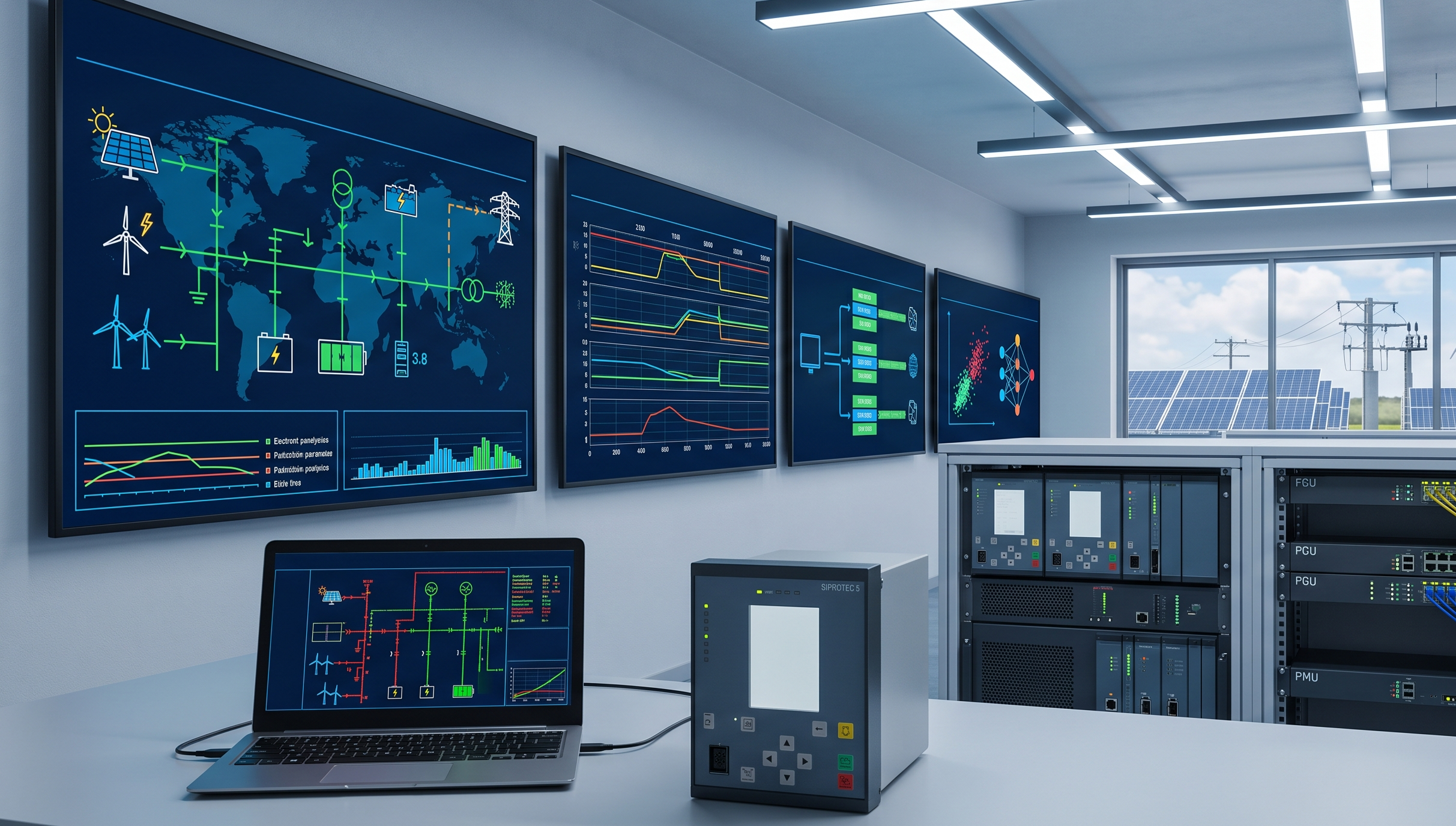
A significant milestone in the development of this technology was highlighted in early 2025, when Siemens Smart Infrastructure announced a major update to its SIPROTEC 5 protection relay family, focusing on the integration of enhanced adaptive protection capabilities for decentralized energy systems. The new software modules utilize AI-driven algorithms to continuously analyze the microgrid’s impedance and fault signature, providing a more precise and responsive protection framework for variable renewable microgrids. By automating the adjustment of relay settings and facilitating high-speed communication between devices, Siemens aims to help microgrid operators navigate the complexities of high-renewables integration while maintaining the highest standards of safety and operational excellence. This strategic move underscores the critical role that adaptive protection schemes play in the future of grid resilience and serves as a powerful indicator of the industry’s commitment to building a more intelligent and secure energy system.
Enabling Islanding Transitions and DERMS Coordination
The shift toward dynamic protection is intrinsically linked to the broader goals of energy resilience. As the grid becomes more decentralized, the role of distributed energy resource management systems optimizing utility edge control becomes vital for coordinating the response of protective devices.
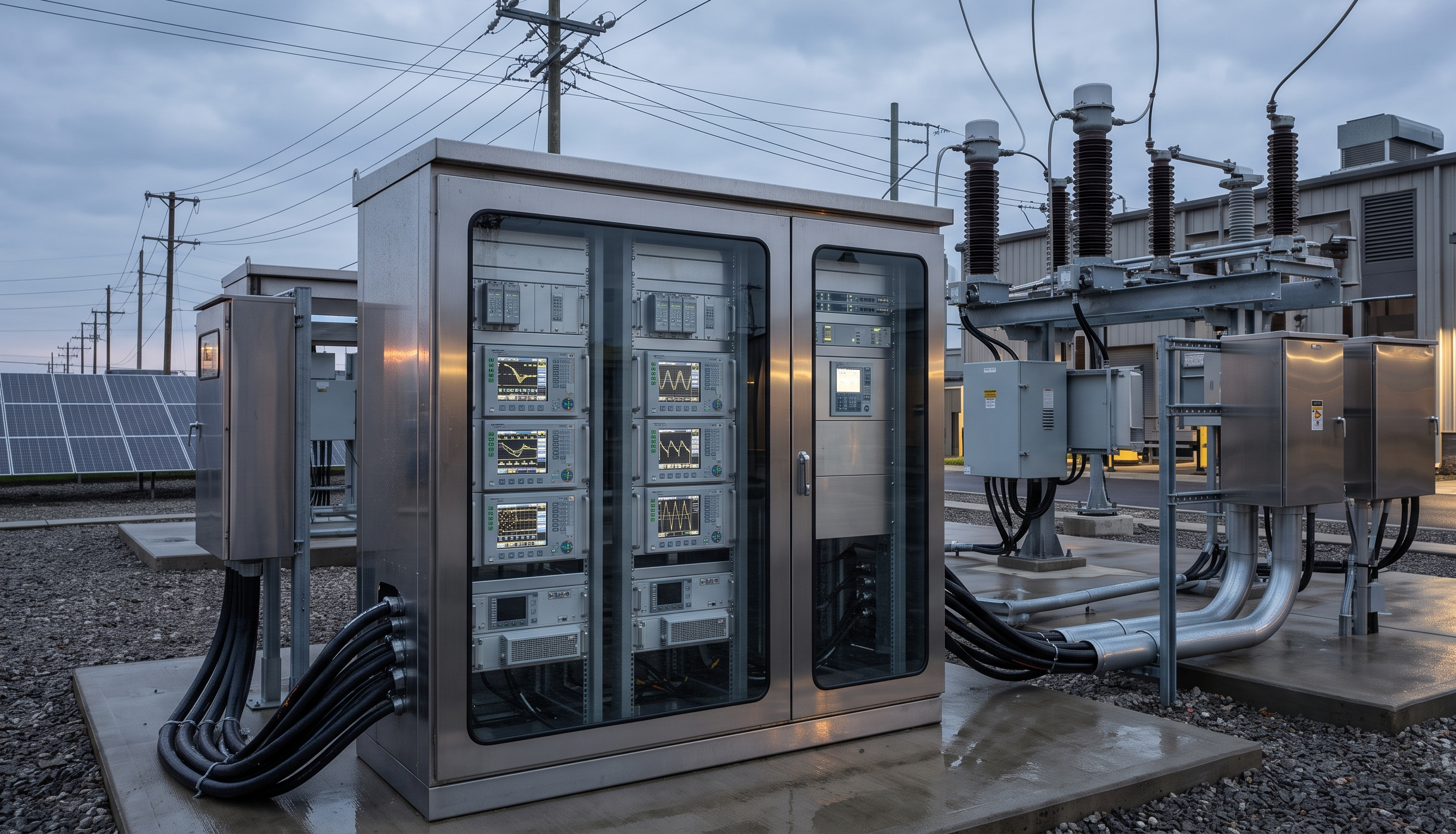
By providing a more reliable and responsive way to manage electrical faults, adaptive protection allows for the development of microgrids that can safely transition between grid-connected and islanded modes, providing continuous power to critical loads even during major disruptions. For instance, the
transition toward DERMS integration is bolstered by the robust safety foundation provided by adaptive protection, ensuring that the intelligence of the grid remains protected from the physical risks of short-circuits and overloads. Similarly, the integration of adaptive schemes with advanced energy storage and liquid cooling is essential for maintaining the overall integrity of the high-density power architecture. This systemic approach ensures that the localized power system is not just a collection of devices, but a highly coordinated and secure network that can protect itself from both internal and external threats.
Foundations of Self-Healing Automation and Real-Time Telemetry
Furthermore, the integration of adaptive protection is driving a revolution in the way engineers approach the design of self-healing grids. By providing the granular visibility and automated control needed to isolate faults and reroute power, these schemes are a vital component of the broader effort to minimize the duration and impact of power outages. The data generated by digital relays and Phasor Measurement Units (PMUs) is a vital resource for adaptive protection, providing the high-speed information needed to identify complex fault patterns and coordinate the response across the entire network. The expertise gained in managing these high-frequency datasets is a key component of the digital transformation in electrical engineering.
Synchrophasor Wide-Area Monitoring and Early Instability Detection
The role of Synchrophasor technology in adaptive protection is also a critical trend. PMUs can measure the voltage and current at thousands of times per second, providing a highly detailed and synchronized view of the grid’s electrical state. By analyzing the phase angle differences between different parts of the microgrid, adaptive schemes can detect the early signs of instability, such as power oscillations or frequency deviations, and take corrective action before a fault occurs. This wide-area monitoring capability is essential for maintaining the stability of a grid that is increasingly dependent on intermittent and decentralized resources. The synergy between synchrophasor data and adaptive control is a powerful model for the future of grid safety.
Centralized and Software-Defined Cloud Protection
Moreover, the integration of virtual protection functions within a centralized cloud platform is a burgeoning area of innovation. By moving the protection logic from the physical relay to a secure server, utilities can more easily update and manage their protection schemes across their entire footprint. This software-defined protection provides a new level of flexibility and scalability, allowing for the rapid deployment of new algorithms and the integration of new data sources. The technical challenge of ensuring the ultra-low latency and high reliability needed for cloud-based protection is significant, but the potential rewards for system-wide efficiency and safety are immense. The influence of these cloud-based technologies is transforming the way we think about the physical layers of the energy grid.
Engineering Challenges: Cybersecurity and Low-Latency Networks
The technical implementation of these systems also requires a high degree of coordination between protection engineers, control systems developers, and communication specialists. Building a protection framework that can handle the massive amounts of data generated by a dynamic microgrid—and that can operate with the extreme precision and speed needed for fault isolation—is a significant engineering challenge. Similarly, ensuring the cybersecurity and reliability of the communication networks that connect the protective devices is a key priority for the industry. The collaboration between these different sectors is essential for overcoming the technical hurdles and ensuring that the benefits of adaptive protection schemes reach the industrial edge as quickly and safely as possible.
Financial Justification and Asset Longevity
The economic case for the integration of these technologies is also becoming increasingly compelling. While the initial investment in digital relays and the supporting communication infrastructure can be higher than traditional protection, the long-term savings associated with reduced equipment damage, shorter outages, and more efficient grid operation are significant. Improving the safety and reliability of microgrids can also lower the overall cost of energy for consumers, making it a more attractive option for a wider range of customers. Moreover, the improved resilience of the grid can lead to lower insurance premiums and better access to capital for new energy projects. The financial benefits of adaptive protection are thus a major driver of their adoption across the global energy landscape.
Global Standardization: IEEE, CIGRE, and IEC Protocols
Moreover, the role of international standards in the growth of the adaptive protection market is critical. As these systems become more widespread, there is a need for clear guidelines on communication protocols, testing procedures, and protection coordination. Global organizations like the IEEE and the CIGRE are already working with industry partners to develop these standards, such as IEC 61850 for substation automation and grid communication, providing the regulatory certainty needed for large-scale investment. The transparency and accountability provided by these systems will be key to maintaining public trust in the energy industry’s efforts to develop new and innovative safety tools.
The Road Ahead: Autonomous Grids and Blockchain Coordination
Looking ahead, the commitment to adaptive protection schemes will be a defining characteristic of the microgrid landscape in the coming decades. The ongoing development of even more sophisticated AI-driven fault detection models, including those capable of self-learning and adapting to new grid topologies in real-time, will further improve the safety and reliability of the grid. The integration of blockchain for secure protection coordination and the expansion of global digital energy networks, supported by next-generation communication technologies, will enable a more flexible and secure energy market.
The implementation of robust regulatory frameworks, including international standards for data privacy and grid safety, will be essential for maintaining public trust and ensuring that the benefits of these technologies are shared fairly. By embracing these innovations, the energy community is not only enhancing the safety of the grid but also building a more resilient and equitable foundation for the future of energy. The fusion of digital technology and electrical protection, embodied in the rise of adaptive schemes, is the defining vision for the energy industry of the 21st century. The journey from a fixed relay to an adaptive system is a collective effort that will require the participation of stakeholders across the entire technology and energy sectors.
Bridging the Talent Gap: Training Power-Digital Engineers
Finally, the importance of fostering a new generation of power-digital specialists who are equally comfortable in the worlds of electrical protection and software engineering cannot be overstated. As adaptive schemes become the new standard for grid safety, the demand for these multi-disciplinary professionals will continue to grow. PowerGen Advancement believes that by investing in the education and training of these specialists, the energy community can ensure that the full potential of adaptive protection is realized. This investment in human capital is as important as the investment in the technology itself, as the long-term success of the smart grid depends on the expertise and dedication of the people who work at the heart of the safety system. The utility industry’s transition to a high-tech, secure future is a journey that will require the participation of everyone from the utility engineer to the industrial energy consumer.
References
-
Siemens Smart Infrastructure Updates SIPROTEC 5 with Enhanced Adaptive Protection for Microgrids
-
Adaptive Protection for Microgrids with High Variable Renewable Penetration
-
The Role of IBRs in Altering Grid Fault Characteristics
-
IEC 61850 and the Future of Substation Automation and Grid Communication
-
AI-Driven Fault Detection: The New Frontier in Electrical Protection