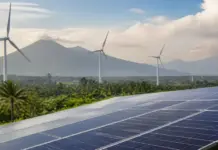






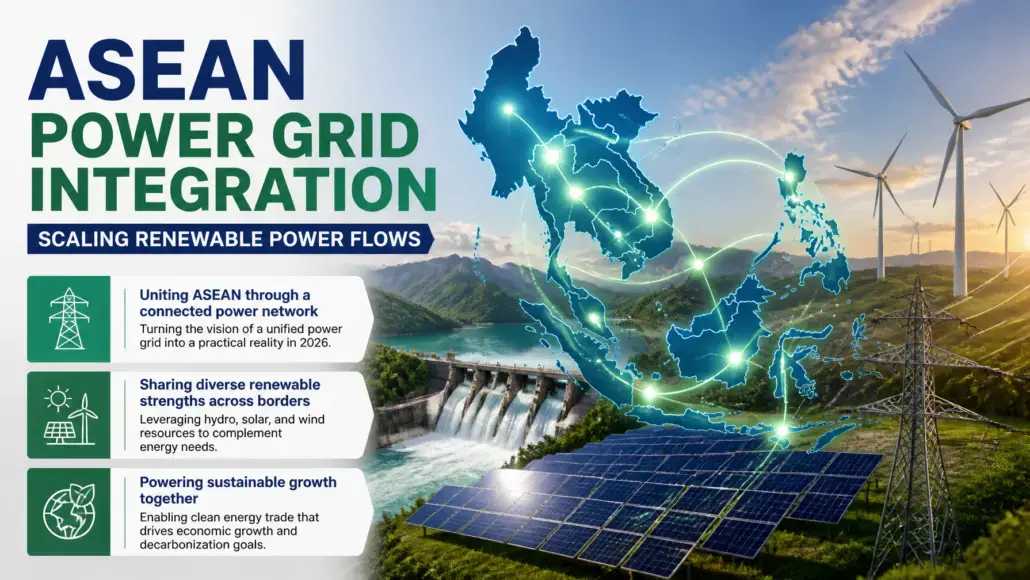
Southeast Asia is entering a new phase of energy cooperation as the region seeks to balance rapid economic growth with aggressive decarbonization targets. The vision of a unified power network, known as the ASEAN Power Grid, has shifted from a theoretical concept to a practical necessity in 2026. Member states are increasingly looking toward cross border trade as a way to share diverse renewable resources, ranging from hydroelectric power in Laos and Sarawak to solar and wind potential in Vietnam and Indonesia. This regional integration is not merely about energy trade but is a fundamental component of Southeast Asia’s industrial strategy for the next decade.
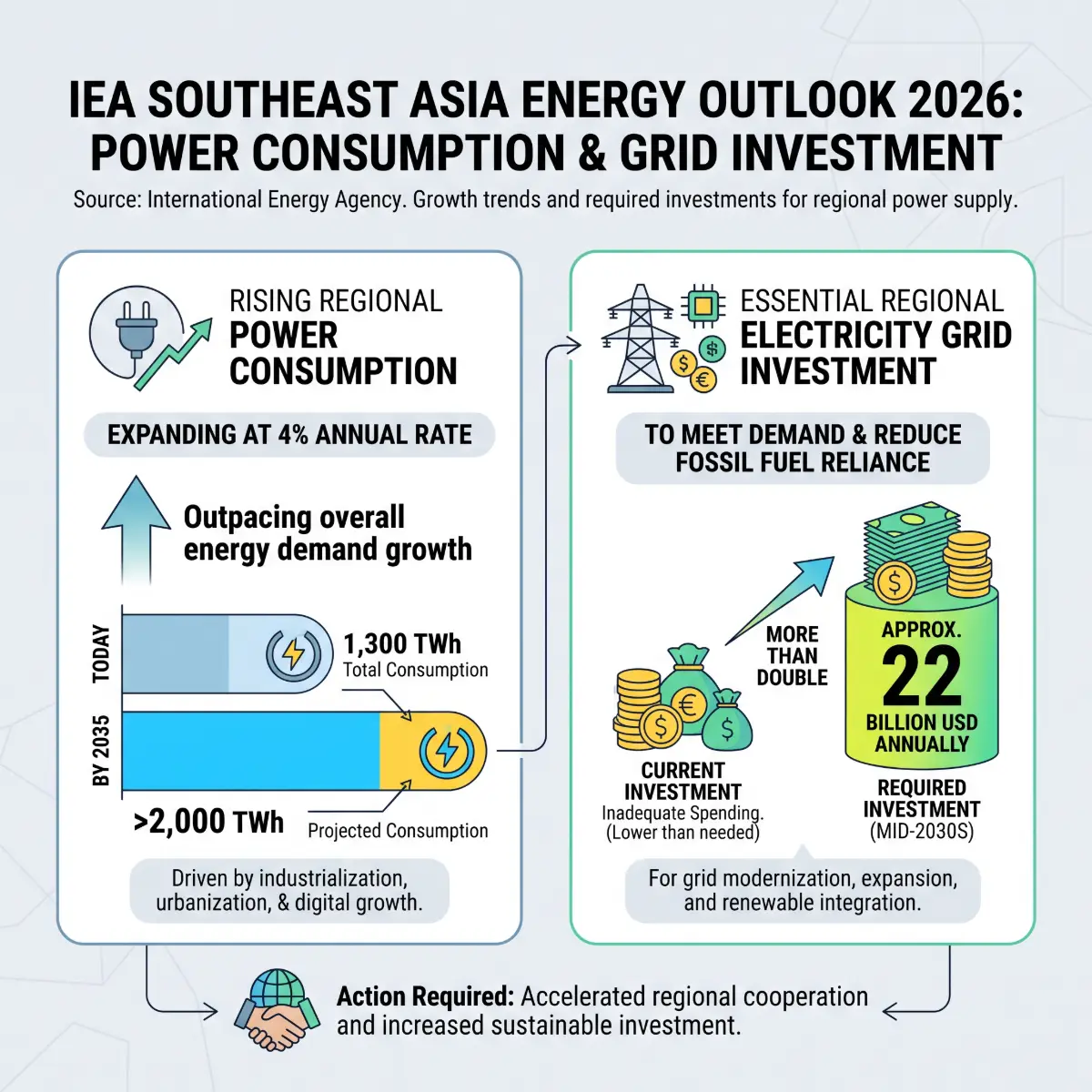
The primary driver for this integration is the massive surge in electricity demand across the region. According to the International Energy Agency Southeast Asia Energy Outlook, regional power consumption is expanding at an annual rate of 4 percent, outfacing the growth of overall energy demand. This growth is expected to push total consumption from 1,300 TWh to more than 2,000 TWh by 2035. To meet this demand without relying solely on fossil fuels, regional electricity grid investments must more than double to approximately 22 billion USD annually by the mid 2030s.
Progress in Multilateral Power Trading and Import Targets
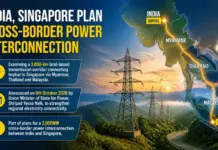
The most significant milestone in recent years is the expansion of the Lao PDR-Thailand-Malaysia-Singapore Power Integration Project. In early 2026, Keppel Corporation secured a two year extension for its importer license, successfully doubling the commercial trading capacity from 100 MW to 200 MW. This project serves as a successful proof of concept for multilateral wheeling, where electricity passes through multiple national grids to reach its final destination. It has demonstrated that the technical and commercial hurdles of regional trade can be overcome with sustained diplomatic and corporate effort.
Further developments in 2025 and 2026 include a range of ambitious cross border projects:
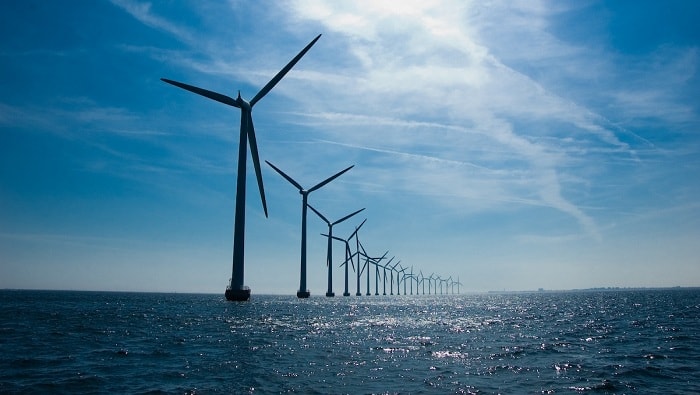
- Sembcorp Industries obtaining conditional approvals to import 1.2 GW of clean electricity from offshore wind farms in Vietnam via a new subsea interconnector.
- The granting of conditional licenses to TotalEnergies and RGE to develop 1 GW of solar power in the Riau Islands for export to Singapore, supported by massive battery storage.
- The advancement of the Australia-Asia PowerLink, which received Australian federal environmental clearance and Singaporean regulatory approval for a 4,300 kilometer subsea HVDC line delivering Australian solar power.
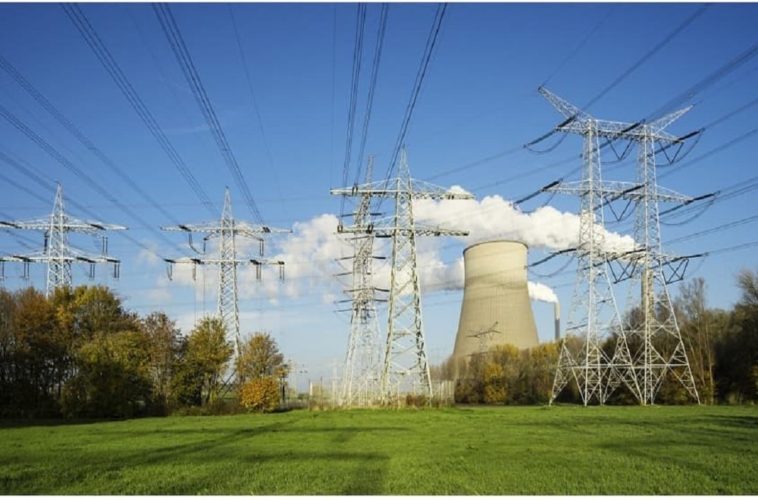
- Tenaga Nasional Berhad upgrading transmission infrastructure in Malaysia to facilitate increased cross border flows under the Grid of the Future initiative.
- The launch of the Energy Exchange Malaysia (ENEGEM) platform, which provides a transparent mechanism for cross border auctions of green electricity.
These projects demonstrate a fundamental shift away from simple bilateral agreements toward a more flexible and integrated regional market. The Singapore Energy Market Authority has responded to this momentum by increasing its 2035 low carbon import target to 6 GW, which will account for nearly 30 percent of the nation’s total electricity supply. This target is driving a surge in subsea cable investment and grid automation software across the region.
Overcoming Technical and Regulatory Barriers
Integrating variable renewable energy across diverse national grids presents significant technical challenges that require advanced engineering solutions. Differences in voltage levels, frequency control, and grid codes must be synchronized to prevent regional instability and ensure that power trade does not compromise local reliability. The adoption of 525 kV high voltage direct current technology is becoming the standard for long distance links, especially those crossing the complex maritime environments of the South China Sea. Managing these complex multi-country flows requires advanced digital tools, and AI grid management is optimizing cross-border power dispatch to ensure regional stability.
Infrastructure upgrades are also focusing on firming intermittent solar and wind sources to provide a reliable supply. The projects currently under development in the Riau Islands and Vietnam include multi gigawatt hour battery energy storage systems to ensure a steady supply of power regardless of weather conditions. These storage assets are essential for managing the variability of renewable generation and providing the ancillary services, such as frequency response and voltage support, needed to maintain grid health.
Regulatory harmonization remains a critical focus for the ASEAN Centre for Energy and the various national regulators. The implementation of the ASEAN Plan of Action for Energy Cooperation Phase II has set a target of 35 percent renewable share in installed power capacity by the end of 2025. As the region moves into the 2026 to 2030 framework, the focus is shifting toward establishing a regional grid operator and a standardized multilateral wheeling tariff. This would allow for more efficient use of the regional grid and reduce the transaction costs associated with cross border trade.
Economic and Environmental Impact of Grid Integration
The shift toward a regional power grid is expected to reduce the overall cost of electricity for participating nations by optimizing resource allocation. By sharing resources, countries can reduce their reliance on expensive imported liquefied natural gas and optimize the use of existing hydroelectric dams as a form of natural battery storage. The IEA estimates that clean energy spending in the region must reach 190 billion USD by 2035 to meet climate pledges, a significant increase from the under 30 billion USD spent currently.
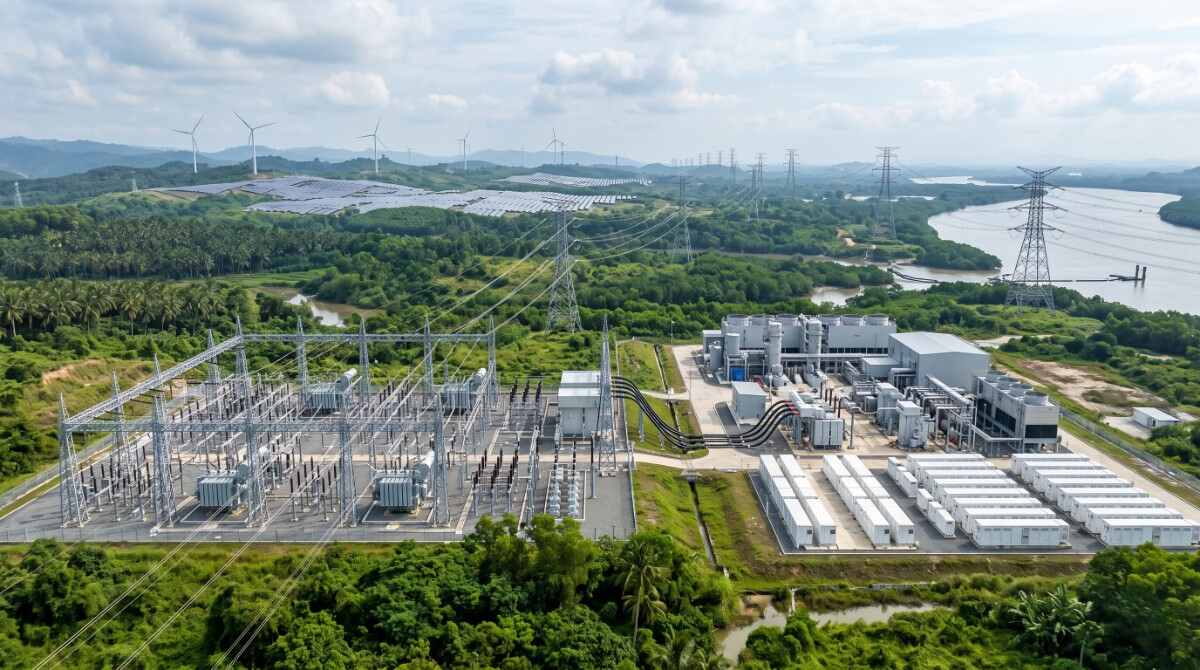
For investors and technology providers, the ASEAN region represents one of the most active markets for grid infrastructure globally. The demand for subsea cables, converter stations, and digital monitoring systems is growing rapidly. Companies like Hitachi Energy and Siemens Energy are playing a central role in providing the hardware needed for these international links, while software providers are focusing on the digital twins needed to manage them. As data center growth accelerates in hubs like Johor and Singapore, the pressure to secure reliable and clean cross border power will only intensify.
Beyond the immediate economic benefits, PowerGen Advancement notes that the ASEAN Power Grid provides a layer of regional energy security. By diversifying the sources of power, member states can reduce their vulnerability to global supply chain disruptions or price shocks in the fossil fuel market. This collective approach to energy security is a powerful incentive for continued cooperation, even as national interests sometimes diverge on other issues.
Future Outlook and Strategic Cooperation
As we look toward the 2030s, the development of the ASEAN Power Grid will likely include more complex multi terminal HVDC systems and the integration of hydrogen production hubs. The potential for the region to become a global leader in green energy trade is significant, provided that the current momentum in policy and investment can be sustained. The collaboration between government agencies, private utilities, and international financial institutions will be the defining factor in the success of this regional vision.
The environmental benefits of this integration are equally profound. By allowing for the large scale deployment of renewables in areas with the best natural resources, the ASEAN Power Grid minimizes the total land use and environmental impact of the energy transition. It also facilitates the retirement of older, more polluting coal plants by providing a cleaner and more reliable alternative. This holistic approach to decarbonization is essential for meeting the regional and global climate targets that have been set for the mid century.
The road ahead is not without its challenges, including complex seabed permitting and the need for significant sovereign guarantees for large infrastructure projects. However, the progress made by late 2026 suggests that the regional will to integrate is stronger than ever. The success of early projects like the LTMS-PIP has provided a clear roadmap for the rest of the region to follow, ensuring that the ASEAN Power Grid will indeed become the backbone of Southeast Asia’s green future.
References
- “Southeast Asia Energy Outlook 2024” – International Energy Agency
- “ASEAN Plan of Action for Energy Cooperation (APAEC) Phase II” – ASEAN Centre for Energy
- “Singapore Electricity Import Target Update 2026” – Energy Market Authority
- “Keppel LTMS-PIP License Extension Announcement” – Keppel Corporation
- “Sembcorp Vietnam-Singapore Project Update” – Sembcorp Industries
- “Australia-Asia PowerLink Approval Status” – SunCable
- “Energy Exchange Malaysia (ENEGEM) Launch Report” – Tenaga Nasional Berhad
- “IEA Clean Energy Spending in Southeast Asia 2025” – International Energy Agency