












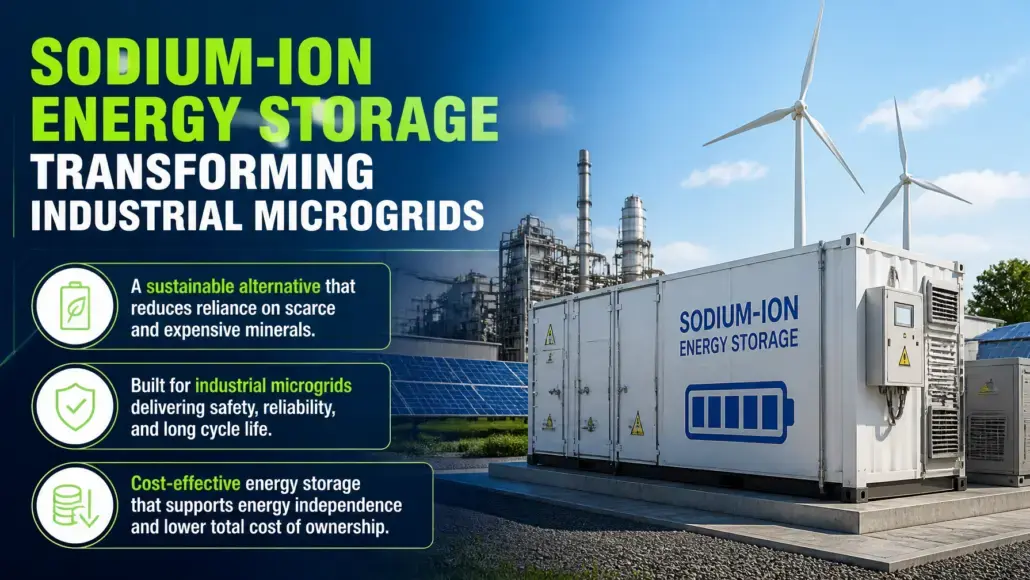
The global energy storage market is currently at a critical turning point as the industry seeks to diversify its supply chains and reduce its dependence on the finite and increasingly expensive materials that define traditional battery technologies. While lithium-ion batteries have been the dominant force in the transition toward renewable energy, the challenges associated with the mining of lithium, cobalt, and nickel have prompted a surge of interest in more sustainable and cost-effective alternatives. The process of commercializing sodium-ion energy storage for industrial microgrids represents a transformative development in this effort, offering a high-performance solution that utilizes one of the most abundant and widely available elements on Earth. PowerGen Advancement notes that by providing a scalable and environmentally friendly way to store localized energy, sodium-ion technology is building a more resilient and equitable foundation for the industrial grid of the future. This shift is not merely a technical upgrade but a fundamental realignment of how industrial power systems interact with the physical resources of the planet.
Sodium-ion batteries operate on a similar principle to their lithium-ion counterparts, utilizing the movement of ions between a cathode and an anode to store and release energy. However, by replacing lithium with sodium, manufacturers can significantly reduce the cost of production and eliminate the need for rare and controversial minerals. Sodium is found in abundance in common salt and can be extracted with a much lower environmental impact than lithium. Furthermore, sodium-ion batteries offer several technical advantages for industrial applications, including superior performance at extreme temperatures, enhanced safety due to a lower risk of thermal runaway, and the ability to be discharged to zero volts for safe transport and storage. These characteristics make sodium-ion energy storage an ideal choice for the demanding requirements of industrial microgrids, where reliability, safety, and cost-effectiveness are paramount.
The Chemical Foundations of Sodium-Ion Battery Systems
The technical core of sodium-ion technology lies in the development of efficient cathode and anode materials that can accommodate the larger size of the sodium ion compared to lithium. Common cathode materials include layered transition metal oxides, polyanionic compounds, and Prussian blue analogues, each offering a different balance of capacity, voltage, and stability. For the anode, hard carbon—a non-graphitizable form of carbon—has emerged as the preferred choice, providing the necessary interlayer spacing for sodium ion intercalation. The expertise gained in synthesizing these specialized materials is a key component of the new field of sodium chemistry. As the technology matures, we are seeing a shift toward second-generation materials that further improve the energy density and cycle life of the cells. The ability to fine-tune these molecular structures is essential for meeting the high-cycle demands of industrial-scale energy storage, where batteries must endure thousands of deep-discharge cycles without significant degradation.
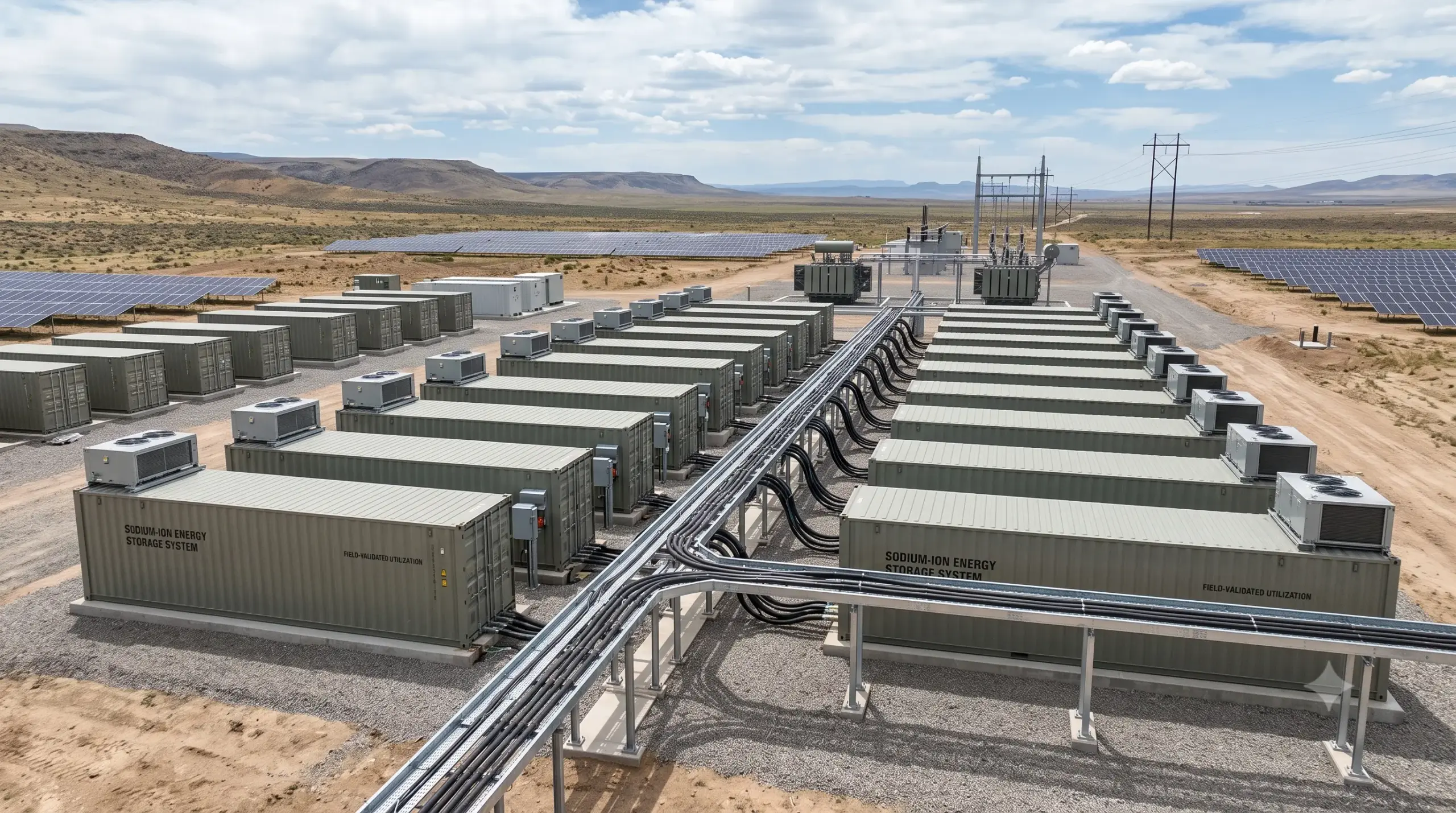
Furthermore, the integration of sodium-ion batteries into existing energy storage systems is facilitated by their compatibility with standard manufacturing processes. Sodium-ion cells can be produced using the same equipment and assembly lines as lithium-ion batteries, allowing for a rapid and cost-effective transition for battery manufacturers. This drop-in capability is a major advantage for the technology, as it leverages the massive global investment in lithium-ion production capacity. The technical synergy between the two chemistries is a hallmark of the modern battery industry. By utilizing existing infrastructure, the battery industry can bypass the lengthy and capital-intensive process of building entirely new manufacturing ecosystems, thereby accelerating the time-to-market for sustainable storage solutions.
CATL and the Global Scalability of Sodium Storage
A significant milestone in the commercialization of this technology occurred with the entry of Contemporary Amperex Technology Co., Limited (CATL) into the sector. In a series of breakthrough announcements culminating in 2026, CATL officially unveiled the TENER Sodium Energy Storage System, the world’s first field-validated utility-scale solution based on sodium chemistry. Unlike previous pilot projects, the TENER system represents a fully industrialized architecture designed to meet the rigorous demands of commercial and industrial microgrids. CATL’s first-generation sodium-ion cells achieve an energy density of approximately 160Wh/kg, a figure that is highly competitive with lithium iron phosphate (LFP) batteries while offering superior low-temperature performance and faster charging capabilities. By leveraging its massive manufacturing scale and advanced R&D capabilities, CATL has successfully bridged the gap between laboratory research and mass-market industrial application.
The CATL approach is characterized by its “AB” battery solution, which integrates both sodium-ion and lithium-ion cells into a single battery pack. This hybrid architecture allows for the strengths of both chemistries to be utilized simultaneously, with lithium providing high energy density and sodium offering exceptional safety and stability in extreme cold. This innovative system-level integration has been a key driver in the global adoption of sodium-ion energy storage, as it mitigates the primary concern regarding the lower energy density of pure sodium cells. CATL’s commitment to this technology underscores the critical role that sodium-ion energy storage plays in the future of industrial resilience and serves as a powerful indicator of the industry’s commitment to building a more sustainable and secure energy base. The deployment of these systems in diverse geographic regions validates the versatility of the CATL architecture.
Enhancing Microgrid Resilience and Strategic Independence
The shift toward sustainable storage is intrinsically linked to the broader goals of energy resilience. As the energy mix becomes more complex, the implementation of adaptive protection schemes for microgrids with variable renewable penetration ensures that storage assets like sodium-ion batteries are safely integrated. By providing a more reliable and cost-effective way to store localized energy, sodium-ion technology allows for the development of microgrids that can operate at peak capacity for longer periods, even during disruptions to the main grid. For instance, the transition toward adaptive protection schemes is bolstered by the stable and predictable output provided by sodium-ion batteries, ensuring that the safety of the grid remains functional even under extreme load profiles. This systemic approach ensures that the localized power system is not just a collection of devices, but a sustainable and resilient engine that maximizes the value of every stored kilowatt-hour.
Furthermore, the integration of sodium-ion technology is driving a revolution in resource security. By decoupling the energy transition from the volatility of rare-mineral markets, sodium-ion storage provides a level of economic stability and strategic independence that is unattainable with traditional batteries. The transition to sodium-ion storage is thus a major driver of industrial activity and technological progress in the broader energy sector. The influence of this technology is transforming the relationship between industry and the resources needed to power it. In an era of geopolitical uncertainty, the ability to source battery materials from common industrial salt rather than geographically concentrated lithium deposits provides a significant strategic advantage to nations and corporations alike, fostering a more stable global economic environment.
The Evolution Toward Solid-State and AI-Optimized Systems
The role of Solid-State Sodium-Ion batteries is also a critical trend that is beginning to gain momentum. By replacing the liquid electrolyte with a solid one, researchers can further improve the safety and energy density of the cells. Solid-state systems are inherently non-flammable and can potentially use a sodium metal anode, which would significantly increase the battery’s energy storage capacity. The technical challenge of ensuring good contact and ion conductivity at the solid-solid interfaces is significant, but the potential rewards for industrial microgrids are immense. The synergy between solid-state electrolytes and sodium-ion chemistry is a powerful model for the future of grid-scale storage, potentially allowing for the deployment of massive storage capacities in urban or sensitive industrial environments where fire safety is a critical constraint.
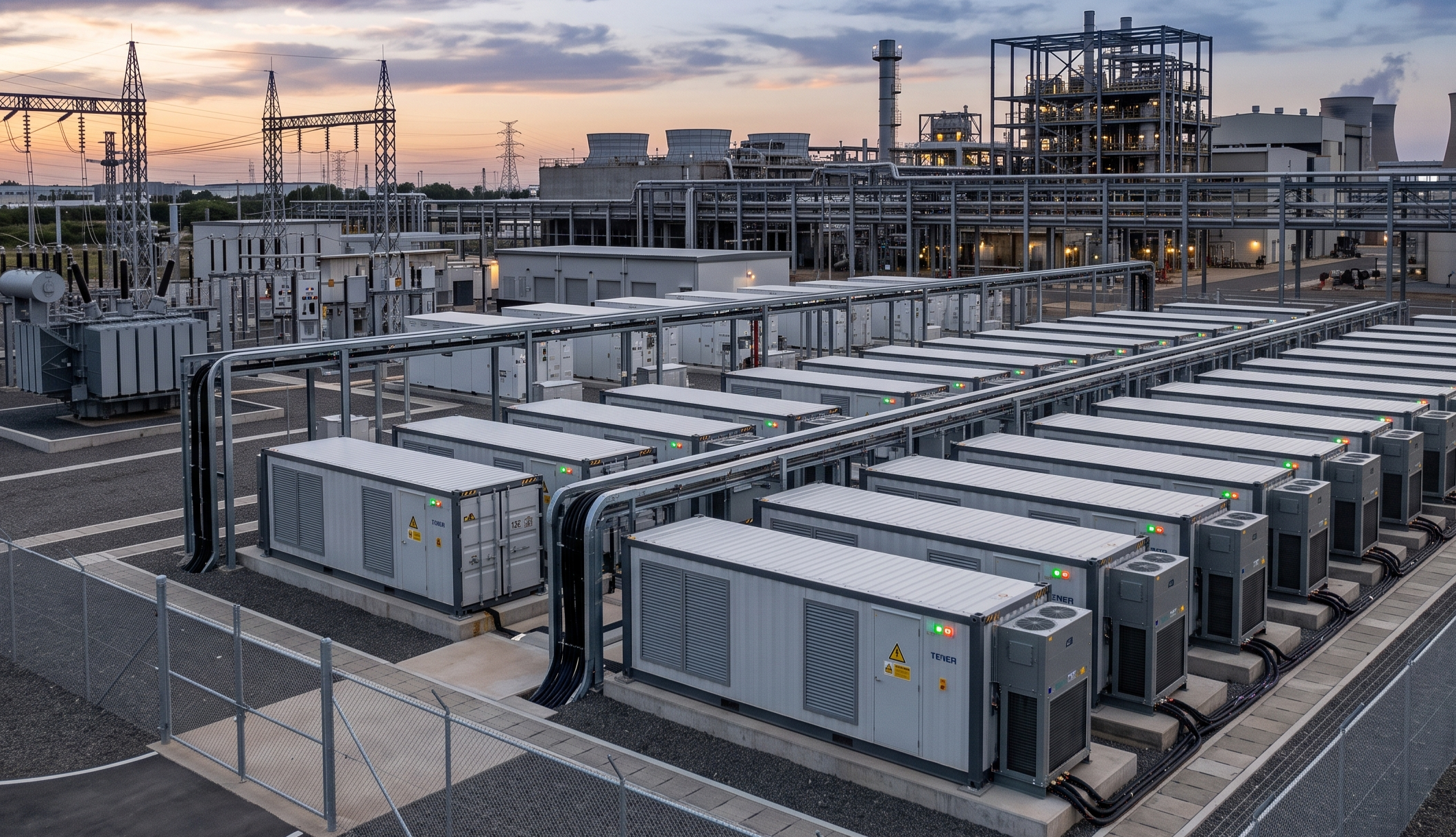
Moreover, the integration of BMS-Integrated sodium-ion systems is a burgeoning area of innovation. Battery Management Systems (BMS) that are specifically optimized for the unique charging and discharging characteristics of sodium-ion chemistry can further enhance the performance and lifespan of the storage system. These smart controllers use AI-driven algorithms to monitor the health of every individual cell and balance the load across the entire battery pack. This active balancing is essential for maximizing the capacity and reliability of large-scale industrial storage. The synergy between advanced control software and sustainable battery hardware is the ultimate expression of the smart grid vision, ensuring that industrial operators can predict maintenance needs and extend the operational life of their energy assets through real-time performance optimization.
Economic Viability and Global Standardization
The economic case for the integration of these technologies is also becoming increasingly compelling. While the energy density of sodium-ion batteries is currently lower than that of high-end lithium-ion cells, the significantly lower cost of raw materials and manufacturing makes them a more viable option for stationary energy storage where weight is less of a concern. Reducing the overall cost of energy storage can significantly lower the price of renewable energy, making it more accessible to a wider range of industrial customers. Moreover, the improved safety and lifespan of sodium-ion systems can lead to lower total cost of ownership by reducing the frequency of equipment replacement and the need for expensive fire suppression systems. The financial benefits of sodium-ion energy storage are thus a major driver of their adoption across the global industrial landscape, creating a virtuous cycle of investment and innovation.
Moreover, the role of international standards in the growth of the sodium-ion market is critical. As these systems become more widespread, there is a need for clear guidelines on battery testing, safety certification, and recycling protocols. Global organizations like the International Electrotechnical Commission (IEC) are already working with industry partners to develop these standards, providing the regulatory certainty needed for large-scale investment. The transparency and accountability provided by these systems will be key to maintaining public trust in the energy industry’s efforts to develop new and innovative storage tools. Standardization also facilitates international trade, allowing manufacturers like CATL to export their sodium-ion solutions to diverse markets with the assurance that they meet local safety and performance requirements.
The Long-Term Vision for a Sodium-Powered Future
Looking ahead, the commitment to sodium-ion energy storage will be a defining characteristic of the industrial microgrid landscape in the coming decades. The ongoing development of even more high-performance cathode materials, including those based on earth-abundant iron and manganese, will further improve the performance and reduce the cost of sustainable storage. The integration of sodium-ion with solid-state electrolytes and the expansion of global sustainable battery networks will enable a more flexible and secure energy market. As CATL continues to iterate on its TENER platform, the industry can expect to see rapid improvements in energy density, bringing sodium-ion technology even closer to the performance metrics of its lithium-based counterparts.
The implementation of robust regulatory frameworks, including international standards for battery recycling and carbon footprint reporting, will be essential for maintaining public trust. By embracing these innovations, the energy community is not only solving the resource challenges of energy storage but also building a more resilient and equitable foundation for the future of the grid. The fusion of sustainable materials science and electrical engineering, embodied in the rise of sodium-ion storage, is the defining vision for the energy industry of the 21st century. The journey from a grain of salt to a gigafactory is a collective effort that will require the participation of stakeholders across the entire materials and energy sectors, representing a shift toward a circular model that prioritizes longevity, safety, and universal access to clean power.
Finally, the importance of fostering a new generation of battery-materials specialists who are equally comfortable in the worlds of chemistry and manufacturing cannot be overstated. As sodium-ion becomes a standard part of the energy landscape, the demand for these multi-disciplinary professionals will continue to grow. PowerGen Advancement believes that by investing in the education and training of these specialists, the energy community can ensure that the full potential of sodium-ion energy storage is realized. This investment in human capital is as important as the investment in the technology itself. The industrial sector’s transition to a sustainable, sodium-powered future is a journey that will require the participation of everyone from the research chemist to the industrial energy manager. As market leaders like CATL pave the way, the global industrial base is poised to enter an era of unprecedented energy stability and environmental responsibility.