





















AI Summary
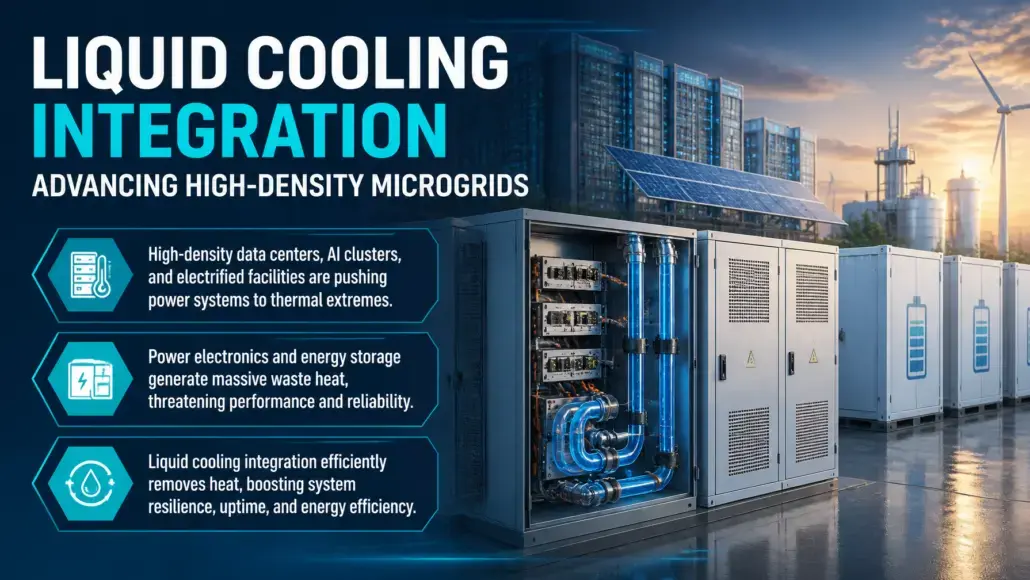
The global shift toward high-density industrial and commercial energy users, driven by the rapid expansion of data centers, AI clusters, and electrified manufacturing, is placing unprecedented thermal stress on localized power infrastructure. As microgrids become the preferred solution for ensuring energy resilience and independence, the challenge of managing the massive amounts of waste heat generated by high-power power electronics and energy storage systems has moved to the forefront of electrical engineering. The process of liquid cooling integration in microgrid architectures represents a transformative solution, offering a significantly higher heat transfer efficiency compared to traditional air-cooled systems. PowerGen Advancement notes that by directly circulating cooling fluids to the most critical components, this technology is enabling the development of more compact, efficient, and reliable microgrids that can support the most demanding energy loads of the 21st century.
Principles and Operational Advantages of Liquid Cooling
Liquid cooling systems operate on the principle of utilizing the high thermal conductivity and heat capacity of specialized fluids to absorb and transport heat away from sensitive components like power converters, transformers, and battery cells. Unlike air cooling, which requires massive fans and extensive ductwork, liquid cooling allows for a more compact and targeted approach, reducing the overall footprint of the microgrid infrastructure. This is particularly advantageous for urban environments or industrial sites where land is at a premium. Furthermore, the ability to maintain a consistent and optimal operating temperature significantly improves the lifespan and performance of electrical components, reducing the risk of thermal runaway and unplanned maintenance. The integration of liquid cooling is also a vital step toward achieving higher energy efficiency, as it minimizes the parasitic power loads associated with traditional cooling fans.
Single-Phase vs. Two-Phase Immersion Cooling Methodologies
The technical variety of liquid cooling methods includes single-phase systems, where the fluid remains in a liquid state throughout the cycle, and two-phase systems, which utilize the latent heat of vaporization as the fluid boils and condenses.
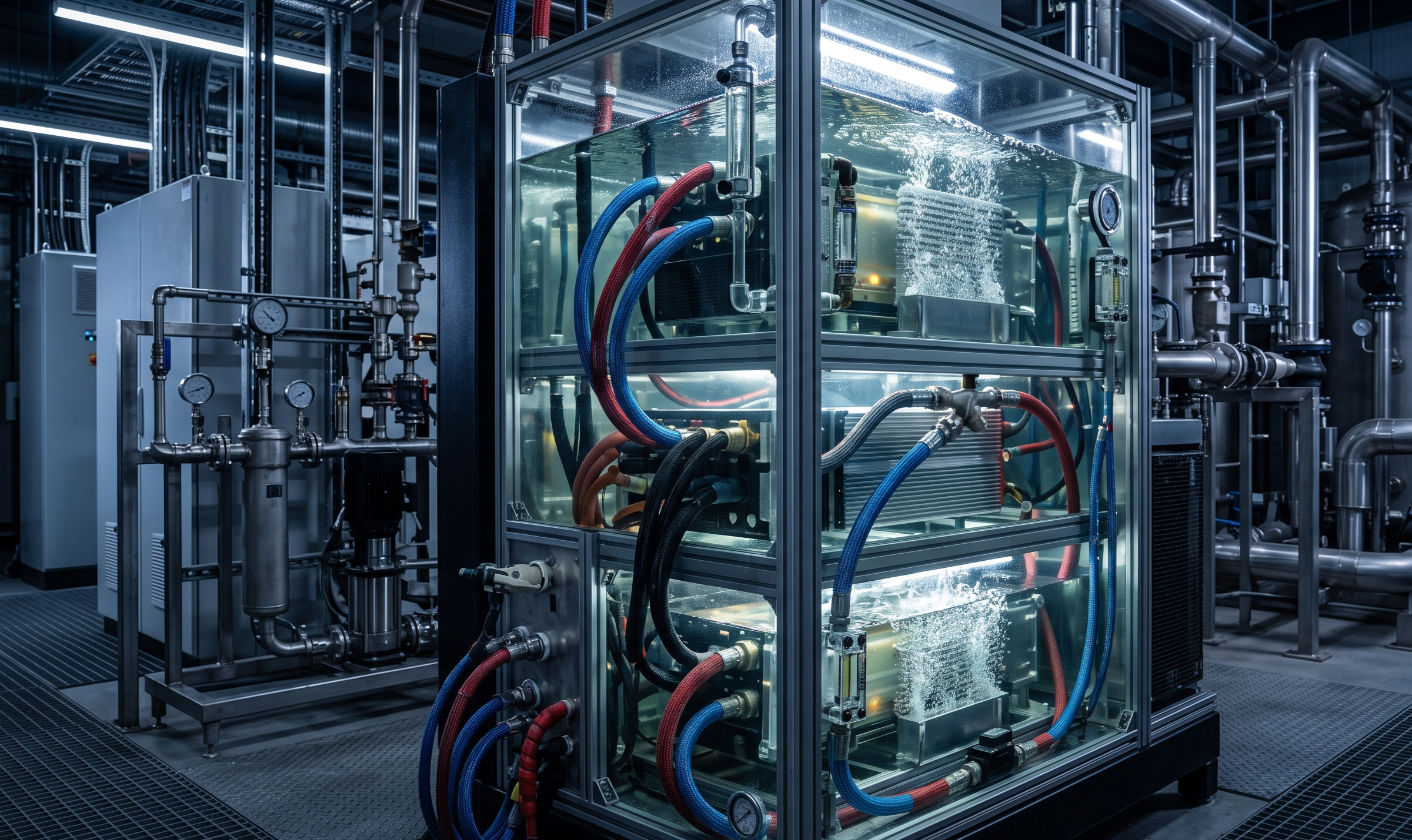
Two-phase cooling, particularly immersion cooling where components are completely submerged in a dielectric fluid, offers the highest possible heat transfer rates and is increasingly being explored for the most extreme high-density applications. The choice of cooling method depends on the specific power density and environmental constraints of the microgrid, with engineers carefully evaluating the trade-offs between complexity, cost, and performance. The expertise gained in managing these advanced thermal systems is a key component of the industrial electrification movement.
Precision Thermal Management via Cold Plate Engineering
Furthermore, the integration of cold plate technology is a major trend in microgrid component design. Cold plates are high-precision heat exchangers that are directly mounted to the power transistors and processors, providing a dedicated thermal path for the heat to escape. By optimizing the internal geometry of the cold plate—often using advanced additive manufacturing or 3D printing techniques—engineers can maximize the surface area for heat transfer while minimizing the pressure drop in the cooling loop. This technical synergy between advanced manufacturing and thermal engineering is a hallmark of modern high-density power electronics. The data generated from monitoring the temperature gradients across these plates is essential for maintaining the high level of reliability needed for mission-critical microgrids.
Industry Milestones: R&D and Testing Facility Advancements
A significant milestone in the adoption of this technology was reached in February 2025, when Schneider Electric announced the opening of its new Data Center and Microgrid Testing Labs at its global R&D center in Massachusetts. The facility features advanced testing capabilities for integrated power management and liquid cooling controls, particularly for high-density architectures supporting NVIDIA’s next-generation GPU clusters. By optimizing the synergy between power distribution and thermal management, Schneider Electric aims to provide a scalable and efficient blueprint for the data centers and microgrids of the future. This strategic investment underscores the critical role that liquid cooling integration plays in the evolution of high-density energy systems and serves as a powerful indicator of the industry’s commitment to building a more resilient and sustainable infrastructure base.
Reinforcing Grid Resilience, DERMS, and Energy Storage Stability
The shift toward thermal optimization is intrinsically linked to the broader goals of energy resilience. As therapies become more precise, the role of epigenetics powering reversible precision therapeutics highlights the need for secure, high-density computing clusters that require advanced cooling solutions. By providing a more reliable and efficient way to manage heat, liquid cooling allows for the development of microgrids that can operate at peak capacity for longer periods, even under extreme environmental conditions. For instance, the transition toward distributed energy resource management systems (DERMS) is bolstered by the stable operating environment provided by liquid cooling, ensuring that the intelligence of the grid remains functional when it is needed most. Similarly, the integration of liquid cooling with advanced energy storage systems, such as sodium-ion batteries, is essential for maintaining safety and performance during rapid charge and discharge cycles. This systemic approach ensures that the localized power system is not just a collection of components, but a thermally-optimized engine that maximizes the value of every kilowatt-hour.
Waste Heat Recovery and Thermal Circularity
Furthermore, the integration of liquid cooling is driving a revolution in the way engineers approach the problem of waste heat recovery. Rather than simply dissipating heat into the atmosphere, modern microgrids are increasingly designed to capture and repurpose this thermal energy for other industrial processes or for space heating in nearby buildings. This thermal circularity significantly improves the overall economic and environmental performance of the microgrid, turning a waste product into a valuable resource. The expertise gained in designing these integrated thermal-electrical systems is a vital component of the broader effort to build a more comprehensive and sustainable energy architecture. The transition to liquid-cooled microgrids is thus a major driver of industrial activity and technological progress in the broader energy sector.
Thermal Energy Storage and Load Flexibility
The use of thermal energy storage (TES) in conjunction with liquid cooling is also a critical trend. By storing the excess heat in phase-change materials or insulated water tanks, microgrids can shift the thermal load to periods of lower ambient temperature or use the stored energy to provide peak-shaving services to the grid. This integration of thermal and electrical storage provides a new level of flexibility and resilience, allowing the microgrid to maintain its performance even during extreme weather events or grid disruptions. The technical challenge of efficiently converting between thermal and electrical energy is significant, but the potential rewards for system-wide efficiency are immense. The influence of TES technology is transforming the way we think about the energy balance of localized power systems.
Digital Twins and Predictive Sensor Analytics
Moreover, the integration of digital twin simulations for thermal management is providing an unprecedented level of foresight. By creating a virtual model of the microgrid’s thermal environment, engineers can predict how the system will respond to different load profiles and environmental conditions. This allows for the proactive optimization of the cooling system, ensuring that it is always operating at the highest possible efficiency. The data from real-world sensors is continuously fed back into the digital twin, allowing it to evolve and become more accurate over time. This synergy between physical sensors and virtual models is the ultimate expression of the smart infrastructure vision. The ability to monitor and control the thermal state of a microgrid in real-time is a major milestone for the industry.
Cross-Disciplinary Engineering and Dielectric Safety
The technical implementation of these systems also requires a high degree of coordination between electrical engineers, mechanical engineers, and fluid dynamics specialists. Designing a liquid cooling system that is both leak-proof and compatible with the high-voltage environment of a microgrid is a significant engineering feat. Similarly, developing specialized cooling fluids that are non-conductive, non-corrosive, and environmentally friendly is a key priority for the industry. The collaboration between these different sectors is essential for overcoming the technical hurdles and ensuring that the benefits of liquid cooling reach the industrial edge as quickly and safely as possible.
Economic Feasibility and Total Cost of Ownership
The economic case for the integration of these technologies is also becoming increasingly compelling. While the initial capital expenditure for liquid cooling systems can be higher than traditional air cooling, the long-term savings associated with reduced energy usage, lower maintenance costs, and smaller facility footprints are significant. Improving the energy density of a microgrid can also lower the overall cost of land and infrastructure, making it a more viable option for a wider range of customers. Moreover, the improved reliability and lifespan of the components can lead to lower total cost of ownership by reducing the frequency of equipment replacement. The financial benefits of liquid cooling integration are thus a major driver of their adoption across the high-density power landscape.
Standardization Frameworks and the Open Compute Project (OCP)
Moreover, the role of international standards in the growth of the liquid cooling market is critical. As these systems become more widespread, there is a need for clear guidelines on cooling fluid specifications, connector standardization, and thermal performance testing. Global organizations like the Open Compute Project (OCP) are already working with industry partners to develop these standards, providing the regulatory certainty needed for large-scale investment. The transparency and accountability provided by these systems will be key to maintaining public trust in the energy industry’s efforts to develop new and innovative infrastructure.
Next-Generation Cooling Innovations and AI Controls
Looking ahead, the commitment to liquid cooling integration will be a defining characteristic of the high-density microgrid landscape in the coming decades. The ongoing development of even more efficient two-phase cooling systems, including those based on micro-channel technology and advanced dielectric fluids, will further improve the performance and reduce the cost of thermal management. The integration of AI-driven thermal optimization—using machine learning to dynamically adjust cooling parameters based on real-time demand—will become the standard for high-density power systems.
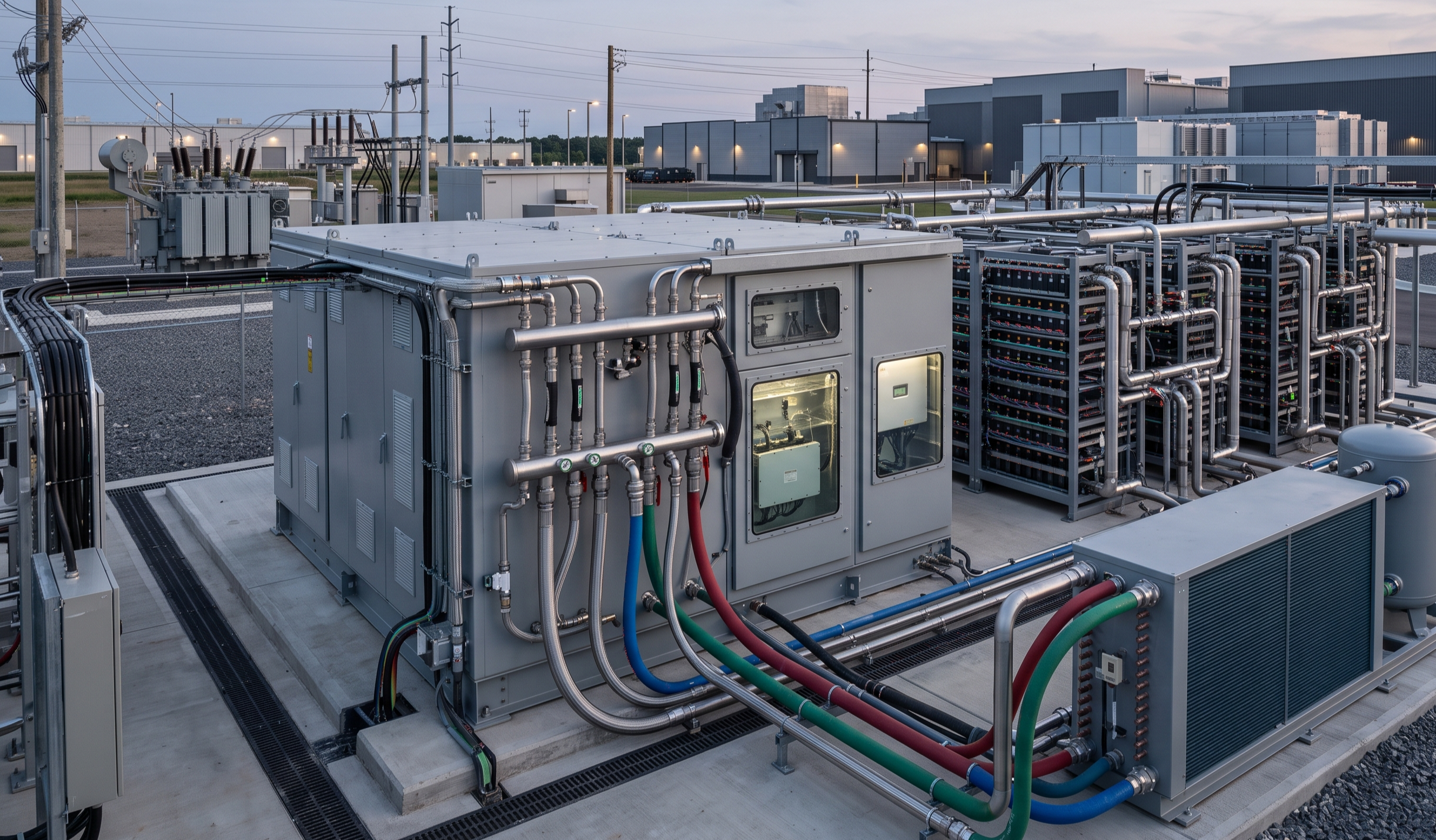
The expansion of global thermal management networks, supported by standardized hardware and software platforms, will enable the rapid deployment and remote monitoring of liquid-cooled microgrids around the world. By embracing these innovations, the energy community is not only solving the thermal challenges of high-density power but also building a more resilient and efficient foundation for the future of the grid. The fusion of electrical engineering and advanced thermodynamics, embodied in the rise of liquid cooling, is the defining vision for the energy industry of the 21st century. The journey from a heat-sink to a high-density hub is a collective effort that will require the participation of stakeholders across the entire cooling and energy sectors.
Workforce Development and the Future Engineering Talent Pool
Finally, the importance of workforce development in the transition to liquid-cooled infrastructure cannot be overstated. As these systems become more prevalent, there is a need for a new generation of multi-disciplinary engineers who are fluent in both electrical and thermal systems. PowerGen Advancement believes that by investing in the education and training needed to support these technologies, the industry can ensure that the full benefits of liquid cooling integration are realized. This investment in human capital is as important as the investment in the hardware itself, as the long-term success of high-density power depends on the expertise and dedication of the people who work at the heart of the grid. The energy industry’s transition to a thermally-optimized future is a journey that will require the participation of everyone from the design office to the maintenance crew.
References
-
Schneider Electric Opens New Data Center and Microgrid Testing Labs at Global R&D Center in Massachusetts
-
Schneider Electric Announces New Reference Designs Featuring Integrated Liquid Cooling Controls
-
Thermal Management in High-Density Microgrids: The Case for Liquid Cooling
-
The Role of Liquid Cooling in Supporting AI and Data Center Expansion
-
Open Compute Project: Standardizing Liquid Cooling for the Next Generation of Infrastructure