












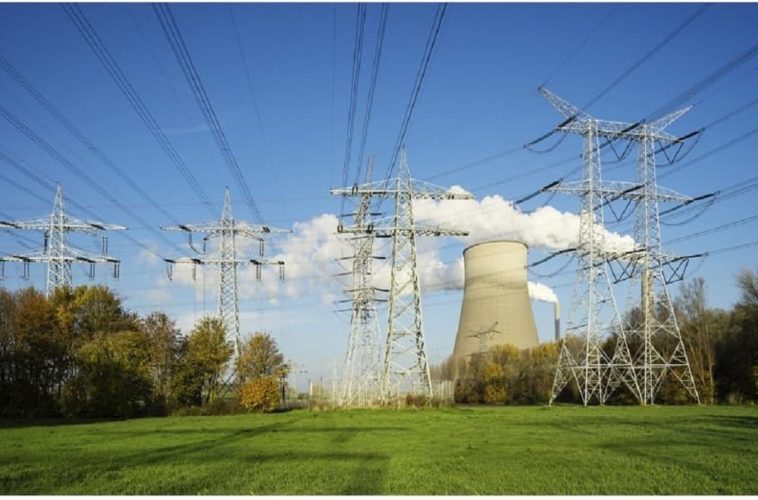







The global transition toward a renewable-based energy system is fundamentally changing the physical properties of the electrical grid. For over a century, the stability of the network was guaranteed by the massive rotating turbines and generators of traditional power plants. These synchronous machines possessed inherent mechanical inertia, a property that allowed them to resist sudden changes in frequency and to provide a stabilizing buffer against disturbances. As the world shifts toward renewable sources, which are interfaced with the grid through power electronics rather than rotating masses, the total inertia of the system is decreasing. To address this challenge, the industry is increasingly utilizing advanced control strategies. The implementation of synthetic inertia to help wind farms stabilize modern grids is a vital solution to this problem, providing a digital replacement for the mechanical stability of the past.
PowerGen Advancement notes that central to this advancement is the ability of modern wind turbines to mimic the inertial response of a traditional generator through the use of sophisticated power electronics and control algorithms. When a sudden drop in grid frequency is detected, the turbine’s control system can momentarily increase the power output by extracting kinetic energy from the rotating blades or by drawing energy from an integrated storage system. This rapid injection of power helps to slow the rate of change of frequency, giving other stabilizing assets more time to respond. This capability is essential for modern grids with high renewable penetration, where the absence of traditional inertia can lead to rapid and unpredictable frequency deviations. The deployment of digital stabilizing tools ensures that wind energy is not just a source of clean power, but an active contributor to the health and the security of the entire energy network.
Understanding the Decline of Mechanical Inertia
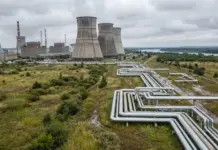
To appreciate the value of synthetic inertia, one must first understand the physics of a traditional power system. In a synchronous machine, the frequency of the electricity is directly locked to the rotational speed of the turbine. If a large load is suddenly added to the grid or a generator is lost, the frequency begins to drop. However, the kinetic energy stored in the rotating masses of the remaining generators is automatically released to slow this descent. This inherent inertia provides the critical first line of defense, maintaining stability during the few seconds it takes for the governors to adjust the fuel input and restore the balance between supply and demand.
As we replace these massive thermal plants with wind and solar farms, we lose this natural stabilizing force. Photovoltaic panels have no moving parts, and while wind turbines do rotate, they are typically decoupled from the grid frequency by power converters. This means that in an inverter-dominated grid, a disturbance can cause the frequency to plummet much faster than in a traditional system, potentially leading to widespread outages before the secondary controls can even begin to act. This is why the concept of digital inertia has become such a high priority for researchers and grid operators alike. By recreating this inertial response through software and power electronics, we can maintain the stability of the grid without the need for carbon-intensive fossil fuel plants.
How Synthetic Inertia Works: From Mechanical Mass to Digital Control
The operation of high-speed frequency support is a masterclass in modern control engineering. The process begins with the wind turbine’s inverter, which continuously monitors the grid’s voltage and frequency. When a deviation is detected, the control algorithm calculates the required power response based on the rate of change of frequency. Unlike a mechanical generator, which responds naturally according to the laws of physics, the inverter must be programmed to simulate this behavior. The beauty of this digital approach is that the response can be tuned to be even more effective than a traditional generator, providing exactly the right amount of support at exactly the right time.
There are two primary ways that a wind farm can provide this additional power. The first is by extracting the kinetic energy stored in the turbine’s massive blades. By temporarily slowing down the rotor, the turbine can release a burst of energy that is several times its nominal rating. This rotor-based inertia is highly effective but must be managed carefully to ensure that the turbine does not stall and that the energy is eventually recovered. The second method involves the use of an integrated energy storage system, such as a battery or a supercapacitor. This provides a more consistent and reliable source of power that does not affect the aerodynamic performance of the turbine. Regardless of the source, the goal remains the same: to use advanced control algorithms to maintain a rock-solid frequency even in the face of major system faults.
Managing the Rate of Change of Frequency (RoCoF)
One of the most dangerous consequences of low system inertia is a high Rate of Change of Frequency (RoCoF). If the frequency drops too quickly, it can trigger under-frequency load shedding (UFLS) relays, which automatically disconnect large blocks of consumers to prevent a total grid collapse. While UFLS is a necessary safety mechanism, it is a blunt instrument that causes significant disruption. The use of fast-acting power injection is designed to reduce the RoCoF, keeping the frequency within the safe operating envelope and preventing the activation of these emergency measures.
By providing a near-instantaneous power boost, wind farms equipped with synthetic inertia can flatten the frequency curve following a disturbance. This gives the slower-acting frequency containment reserves (FCR) and frequency restoration reserves (FRR) the time they need to come online. In regions with isolated grids or high levels of offshore wind, such as Ireland or parts of Australia, managing RoCoF is a daily challenge for grid operators. In these markets, the ability to provide synthetic inertia is not just an optional feature; it is increasingly becoming a mandatory requirement for grid connection. The success of digital frequency response in these challenging environments has proven that a renewable-powered grid can be just as stable, if not more so, than a traditional one.
The Synergy Between Wind and Storage for Inertial Response
While the kinetic energy in the turbine blades is a valuable resource, the integration of dedicated storage systems is the ultimate solution for providing long-term synthetic inertia. Batteries are particularly well-suited for this task, as they can provide full power in less than 100 milliseconds and can sustain the response for as long as necessary. When combined with wind generation, the battery acts as a high-speed buffer that can absorb or inject power to smooth out the variability of the wind and to provide the critical inertial support required by the grid.
This synergy allows wind farms to offer a firm inertial response that is independent of the current wind speed. Even on a calm day, the battery can provide the stabilizing services that the grid needs, making the wind farm a more valuable and reliable asset. Furthermore, the use of advanced grid-forming inverters allows these storage-backed wind farms to establish the grid frequency themselves, further enhancing their role in system stability. The combination of wind and storage, managed through the lens of synthetic inertia, is the blueprint for the resilient energy systems of the future.
Future Outlook: Toward Virtual Synchronous Machines
The ultimate evolution of this technology is the Virtual Synchronous Machine (VSM). A VSM is an inverter-based resource that is programmed to mimic every aspect of a traditional synchronous generator, including its inertial response, its damping characteristics, and its ability to provide fault current. As we move toward 100% renewable grids, VSMs will become the primary building blocks of the power system, providing a stable and flexible foundation that can adapt to any operating condition.
The research and development in this field are moving at a rapid pace, with new control algorithms and power electronic architectures being tested in pilot projects around the world. These advancements will make synthetic inertia even more efficient and cost-effective, allowing for the total decarbonization of the grid without sacrificing reliability. PowerGen Advancement believes that the transition from a mechanical grid to a digital one is one of the most significant engineering challenges of our time, and synthetic inertia is the key that unlocks a sustainable and stable energy future. As we continue to refine these digital tools, we are not just replacing old machines. We are building a more intelligent and adaptable power system for the generations to come.