








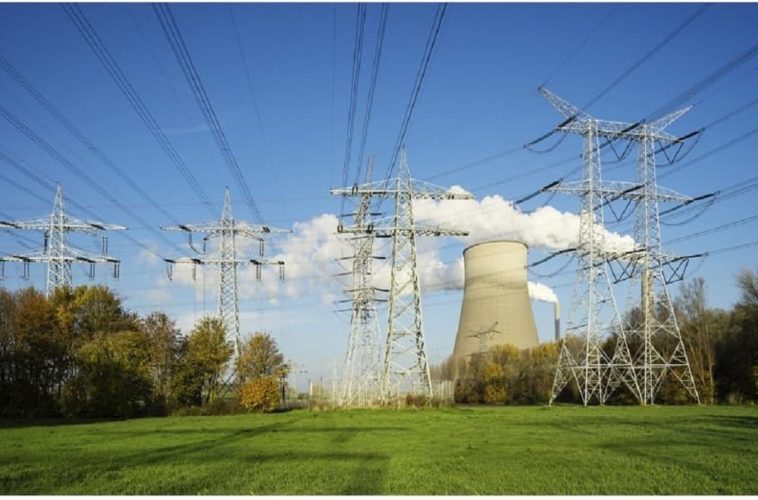




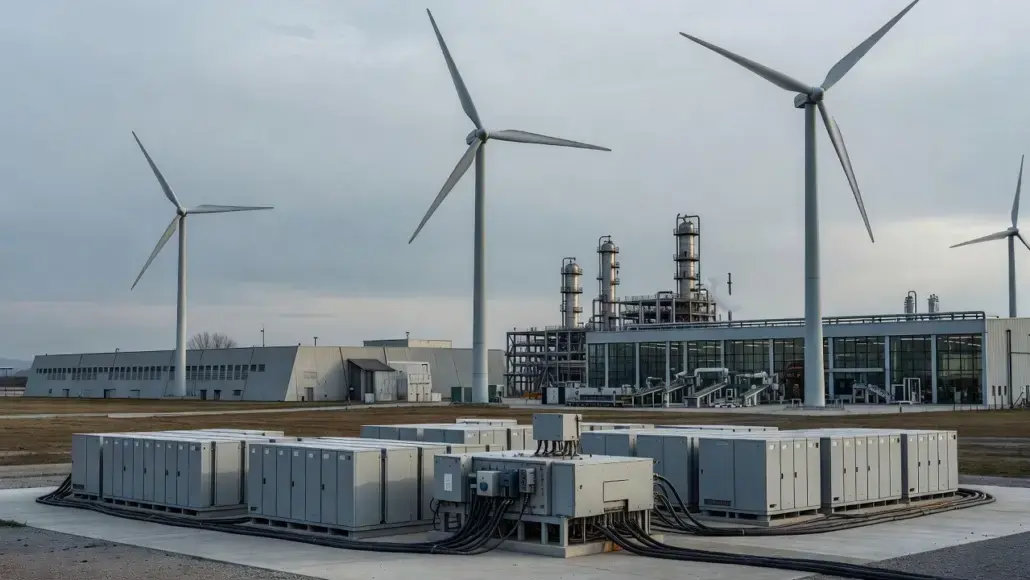
The operational stability of modern industrial facilities is fundamentally dependent on a continuous and reliable supply of high-quality electricity. For many sectors, such as data centers, chemical processing, and precision manufacturing, even a brief interruption in power can lead to significant financial loss, equipment damage, or a compromised safety environment. As the national grid faces increasing pressure from extreme weather events and the transition toward variable renewable sources, industrial operators are searching for ways to enhance their energy independence. The implementation of decentralized energy hubs is providing a powerful solution to this challenge, combining the benefits of local renewable generation with advanced control and storage technologies.
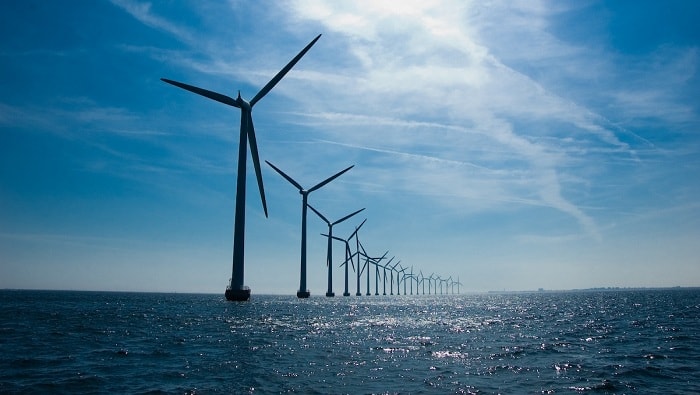
Central to this advancement is the ability of a microgrid to operate in an islanded mode, independent of the main electrical network. In a traditional factory, a grid failure would mean an immediate cessation of production. A microgrid equipped with wind turbines and onsite storage can detect a grid disturbance and disconnect itself, maintaining a continuous power supply for the critical processes. This capability ensures that the facility can continue to operate during large-scale blackouts or during periods of grid instability. PowerGen Advancement notes that by prioritizing the use of local wind energy, these systems also help the organization to achieve its sustainability goals and to reduce its carbon footprint. The deployment of on-site wind power is not just an insurance policy against outages; it is a strategic investment in the future of industrial competitiveness.
The Architecture of a Modern Wind-Integrated Microgrid
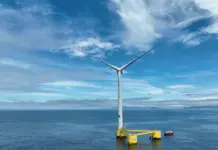
A microgrid is much more than just a collection of solar panels or wind turbines; it is a sophisticated, self-contained energy ecosystem. At its core, the microgrid consists of three main components: generation assets, storage systems, and a centralized controller. In the context of microgrids integrating wind energy, the wind turbines provide the primary energy source, often supplemented by solar or natural gas generators to ensure a diversified energy mix. The storage system, typically consisting of lithium-ion batteries, acts as a high-speed buffer, absorbing excess energy during high-wind periods and releasing it when the wind dies down or when demand spikes.
The brain of the system is the microgrid controller, which manages the flow of energy between the different assets and the connection to the main grid. This controller uses advanced algorithms to predict energy production and consumption, ensuring that the facility always has enough power to meet its needs. It also coordinates the transition between grid-connected and islanded modes, a process that must happen in milliseconds to prevent damage to sensitive electronics. By utilizing integrated power networks, companies can customize their energy profile to match their specific operational requirements, prioritizing either cost savings, carbon reduction, or maximum resilience depending on the current market conditions.
Mastering Islanded Operation and Seamless Transitions
The most critical feature of any resilient power system is its ability to handle a sudden loss of the main grid signal. For many industrial processes, a power dip lasting only a few cycles of the AC wave can cause motors to trip and computers to restart. Microgrids integrating wind energy utilize high-speed static switches and grid-forming inverters to provide a seamless transition to islanded operation. When the controller detects a fault on the utility side, it opens the main breaker and instructs the local generators and storage systems to establish their own voltage and frequency.
During islanded operation, the microgrid must balance its local generation and load with absolute precision. This is where the flexibility of wind and storage becomes essential. The battery system can respond instantly to fluctuations in load, while the wind turbines can be throttled or boosted to maintain the overall energy balance. This level of control allows the industrial facility to operate indefinitely as an energy island, provided there is sufficient wind or stored energy. The peace of mind offered by localized energy systems is invaluable for businesses where a single hour of downtime can cost millions of dollars. As the grid becomes more volatile, the value of this seamless resilience will only continue to grow.
Economic Benefits: Beyond Backup Power
While resilience is the primary driver for many microgrid projects, the economic benefits are equally compelling. Industrial facilities can use their microgrids to significantly reduce their energy bills through a variety of strategies. For example, peak shaving involves using the on-site wind and battery assets to provide power during periods when utility rates are at their highest. This reduces the demand charges that many utilities levy on large industrial customers based on their highest usage during the month. By utilizing advanced energy management, companies can effectively flatten their energy consumption profile, leading to substantial long-term savings.
In addition to reducing costs, microgrids can also generate revenue by participating in utility-scale programs. Grid operators often pay large energy consumers to reduce their demand during times of system stress, a process known as demand response. A wind-integrated microgrid is perfectly suited for this, as it can switch to on-site generation without affecting the facility’s operations. Furthermore, the microgrid can sell excess wind energy back to the grid or provide ancillary services such as frequency regulation. The versatility of microgrids integrating wind energy ensures that the system is an active financial asset, providing a return on investment that far exceeds that of a traditional backup generator.
Protecting Critical Loads and Enhancing Power Quality
In the modern industrial environment, power quality is just as important as power quantity. High-precision manufacturing and data processing equipment require a very clean electrical signal, free from the harmonics, voltage sags, and frequency deviations that are common on the public grid. Microgrids integrating wind energy provide an inherent layer of protection against these issues. The power electronics used in the microgrid’s inverters can act as an active filter, smoothing out any irregularities in the incoming power and providing a rock-solid signal to the facility’s critical loads.
This focus on power quality is especially important in regions with weak grid infrastructure or high levels of lightning activity. By isolating the internal network from the external grid, the microgrid protects expensive machinery from electrical surges and transients. Moreover, the local control provided by smart grid technology allows for the prioritization of critical loads. In the event of an energy shortage, the controller can automatically shed non-essential loads, such as office lighting or HVAC, to ensure that the primary production lines remain powered. This intelligent load management is a hallmark of a truly resilient industrial energy strategy.
Future Trends: Decentralization and the Industrial Internet of Things
As we look toward the future, the integration of microgrids with the Industrial Internet of Things (IIoT) will unlock even greater levels of efficiency and resilience. We are moving toward a world of smart factories, where every machine is connected and can communicate its energy needs to the microgrid controller. This will allow for hyper-optimized energy management, where production schedules are automatically adjusted based on the predicted wind output or the current market price of electricity. The deployment of microgrids integrating wind energy is a foundational step in this digital transformation, providing the flexible energy infrastructure that the smart factory requires.
Furthermore, the rise of microgrid clusters will allow neighboring industrial facilities to share energy and resources, creating a larger and even more resilient local network. In this model, if one factory has a surplus of wind energy, it can send it to a neighbor that is experiencing a peak in demand. This collaborative approach to energy management will lead to a more stable and efficient industrial sector, less dependent on the centralized utility model. PowerGen Advancement believes that the future of industrial power is decentralized, digital, and decarbonized, and microgrids integrating wind energy are the key to unlocking this potential. The transition is not just about changing where we get our power. It is about changing how we manage it, creating a more robust and sustainable foundation for global industry.