













The transition toward a renewable-based energy system is fundamentally changing the way power grids are operated and managed across the globe. For decades, grid operators relied on relatively simple models and historical patterns to balance supply and demand, as traditional power plants provided a predictable and controllable output. However, the rise of wind energy, which is characterized by its inherent variability and decentralization, has introduced a new level of complexity. To address these challenges, the industry is increasingly turning toward sophisticated digital solutions. The implementation of data-driven grid operations supporting higher wind penetration is a critical factor in this evolution, providing the analytical depth required to optimize the energy system and for ensuring a stable and reliable power supply.
Strategic grid management now relies on the ability to collect and analyze massive amounts of data from every stage of the energy value chain. PowerGen Advancement notes that by utilizing advanced sensors, high-speed communications, and cloud-based computing, operators can gain real-time visibility into the performance of wind farms, the condition of the transmission lines, and the patterns of consumer demand. This capability allows for the development of highly accurate forecasts and for the implementation of proactive control strategies that can anticipate grid disturbances before they occur. The move toward a more integrated and digitalized energy management system is a hallmark of the modern industrial sector, where the focus is on achieving the highest possible standards of operational efficiency and for ensuring the safety and the satisfaction of all consumers.
Leveraging Big Data for High-Precision Wind Forecasting
The foundation of modern grid operations lies in the ability to predict the output of variable renewable resources with a high degree of accuracy. Traditional weather models, while useful, often lack the granular detail required to manage a grid with thousands of individual wind turbines. Data-driven grid operations supporting higher wind penetration overcome this limitation by integrating vast amounts of real-time sensor data from the wind farms themselves. This includes information on wind speed and direction at various altitudes, air pressure, temperature, and the operational status of each turbine. By combining this local data with global meteorological models, operators can create digital twins of their wind assets, allowing for the simulation of multiple scenarios and the optimization of energy production.
The shift toward high-precision forecasting has a direct impact on the economic and technical performance of the grid. When operators can predict wind output with greater certainty, they can reduce the amount of spinning reserve—standby power from fossil fuel plants—that is needed to cover potential shortfalls. This not only reduces carbon emissions but also lowers the cost of balancing the grid. Furthermore, advanced analytical tools allow for the better coordination of maintenance schedules. By predicting when wind speeds will be low, operators can plan for turbine repairs during periods of low production, maximizing the overall availability of the wind farm. The power of big data is transforming wind from an unpredictable variable into a reliable and manageable energy asset.
Real-Time Monitoring and the Internet of Energy (IoE)
The concept of the Internet of Energy (IoE) is at the heart of the digital grid. This interconnected network of sensors, meters, and controllers provides a continuous stream of data that allows for the real-time monitoring of the entire energy system. For wind energy, this means that every turbine becomes a data-generating node, providing insights into its aerodynamic performance, its mechanical health, and its impact on the local grid. Modern grid management platforms utilize this wealth of information to perform active power management, where the output of individual wind farms is adjusted in real-time to maintain the balance of the network.
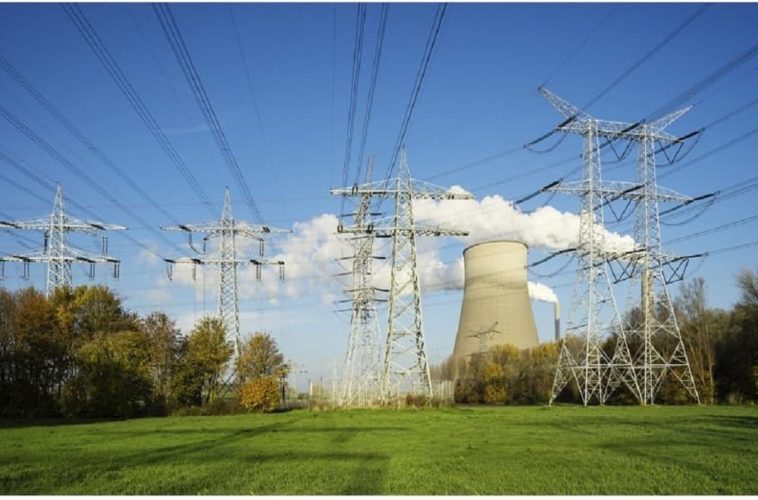
This real-time visibility is also essential for managing the physical infrastructure of the grid. Advanced monitoring systems can detect hot spots in transmission lines or signs of degradation in transformers before they lead to a failure. In a grid with high wind penetration, the power flows can be much more dynamic and unpredictable than in a traditional system, putting increased stress on the equipment. By utilizing data-driven grid operations supporting higher wind penetration, operators can implement dynamic line rating, where the capacity of a transmission line is adjusted based on real-time weather conditions. For example, a strong wind that increases energy production also helps to cool the transmission lines, allowing them to carry more power. This intelligent use of data allows the industry to get more out of the existing infrastructure, delaying the need for costly new projects.
Artificial Intelligence and Machine Learning in Grid Control
As the volume and the complexity of grid data continue to grow, the industry is increasingly turning toward artificial intelligence (AI) and machine learning (ML) to assist in decision-making. These technologies are ideally suited for the challenges of data-driven grid operations supporting higher wind penetration, as they can identify patterns and correlations that are invisible to human operators. ML algorithms can analyze years of historical grid data to learn how the system responds to different weather patterns, demand spikes, and equipment failures. This knowledge is then used to automate complex tasks, such as frequency regulation and voltage support, with a level of speed and accuracy that far exceeds manual control.
AI-driven systems are also playing a crucial role in demand-side management, where the consumption of electricity is adjusted to match the available wind generation. For instance, smart appliances and industrial processes can be programmed to run when wind production is at its highest and energy prices are at their lowest. By coordinating millions of these small adjustments, automated grid controls can effectively shape the demand to fit the supply, significantly reducing the need for expensive energy storage or backup generation. This level of intelligent, automated coordination is the key to operating a grid with 100% renewable energy, ensuring that the system remains stable and efficient even as the complexity continues to increase.
Enhancing Asset Performance and Predictive Maintenance
One of the most immediate benefits of a data-centric approach is the improvement in the performance and the longevity of wind energy assets. Traditional maintenance schedules are often based on time intervals, which can lead to unnecessary inspections or, conversely, to failures that occur between scheduled visits. Data-driven grid operations supporting higher wind penetration enable predictive maintenance, where the condition of every component is monitored in real-time. By analyzing vibration data, oil samples, and electrical signals, the system can identify the early warning signs of a gearbox failure or a bearing issue, allowing for repairs to be made before a catastrophic failure occurs.
This proactive approach not only reduces maintenance costs but also increases the capacity factor of the wind farm—the percentage of time it is actually producing electricity. In the highly competitive energy market, even a small improvement in availability can translate into millions of dollars in additional revenue. Furthermore, data-driven grid operations supporting higher wind penetration allow for the optimization of turbine control strategies. By adjusting the pitch and the yaw of the blades based on real-time wind conditions and the performance of neighboring turbines, operators can maximize the energy yield while minimizing the mechanical stress on the machine. The result is a more efficient, more reliable, and more profitable wind energy project.
Future Outlook: Toward a Fully Autonomous and Intelligent Grid
Looking ahead, the role of data and digital technology in grid management will only continue to grow. We are moving toward a future where the power grid is a fully autonomous and intelligent system, capable of self-healing and self-optimization. In this model, intelligent energy software will be the operating system of the energy network, coordinating the actions of millions of decentralized energy resources in real-time. This will require the deployment of even more advanced communications technologies, such as 5G and satellite links, to ensure that the data can be transmitted and processed with minimal latency.
The transition to a digital grid also brings new challenges, particularly in the area of cybersecurity. As the energy system becomes more dependent on data and software, it also becomes more vulnerable to cyber-attacks. Ensuring the security and the integrity of data-driven grid operations supporting higher wind penetration is a top priority for the industry, requiring the implementation of advanced encryption, blockchain technology, and robust defensive measures. However, the benefits of a more intelligent and flexible grid far outweigh the risks. PowerGen Advancement believes that by embracing the power of data, we are creating a power system that is not only cleaner and more sustainable but also more resilient and adaptable to the challenges of the 21st century. The journey toward an intelligent energy future is well underway, and the wind is at our backs.