

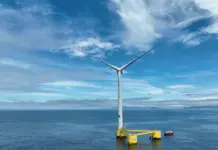
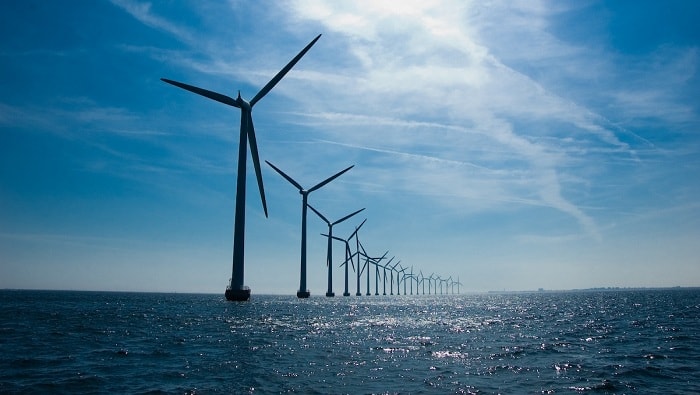


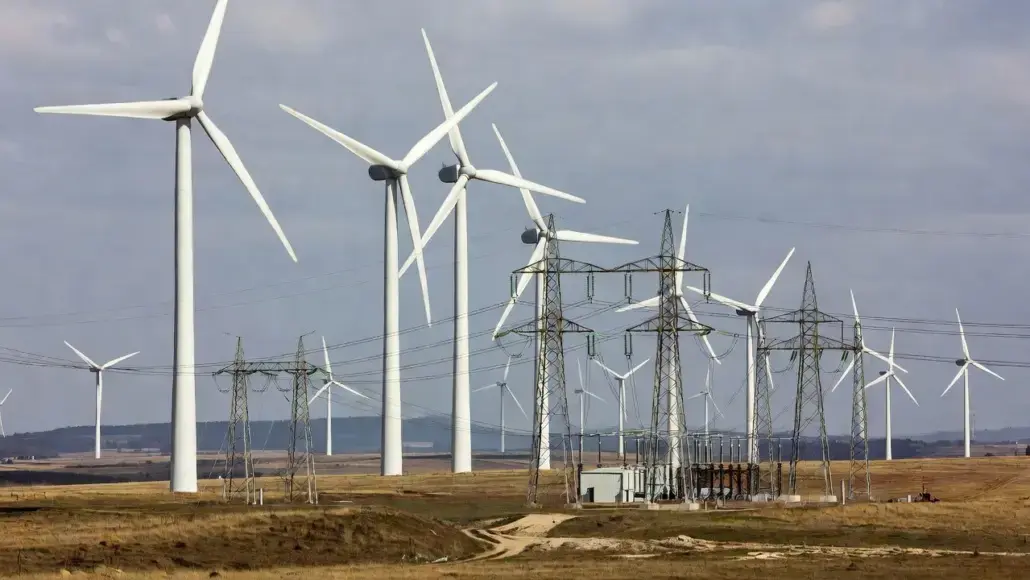
The transformation of the global energy landscape is driving a fundamental shift in how power systems maintain stability and reliability. For over a century, the electricity grid relied on the physical inertia of massive synchronous generators in coal and gas plants to maintain frequency and voltage. These large, rotating masses acted as a natural buffer against disturbances, providing an instantaneous response to changes in supply and demand. However, as these traditional assets are retired in favor of renewable sources, the industry faces the challenge of operating a grid with lower inherent inertia. The introduction of grid-forming wind farms is a critical solution to this problem, providing the active control capabilities needed to replace the stabilizing properties of conventional power stations.
Traditional wind energy systems typically operate in a grid-following mode, where they rely on a stable voltage signal from the grid to synchronize their output. In contrast, grid-forming technology allows wind turbines to act as independent voltage sources, capable of maintaining grid stability even in weak networks or during islanded operation. This capability is essential for regions with high renewable penetration, where the absence of traditional rotating mass can lead to rapid frequency deviations. PowerGen Advancement notes that by utilizing advanced power electronics and control algorithms, grid-forming wind farms can respond to grid disturbances in milliseconds, providing a more resilient and flexible foundation for the modern energy transition. This shift represents a move from passive energy generation to active system support, ensuring that wind energy is not just a participant in the grid but a cornerstone of its reliability.
The Evolution from Grid-Following to Grid-Forming Technology
To understand the importance of grid-forming wind farms supporting stable power networks, it is necessary to examine the technical evolution of inverter-based resources (IBRs). For many years, the primary goal of wind and solar developers was to maximize energy production while following the frequency and voltage established by the rest of the grid. These grid-following inverters use a Phase-Locked Loop (PLL) to track the grid signal and to inject current in phase with the voltage. While effective for low levels of renewable penetration, this approach becomes problematic when IBRs make up the majority of the generation. In such cases, the grid signal becomes soft and prone to instability, as there are fewer synchronous machines to anchor the system.
The emergence of advanced inverter control represents a paradigm shift in energy management. Instead of following the grid, these inverters create their own voltage and frequency reference, effectively dictating the terms of the network’s operation. This allows them to support the grid during periods of high volatility and to maintain the system’s strength in remote or weak locations. By mimicking the behavior of a synchronous generator through digital control, grid-forming inverters can provide an instantaneous response to frequency changes, known as synthetic inertia. This digital replacement for mechanical inertia is what allows modern grids to operate safely with high levels of variable renewable energy.
Mimicking Synchronous Inertia with Advanced Power Electronics
The technical foundation of grid-forming wind farms lies in the sophisticated control of the inverter systems that interface wind turbines with the electrical network. These inverters are programmed to respond to frequency deviations in a way that is analogous to the physical response of a rotating mass. When the grid frequency drops, the inverter immediately increases its power output by drawing on the energy stored in the wind turbine’s rotating blades or an integrated battery system. This rapid injection of power helps to slow the rate of change of frequency (RoCoF), giving other stabilizing assets more time to respond.
The ability of modern wind systems to provide this near-instantaneous support is a game-changer for grid operators. In a traditional system, frequency management is a slow and mechanical process, but in an inverter-dominated grid, it becomes a high-speed digital operation. This allows for much finer control over the grid’s performance and enables the integration of even more renewable capacity without the need for expensive synchronous condensers or other external stabilizing equipment. As the technology continues to mature, the distinction between natural and synthetic inertia will become increasingly irrelevant, as the digital systems prove to be just as reliable and more flexible than their mechanical predecessors.
Enhancing System Strength in Weak and Remote Networks
System strength is a measure of the grid’s ability to maintain its voltage profile under various operating conditions and to withstand disturbances. In many parts of the world, the best wind resources are located in remote areas far from the main load centers, where the transmission network is often weak and sparsely populated with traditional power plants. In these environments, grid-following wind farms can struggle to stay synchronized, leading to voltage oscillations and potential disconnection. Advanced wind farms offer a powerful solution to this challenge by providing the local voltage support and fault current required to maintain a stable connection.
By acting as a stiff voltage source, a grid-forming wind farm can effectively create a stable electrical environment for other, weaker generators to connect to. This capability is known as black-start support, and it is essential for the restoration of the power system following a major outage. In a black-start scenario, a grid-forming turbine can start itself from an internal power source and then establish a stable voltage and frequency for the rest of the local grid. This is a significant advancement over traditional wind farms, which require an energized network to begin operation. The resilience provided by these innovative energy assets is a key factor in ensuring the long-term security of the energy supply in a world powered by renewables.
Regulatory Standards and the Evolution of Grid Codes
As the benefits of grid-forming technology become more apparent, regulators and grid operators around the world are updating their grid codes—the technical requirements that power plants must meet to connect to the network. Historically, these codes were designed around the characteristics of large thermal plants, but they are now being adapted to include the specific capabilities of inverter-based resources. Countries such as Australia, Germany, and the United Kingdom are leading the way in mandating that new wind and solar projects provide a certain level of frequency and voltage support, effectively paving the way for the widespread adoption of grid-forming wind farms to support stable power networks.
The inclusion of grid-forming requirements in national standards is a clear signal that the energy industry recognizes the need for a more active and supportive role for renewables. This transition is not without its challenges, as it requires significant investment in hardware upgrades and software development. However, the long-term benefits of a more stable and resilient grid far outweigh the initial costs. By codifying these requirements, regulators are providing the certainty that developers need to invest in advanced inverter technology, ensuring that the next generation of wind farms is equipped to handle the complexities of a modern power network.
The Future of Inverter-Based Resource Management
Looking ahead, the role of grid-forming technology will extend beyond individual wind farms to encompass entire clusters of renewable generation and storage. We are moving toward a future where the power system is managed by a mesh of intelligent, grid-forming inverters that coordinate their actions in real-time to maintain stability. This distributed approach to grid management is inherently more resilient than the centralized model of the past, as the loss of any single generator is easily compensated for by the rest of the network.
Ongoing research into multi-level grid-forming control and the integration of artificial intelligence will further enhance the capabilities of these systems. AI-driven controllers can analyze vast amounts of grid data to optimize the response of the wind farm to local conditions, ensuring the highest possible level of performance. PowerGen Advancement believes that as we continue to push the boundaries of what is possible with power electronics, advanced wind facilities will remain at the heart of the energy transition, providing the stability and reliability needed to power our world with 100% clean energy. The journey from following the grid to forming the grid is the defining technical narrative of our time, and it is a journey that is well underway.