
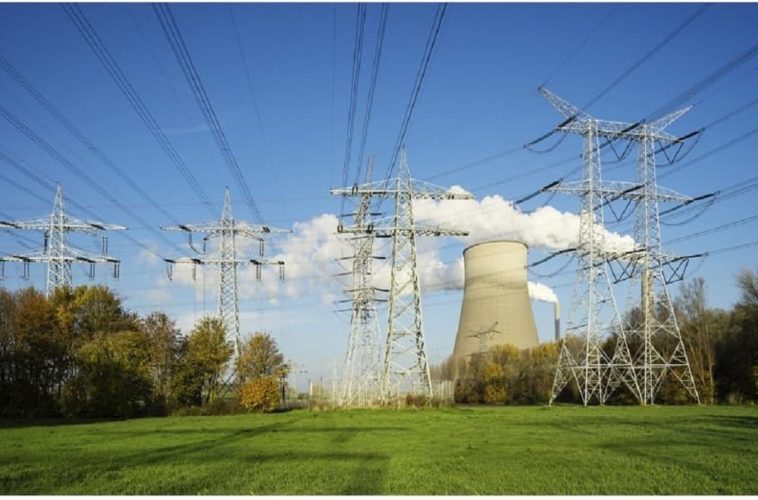
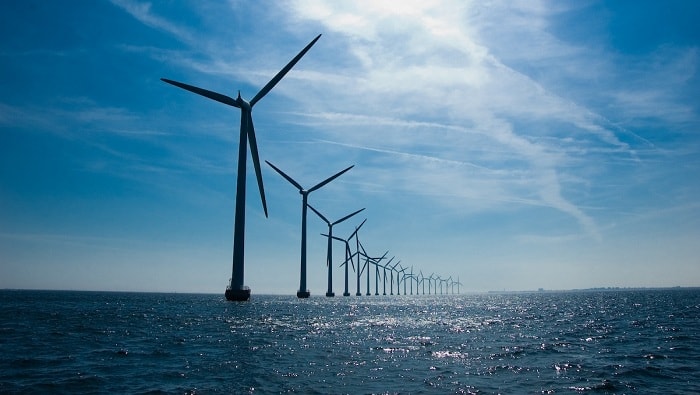



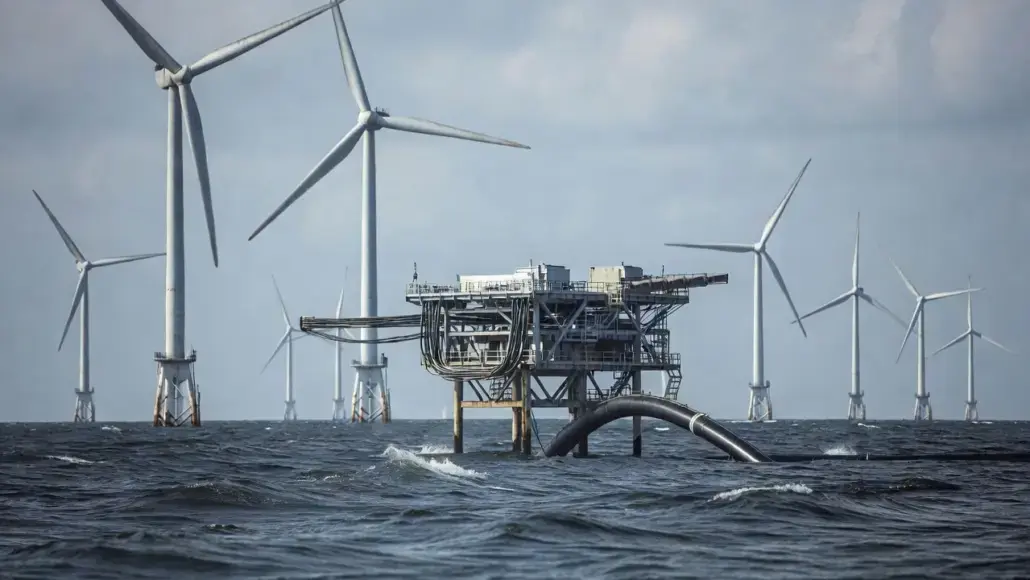
The global energy transition is currently reaching a critical juncture where the deployment of large-scale renewable resources is no longer limited by generation capacity, but by the ability to transport that energy to where it is needed most. As offshore wind projects venture further from the coastline to harness the stronger and more consistent wind speeds found in the deep ocean, the technical demands on transmission infrastructure have intensified. PowerGen Advancement notes that the use of high-capacity DC links has emerged as the definitive solution to this challenge, providing an efficient electrical highway that spans hundreds of kilometers beneath the sea. Unlike conventional systems, this technology allows for the seamless integration of massive wind clusters into the national grid, ensuring that clean energy can be delivered with minimal loss and maximum reliability.
The shift toward High Voltage Direct Current (HVDC) technology represents a fundamental change in how we think about maritime energy infrastructure. In the early days of offshore wind, simple AC connections were sufficient for projects located near the shore. However, as the industry scales up to meet the demands of a decarbonized world, the physical constraints of AC transmission—such as the reactive power losses and the limited distance of subsea cables—have become insurmountable. The introduction of advanced subsea transmission has unlocked the potential of remote marine environments, allowing developers to build gigawatt-scale wind farms that were previously considered unreachable. This advancement is not just about moving electricity. It is about building the foundation for a global supergrid that can balance the variability of renewables across entire continents.
Overcoming the Technical Limitations of AC Transmission
The primary advantage of direct current over alternating current for long-distance subsea transmission lies in the behavior of the electrical field within the cable. In an AC cable, the continuous reversal of the current creates a capacitive charging effect that consumes a significant portion of the cable’s capacity, effectively limiting the distance over which power can be transmitted. For distances exceeding 50 to 80 kilometers, the losses in an AC system become prohibitively high, and the cable’s ability to carry active power is severely degraded. Direct current systems eliminate this problem by maintaining a constant voltage, which allows the entire capacity of the cable to be used for the transport of useful energy. This characteristic is what makes HVDC the only viable choice for the next generation of far-shore wind projects.
Beyond the distance limitation, HVDC systems offer significantly higher efficiency than their AC counterparts. Because there is no skin effect or proximity effect in a DC conductor, the electricity flows through the entire cross-section of the cable, reducing resistive losses. This efficiency is critical for projects where every percentage point of energy saved translates into millions of dollars in revenue and a significant reduction in carbon emissions. Furthermore, the use of modern cable designs allows for the use of fewer and thinner conductors to transport the same amount of power, reducing the environmental impact on the seabed and lowering the overall cost of installation. This combination of technical superiority and economic efficiency is driving the rapid adoption of HVDC across the global offshore wind sector.
The Architecture of Modern Offshore Converter Stations
At the heart of every HVDC link is the converter station, a sophisticated piece of engineering that transforms the AC power generated by the wind turbines into DC for transmission, and then back into AC at the mainland grid. Modern energy systems utilize Voltage Source Converter (VSC) technology, which offers several key advantages over the older Line-Commutated Converter (LCC) systems. VSC systems are much more compact, making them ideal for placement on offshore platforms where space is at a premium. They also provide independent control of active and reactive power, allowing the converter to act as a stabilizing anchor for the local offshore network and the main onshore grid alike.
The complexity of these offshore platforms is immense, often housing thousands of tons of high-voltage equipment in a harsh marine environment. These stations must be designed for extreme durability and minimal maintenance, as access during the winter months can be challenging. By utilizing advanced power electronics, integrated transmission platforms can manage the variable output of thousands of wind turbines with millisecond precision. This level of control is essential for preventing grid disturbances and for ensuring that the offshore wind farm can participate in the same frequency response and voltage support markets as conventional power plants. The converter station is essentially the brain of the offshore wind farm, coordinating the flow of energy and maintaining the stability of the entire system.
Integrating Large-Scale Wind Clusters into the National Grid
As the number of offshore wind projects grows, the focus is shifting from individual radial links to the creation of integrated offshore grids. These multi-terminal grid architectures allow multiple wind farms to be connected to multiple locations on the mainland, providing a level of redundancy and flexibility that was previously impossible. In a networked configuration, if one transmission line fails or if there is congestion in one part of the onshore grid, the power can be rerouted through another path. This ensures that the energy generated by the offshore wind farms is never wasted and that the grid remains stable even during major disturbances.
The integration of these clusters also facilitates international energy trading and the creation of hybrid projects that connect two or more countries while simultaneously integrating offshore wind. These interconnections allow for the sharing of balancing reserves and the optimization of energy prices across borders. For example, excess wind power from the North Sea could be sent to hydroelectric storage in Scandinavia or to industrial centers in Central Europe. The implementation of HVDC technology is the key enabler for this vision, providing the high-capacity links needed to move massive amounts of power between different market zones. As we move toward a more interconnected energy future, the ability to manage complex, multi-national power flows will be essential for maintaining the security of the global energy supply.
Enhancing Grid Resilience and Providing Ancillary Services
One of the most important but often overlooked benefits of HVDC technology is its ability to support the stability of the onshore grid. Unlike traditional AC links, which can propagate disturbances from one part of the network to another, an HVDC system acts as a firewall, preventing the spread of faults. This is because the DC link can be controlled to maintain a constant power flow regardless of the voltage or frequency on either side. Furthermore, HVDC technology can provide a wide range of ancillary services, including fast frequency response and voltage regulation. The speed at which power electronics can respond to grid events is significantly faster than that of a mechanical generator, providing a vital tool for grid operators in a low-inertia system.
Another critical capability is the black-start function, which allows the HVDC system to restart a portion of the grid following a total blackout. By using the energy from the offshore wind farm and the control capabilities of the VSC converter, the system can create a stable voltage and frequency to which other power plants can synchronize. This resilience is a key factor in the long-term planning of modern power networks, ensuring that the transition to renewables does not come at the expense of energy security. As the penetration of variable wind power increases, the stabilizing influence of HVDC technology will be essential for maintaining the high standards of reliability that modern society demands.
Future Innovations and the Path Toward a Global Supergrid
The future of HVDC technology is defined by ongoing efforts to increase the voltage and the power capacity of the links, as well as the development of multi-vendor interoperability. Currently, most HVDC projects are turnkey solutions provided by a single manufacturer, but the industry is moving toward a more standardized approach that will allow equipment from different companies to work together in a single network. This is a crucial step for the development of the European Supergrid and other large-scale international projects. Additionally, the emergence of DC circuit breakers is a major technical breakthrough, as it allows for the isolation of faults within a DC network without having to shut down the entire system.
As we look toward the 2030s and beyond, we can expect to see the deployment of ultra-high-voltage HVDC links that can transmit power across entire oceans. This could eventually lead to a truly global energy network, where the sun shining in one hemisphere can power the night in the other. The foundation for this vision is being laid today through the implementation of HVDC technology in the North Sea, the Atlantic, and the Asia-Pacific region. PowerGen Advancement believes that by combining the vast potential of offshore wind with the efficiency and control of HVDC technology, we are creating a power system that is not only cleaner and more sustainable but also more resilient and adaptable to the challenges of the future. The journey toward a carbon-neutral world is a long and complex one, but with the right transmission infrastructure, it is a journey that we can navigate with confidence.