

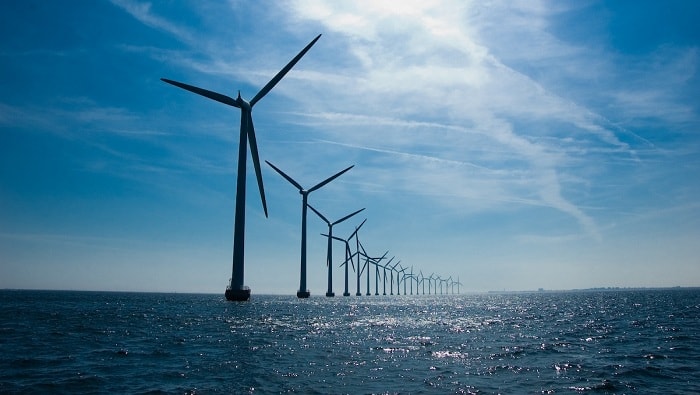



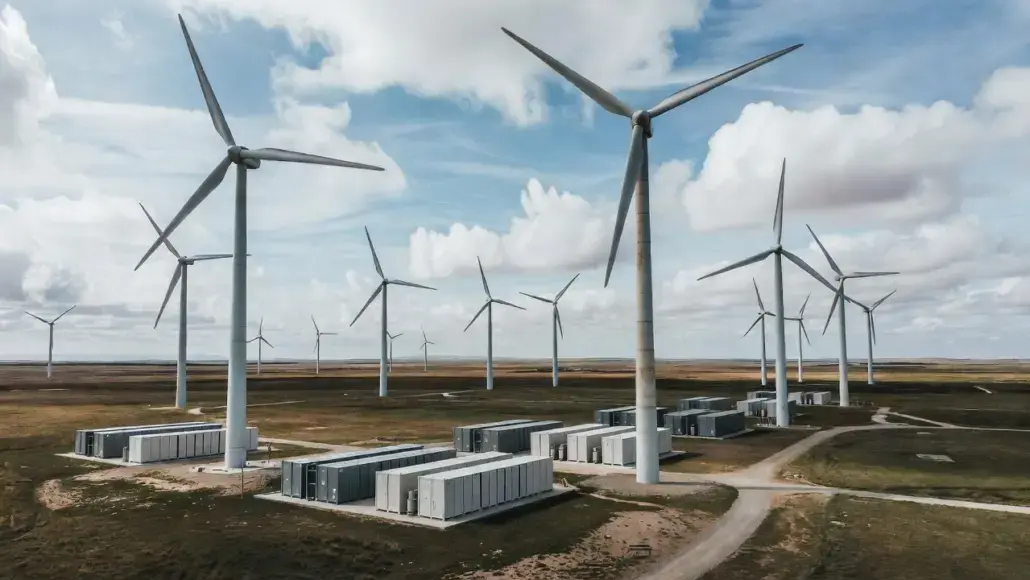
The global transition toward a decarbonized energy system is fundamentally changing the way power is generated and managed across the modern grid. Central to this evolution is the deployment of wind and battery hybrids, a technology that addresses the inherent variability of wind power by integrating sophisticated energy storage solutions directly into the generation infrastructure. As nations strive to meet ambitious climate targets, the ability to provide consistent and dispatchable clean energy has become a primary objective for utility companies and grid operators alike. These wind and battery hybrids not only ensure a more stable supply of electricity but also maximizes the utilization of existing transmission assets, reducing the need for costly infrastructure upgrades. By effectively bridging the gap between variable production and fluctuating demand, these hybrid systems are paving the way for a more resilient and sustainable energy future.
The shift toward hybridized energy assets represents a significant departure from the traditional model of separate generation and storage facilities. In the past, wind farms were viewed as passive contributors to the grid, often subject to the whims of weather patterns and forced to curtail production when supply exceeded demand. However, the introduction of wind and battery hybrids has empowered operators to take a proactive role in energy management. PowerGen Advancement notes that by co-locating lithium-ion batteries or other advanced storage technologies with wind turbines, the industry can now offer a suite of services that were previously the exclusive domain of conventional gas or coal plants. This includes the ability to perform peak shaving, provide black-start capabilities, and participate in lucrative frequency response markets. The result is a more versatile and economically robust energy solution that can respond to the complex needs of a 21st-century power network.
Decoupling Generation from Immediate Consumption
The primary challenge of wind energy has always been its lack of correlation with human consumption patterns. In many regions, the strongest winds occur during the night or early morning hours when residential and industrial demand is at its lowest. Conversely, during the late afternoon and early evening, when energy needs peak, wind production may be insufficient to meet the load. The implementation of wind and battery hybrids solves this fundamental mismatch by allowing for the decoupling of energy production from its delivery to the grid. When wind speeds are high and demand is low, the excess electricity is directed into the battery system rather than being wasted through curtailment. This stored energy is then released back into the network when it is most valuable, ensuring that every megawatt-hour produced contributes to the stability of the system.
This capability to shift energy through time is a cornerstone of the modern grid’s flexibility. It allows grid operators to rely more heavily on renewable sources without compromising the reliability of the power supply. Furthermore, the decoupling of generation and consumption provides a buffer against the rapid fluctuations in wind speed that can cause sudden spikes or drops in voltage. The battery system acts as a high-speed regulator, smoothing out the power profile of the wind farm and providing a consistent output that is easier for the transmission system to handle. As the penetration of renewables increases, the role of co-located storage will only grow in importance, providing the essential firming required to make wind a truly base-load-ready resource.
Technical Synergies and Operational Efficiency of Co-located Systems
The decision to co-locate battery storage with wind generation offers numerous technical and economic advantages over standalone storage installations. From a hardware perspective, integrated wind projects can share critical infrastructure, including transformers, substations, and transmission lines. This shared footprint significantly reduces the capital expenditure associated with the project and simplifies the permitting and interconnection processes. Moreover, by integrating the storage system behind the same point of interconnection as the wind farm, operators can optimize the use of their transmission capacity. During periods of low wind, the battery can discharge to fill the available capacity, while during high wind, it can absorb excess energy that would otherwise exceed the line’s limits.
Beyond the physical infrastructure, the software and control systems that manage these hybrid assets are becoming increasingly sophisticated. Modern power plants utilize advanced predictive algorithms and machine learning to optimize the charging and discharging cycles of the battery. These systems analyze real-time weather data, market prices, and grid conditions to determine the most profitable and efficient way to operate the plant. For instance, the controller may decide to store energy during a period of negative market prices and release it when prices are high, or it may prioritize maintaining a specific state of charge to ensure that the plant can meet its frequency response obligations. This level of intelligent management is essential for maximizing the lifespan of the battery and ensuring the long-term viability of the investment.
Enhancing Dispatchability and Reducing Energy Curtailment
Energy curtailment—the practice of intentionally reducing the output of a power plant below its maximum capability—is one of the most significant barriers to the growth of renewable energy. In regions with high wind penetration, curtailment often occurs because the grid cannot handle the influx of power or because there is no immediate demand for the electricity. This leads to a loss of potential revenue for developers and a delay in the decarbonization of the grid. The adoption of wind and battery hybrids provides a direct and effective remedy for this problem. By providing an on-site destination for excess power, the storage system allows the wind farm to operate at its full potential more of the time, capturing clean energy that would otherwise be lost.
The improved dispatchability offered by these hybrid systems also makes wind energy a much more attractive prospect for utility-scale procurement. Traditional power purchase agreements (PPAs) often include clauses that penalize intermittent resources for failing to meet their scheduled delivery. With the support of an integrated battery, modern wind facilities can guarantee a specific level of power delivery for a set duration, effectively mimicking the performance of a conventional generator. This firming of the resource allows wind developers to secure more favorable financing terms and to participate more effectively in capacity markets. As the energy market continues to evolve, the ability to provide reliable, scheduled power will be a key differentiator for successful renewable energy projects.
Supporting Grid Stability with Ancillary Services
As the world’s power grids lose the inherent inertia provided by traditional rotating generators, the need for fast-acting ancillary services has never been greater. Integrated energy assets are ideally suited to provide these critical functions, which include primary frequency response, voltage regulation, and synthetic inertia. Unlike a mechanical generator, which has a physical response time limited by its inertia, a battery-based inverter can respond to grid disturbances in milliseconds. This rapid injection or absorption of power can prevent frequency deviations from cascading into wide-scale blackouts, providing a vital safety net for the energy network.
In addition to frequency support, co-located battery systems play a crucial role in maintaining voltage stability. By controlling the reactive power output of both the wind turbines and the battery inverters, the hybrid plant can help to maintain the voltage within the required limits at the point of interconnection. This is particularly important in remote areas where the grid may be weak and prone to voltage fluctuations. The combination of active and reactive power control allows the hybrid system to act as a stabilizing anchor for the local network, enabling the integration of even more renewable capacity in the future. The versatility of these assets ensures that they are not just energy producers, but active participants in the health and security of the entire power system.
Economic Viability and Market Dynamics of Hybrid Projects
The economic case for hybrid power plants is becoming increasingly compelling as the cost of storage technology continues to fall. While the initial investment for a hybrid project is higher than for a standalone wind farm, the potential for diversified revenue streams often outweighs the added cost. Operators of hybrid plants can capitalize on price arbitrage by buying low and selling high, while simultaneously earning payments for providing frequency response and other grid services. In many markets, the ability to stack these different revenue sources is what makes the project financially viable in the absence of government subsidies.
Furthermore, the integration of storage can lead to significant savings in transmission and distribution costs. By reducing the peak output of the wind farm through clipping and storing the excess energy, integrated storage assets can avoid the need for expensive upgrades to the local transmission lines. This is especially beneficial in regions where the grid is already operating at or near its capacity. As regulators and policymakers begin to recognize the full value of the flexibility and stability provided by hybrid systems, we can expect to see new market designs and incentive structures that further encourage their adoption. The future of the energy market will be defined by those who can provide the most flexible and reliable power at the lowest cost, and hybrid systems are at the forefront of this trend.
Future Outlook: Toward a Fully Resilient and Flexible Grid
Looking ahead, PowerGen Advancement believes that the role of flexible energy hubs will only become more central to the global energy strategy. As the world moves toward 100% renewable energy, the need for massive amounts of storage and flexibility will be the defining challenge of the industry. We are likely to see the development of even larger and more complex hybrid projects, incorporating not just wind and batteries, but also solar, hydrogen production, and advanced demand-response systems. These multi-resource energy hubs will act as the power plants of the future, providing a comprehensive and reliable energy solution that can meet all the needs of a modern society.
The ongoing advancements in battery chemistry, such as the development of solid-state or flow batteries, will further enhance the capabilities of wind and battery hybrids. These new technologies promise even greater energy density, longer lifespans, and improved safety, making them even more suitable for large-scale grid applications. At the same time, the integration of artificial intelligence and blockchain technology will enable more efficient and transparent energy trading, allowing hybrid assets to interact with the grid and with each other in real-time. The transition to a decarbonized world is not just about changing our energy sources. It is about reinventing the entire energy system, and co-located storage solutions are the building blocks of this new, resilient, and flexible paradigm.