
















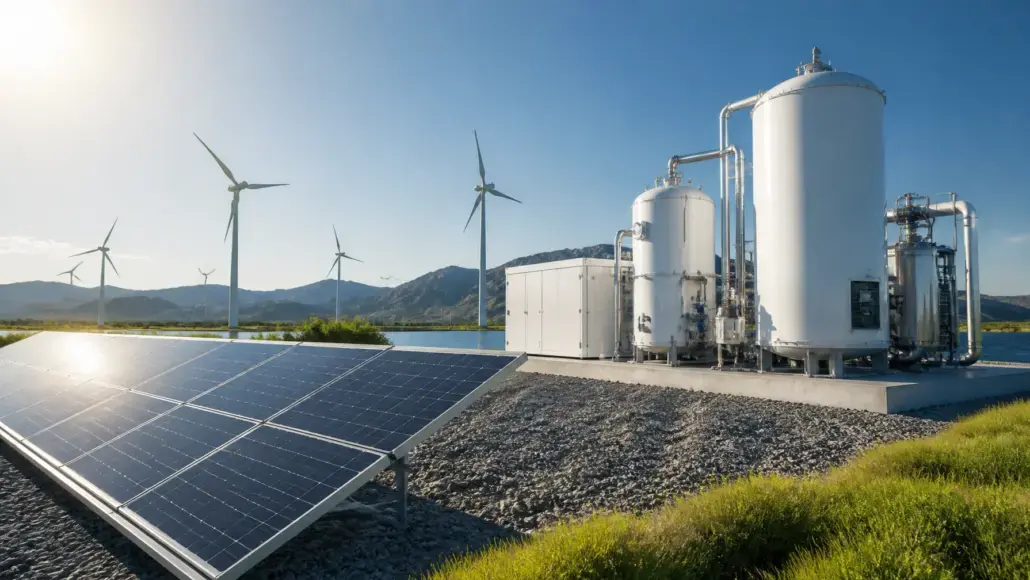
The intersection of photovoltaic technology and hydrogen production represents one of the most promising frontiers in the clean energy transition, with solar power green hydrogen integration acting as the primary catalyst for the development of sustainable industrial hubs. As the cost of solar energy continues to plummet and the efficiency of electrolyser systems improves, the economic case for using the sun’s energy to split water into hydrogen and oxygen has become increasingly compelling. This synergy allows for the creation of localized energy systems that are both zero-emission and highly resilient, providing a reliable source of fuel and feedstock for a wide range of industrial applications. Optimizing the integration of these two technologies is essential for maximizing the output of green hydrogen and ensuring that solar-based hubs can compete effectively with traditional energy sources.
At the heart of a solar-powered hydrogen hub is the challenge of managing the inherent variability of solar generation. Unlike hydroelectric or geothermal energy, which provide a relatively steady output, solar power fluctuates significantly throughout the day and across the seasons. Optimizing solar power green hydrogen integration therefore requires a sophisticated approach to system design, incorporating advanced power electronics, intelligent control systems, and large-scale energy storage. PowerGen Advancement notes that by carefully matching the duty cycle of the electrolysers with the solar generation profile, developers can maximize the utilization of their assets and drive down the levelized cost of hydrogen (LCOH). This optimization process is a multi-dimensional endeavor that involves everything from the layout of the solar arrays to the thermodynamic management of the electrolysis process.
Strategic Design and Configuration of Solar-Electrolysis Systems
The physical configuration of a solar-powered hydrogen project is the first step in the optimization process. One of the most common approaches is the direct coupling of photovoltaic (PV) systems with electrolysers, often using DC-to-DC converters to minimize the energy losses associated with converting power to alternating current (AC) and back again. By operating the entire production chain on direct current, developers can improve overall system efficiency by several percentage points, which translates into significant cost savings over the life of the project. Furthermore, the use of advanced tracking systems that allow solar panels to follow the movement of the sun throughout the day can significantly increase the total amount of energy harvested, providing more power for hydrogen production during the peak hours of the day.
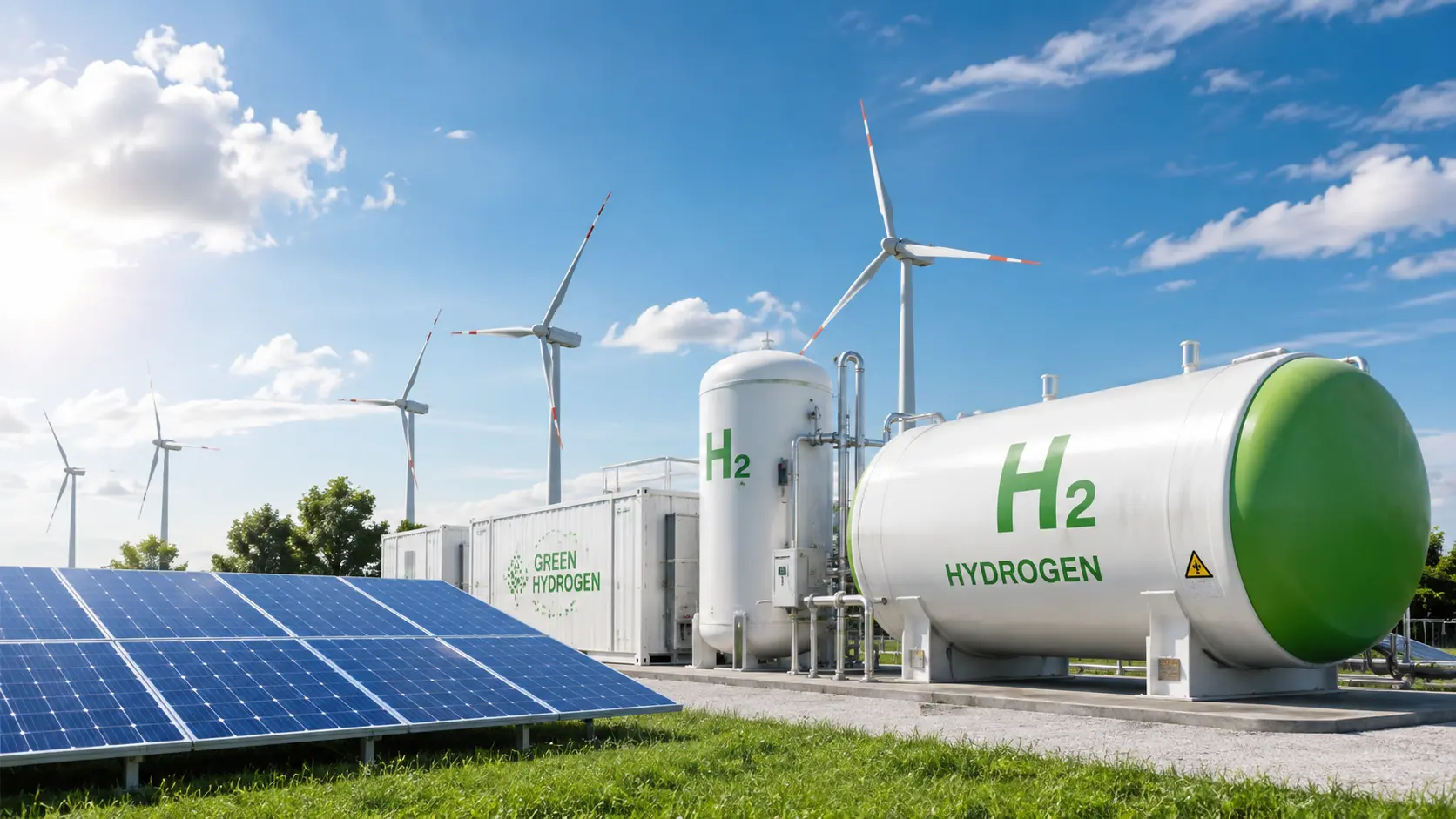
The selection of the electrolyser technology is also a critical factor in the optimization of solar power green hydrogen integration. Proton Exchange Membrane (PEM) electrolysers are particularly well-suited for integration with solar power due to their ability to ramp up and down quickly in response to fluctuations in energy input. This flexibility allows the system to capture the maximum amount of energy during transient periods, such as when clouds pass over the solar array. In contrast, traditional alkaline electrolysers are often more efficient when operated at a steady state, making them better suited for projects where solar power is combined with other, more predictable energy sources. The strategic pairing of PV technology with the right electrolysis pathway is essential for achieving the highest possible system performance.
Maximizing Efficiency through Advanced Energy Management
Beyond the physical configuration, the optimization of solar-powered hubs is heavily dependent on the use of advanced energy management systems (EMS). These intelligent control platforms use real-time data on weather conditions, energy generation, and hydrogen demand to optimize the operation of the entire facility. By using predictive analytics, an EMS can anticipate periods of high solar output and schedule hydrogen production accordingly, ensuring that every kilowatt-hour of renewable energy is put to its most valuable use. This level of optimization is particularly important in regions with high solar variability, where the ability to react quickly to changing conditions can make the difference between a profitable project and one that struggles to meet its targets.
Digital twin technology is another powerful tool for optimization. By creating a virtual replica of the physical hub, engineers can simulate different operating scenarios and identify the most efficient configurations before they are implemented in the real world. These simulations can take into account everything from the impact of dust accumulation on solar panels to the degradation of electrolyser membranes over time. The insights gained from these digital models allow for the continuous refinement of the hub’s operation, improving reliability and extending the lifespan of the assets. In an ecosystem supported by solar power green hydrogen integration, the integration of digital technology is just as important as the physical hardware itself.
The Role of Storage in Managing Seasonal Variability
One of the most significant challenges in solar-powered hydrogen production is the mismatch between the summer-heavy solar generation profile and the relatively constant demand for hydrogen in industrial processes. To address this, solar hydrogen hubs must incorporate large-scale storage solutions that can bridge the gap across different time scales. Battery storage systems are excellent for short-term balancing, managing the hour-to-hour fluctuations in solar output. However, for the seasonal storage needed to maintain supply during the winter months, hydrogen itself becomes the storage medium.
By storing excess hydrogen produced during the sunny summer months in salt caverns, depleted gas fields, or high-pressure tanks, hubs can ensure a steady and reliable supply throughout the year. This ability to decouple generation from consumption is one of the most powerful advantages of the hydrogen pathway, providing a way to bank solar energy for later use. Optimizing the size and operation of these storage facilities is a key part of the hub design process, requiring a careful balance between capital cost and system reliability. The strategic use of storage allows solar-powered hubs to provide a baseload supply of clean energy, making them a viable alternative to fossil-fuel-based systems.
Enhancing Performance through Material Innovation and Thermal Integration
Ongoing innovation in material science is also playing a major role in the optimization of solar power green hydrogen integration. Researchers are developing new, high-efficiency photovoltaic materials, such as perovskites, which can harvest a wider spectrum of light and potentially reach higher efficiencies than traditional silicon cells. Simultaneously, the development of more durable and lower-cost catalysts for electrolysis is helping to reduce the capital and operating costs of hydrogen production. These technological breakthroughs are essential for continuing to drive down the LCOH and making solar hydrogen competitive with all other forms of energy.
Thermal integration is another area where significant performance gains can be achieved. The electrolysis process generates a significant amount of waste heat, which, if not managed correctly, can reduce system efficiency. In an optimized solar-powered hub, this heat can be captured and used for other industrial processes, such as desalination or space heating. Alternatively, the waste heat can be used to pre-heat the water entering the electrolyser, which reduces the electrical energy required for the splitting process. By taking a holistic approach to energy management that includes both electricity and heat, solar hydrogen projects can reach much higher levels of overall efficiency.
Addressing the Environmental and Social Impacts of Solar Hubs
The development of solar power green hydrogen integration hubs must be accompanied by a commitment to environmental and social sustainability. While solar power is a clean energy source, the construction of massive PV arrays requires a significant amount of land, which can have impacts on local ecosystems and biodiversity. Optimizing land use through strategies like agrivoltaics—where solar panels are co-located with agricultural activities—can help to minimize these impacts and provide additional benefits to local communities. Furthermore, the water required for electrolysis must be sourced sustainably, particularly in arid regions where solar potential is highest. Desalination powered by solar energy is often the most viable solution for providing the high-purity water needed for electrolysis without competing with local water needs.
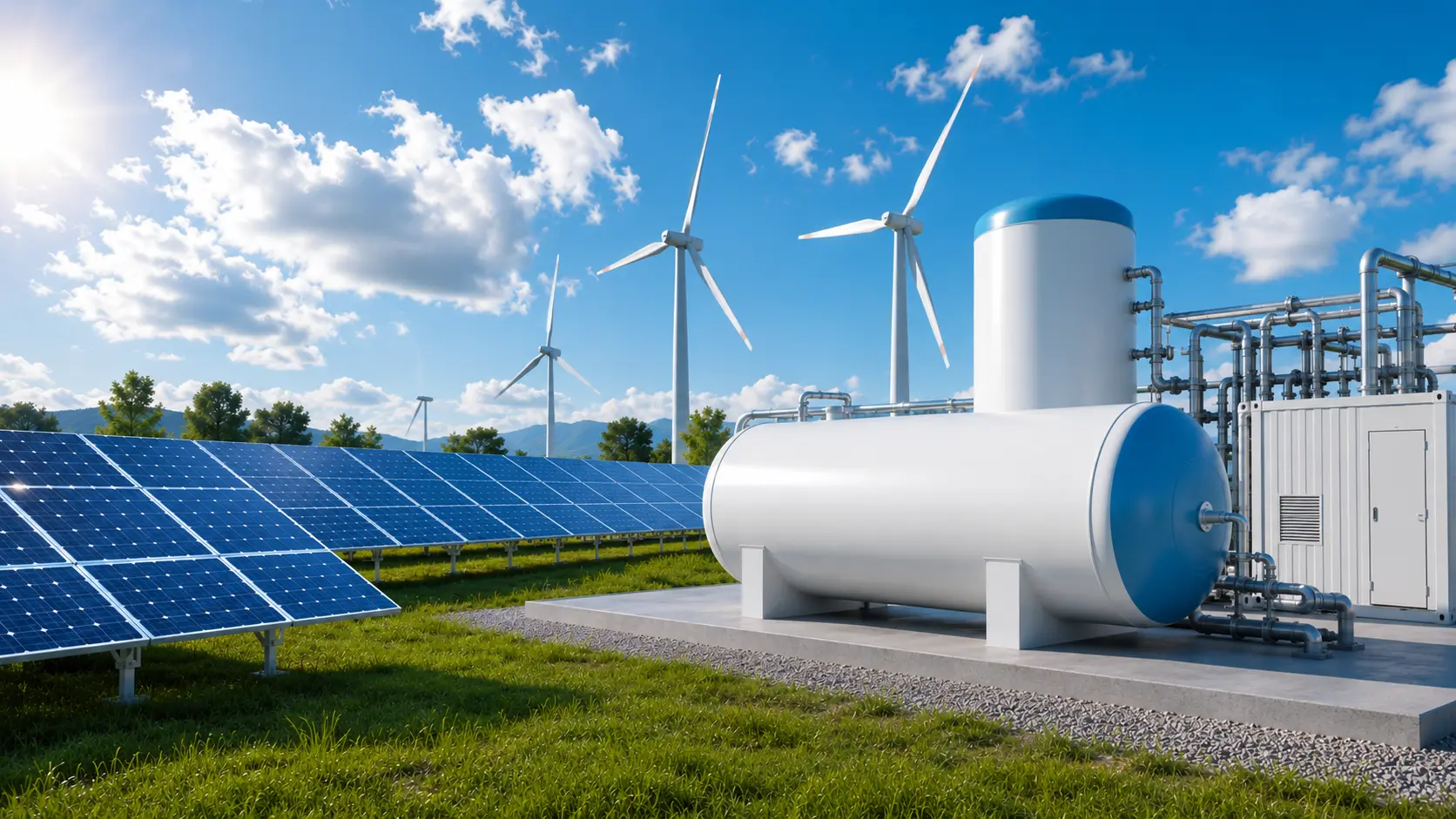
Social acceptance and community engagement are equally vital for the success of solar hydrogen projects. The development of large-scale hubs can bring significant economic opportunities to remote regions, including the creation of high-quality jobs and the improvement of local infrastructure. However, building public trust requires transparent communication and the meaningful involvement of local residents in the decision-making process. By ensuring that the benefits of the project are shared fairly and that the environmental impacts are minimized, developers can build the social license needed to scale solar hydrogen rapidly and sustainably.
Future Perspectives: The Role of Solar Hydrogen in a Net-Zero World
Looking toward 2050, the vision for solar power green hydrogen integration is one where the sun’s energy is the primary driver of a global, carbon-neutral economy. In this future, optimized solar hydrogen hubs will be the foundation of a new energy system, providing clean and abundant fuel for every sector of society. The challenges of variability and storage will have been solved through a combination of diverse renewable resources, long-duration storage, and advanced digital controls. Solar-powered hydrogen will be a primary commodity, traded globally and used locally to power everything from heavy industry to domestic heating.
The journey toward this future is already underway, driven by the ingenuity of engineers and the commitment of nations around the world. Every optimized solar array, every efficient electrolyser, and every intelligent control system is a step toward this new energy paradigm. The optimization of solar power for green hydrogen hubs is not just a technical project; it is a global mission to build a future where energy is no longer a source of conflict or environmental destruction, but a driver of human progress and planetary health. As we continue to innovate and collaborate, PowerGen Advancement believes that the promise of a solar-powered hydrogen world is becoming an operational reality for people everywhere, providing a sustainable foundation for the generations to come.