
























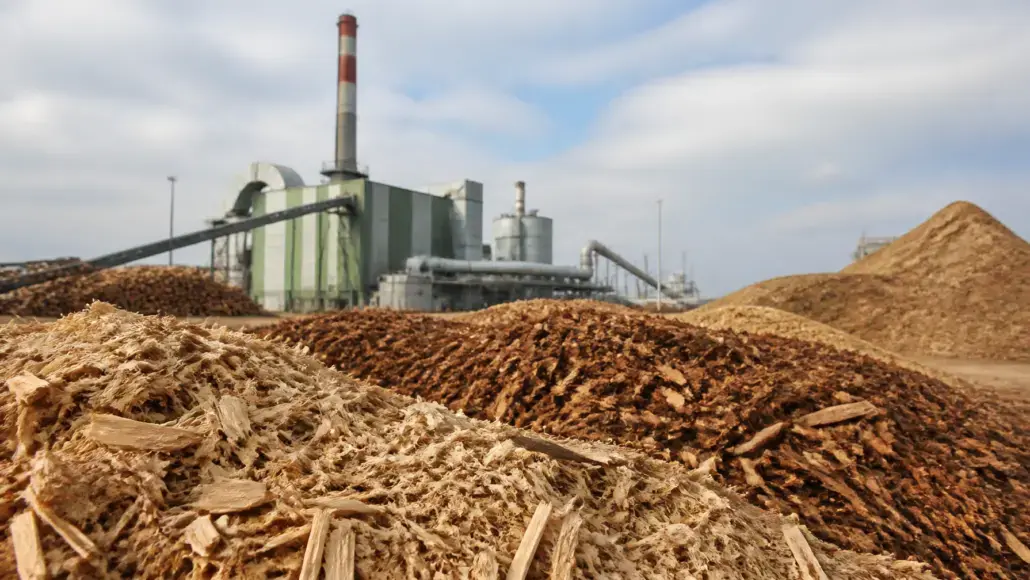
The efficiency and reliability of any bioenergy production facility are fundamentally rooted in the characteristics of the raw materials entering the combustion chamber. Optimizing biomass fuel quality for better combustion is a critical operational strategy that directly influences the thermal output, emission profile, and lifespan of boiler components. Unlike fossil fuels, which possess relatively uniform energy densities, biomass is inherently heterogeneous, with properties that vary significantly based on the source, season, and handling history. PowerGen Advancement notes that by implementing rigorous feedstock management protocols and advanced fuel processing techniques, energy producers can transform low-grade organic waste into high-quality fuel that ensures consistent and efficient energy generation.
The pursuit of superior biomass fuel quality is not merely about increasing heat output; it is also about protecting the multi-million dollar investments in power plant infrastructure. Suboptimal fuel can lead to slagging, fouling, and corrosion within the boiler, resulting in frequent unscheduled maintenance and reduced plant availability. Furthermore, poor fuel quality often results in incomplete combustion, which increases the release of harmful pollutants such as carbon monoxide and nitrogen oxides. Therefore, a comprehensive approach to optimizing biomass fuel quality for better combustion is essential for both the economic viability and environmental integrity of the modern bioenergy industry.
The Critical Parameters of Biomass Fuel Quality
Understanding the chemical and physical properties of biomass is the first step toward optimization. The most impactful factor in bioenergy production is undoubtedly the moisture content of the fuel. High moisture levels require a significant portion of the combustion heat to be diverted to evaporate water, which drastically reduces the net calorific value and leads to lower combustion temperatures. Real-time moisture content monitoring using Near-Infrared (NIR) sensors has become a standard practice in modern plants, allowing operators to adjust airflow and fuel feed rates instantly to maintain combustion efficiency. By maintaining moisture content within a tight range, producers can ensure a more stable flame and more predictable energy yields.
In addition to moisture, the ash content and chemical composition of the biomass play a vital role in determining biomass fuel quality. Ash is the non-combustible residue that remains after the organic matter is burned, and its presence reduces the overall energy density of the fuel. More importantly, the presence of alkali metals like potassium and sodium in the ash can lead to the formation of low-melting-point compounds that stick to boiler tubes—a process known as slagging. Optimizing biomass fuel quality for better combustion often involves selecting feedstocks with lower mineral content or using fuel processing techniques like washing to remove water-soluble inorganic components before the material reaches the boiler.
Advanced Fuel Processing and Pre-treatment Technologies
To bridge the gap between raw feedstock and high-performance fuel, the industry is increasingly turning to advanced fuel processing technologies. Torrefaction, or mild pyrolysis, is one of the most effective methods for enhancing biomass fuel quality. During this process, biomass is heated in an oxygen-deprived environment, which breaks down its fibrous structure and removes most of the moisture. The resulting torrefied biomass, often referred to as green coal, has a significantly higher energy density and is hydrophobic, meaning it does not reabsorb moisture during storage. This makes it an ideal fuel for long-distance transport and high-efficiency combustion in existing coal-fired boilers.
Pelletization is another cornerstone of feedstock management that improves the handleability and consistency of biomass. By compressing shredded biomass into uniform pellets, producers can achieve much higher bulk densities, which reduces transportation costs and simplifies the automated feeding systems of the power plant. When combined with torrefaction, pelletization produces a premium product with exceptional biomass fuel quality that rivals traditional solid fuels. These pre-treatment steps not only enhance the combustion efficiency but also allow for a more diverse range of feedstocks—such as agricultural residues and invasive species—to be integrated into the bioenergy supply chain without compromising performance.
Strengthening the Biomass Supply Chain and Feedstock Management
The quality of the fuel is often determined long before it reaches the power plant, making the biomass supply chain a critical area for optimization. Effective feedstock management begins at the point of harvest, where the timing and method of collection can influence the initial moisture and dirt content of the material. For example, allowing agricultural residues to dry in the field can significantly reduce the energy required for mechanical drying later in the process. However, this must be balanced against the risk of contamination from soil or weather events. A robust supply chain network that includes local hubs for collection, drying, and storage is essential for maintaining consistent biomass fuel quality throughout the year.
Storage management is equally vital, as biomass is susceptible to biological degradation and spontaneous combustion if not handled correctly. Proper ventilation and moisture control in storage facilities prevent the growth of fungi and bacteria that can consume the organic matter and reduce its energy value. By implementing a first-in, first-out inventory system and utilizing smart sensors to monitor temperature and humidity in storage piles, plant operators can ensure that the biomass delivered to the combustion chamber is in peak condition. This level of diligence in feedstock management is what separates top-tier bioenergy producers from the rest, ensuring that every ton of biomass processed contributes maximally to the bottom line.
Real-Time Monitoring and Digital Optimization
In the era of Industry 4.0, the optimization of biomass fuel quality for better combustion is increasingly data-driven. Advanced sensor technologies are now capable of measuring multiple fuel parameters—including density, particle size, and chemical composition—as the material moves along conveyor belts. This data is fed into AI-driven control systems that create a digital twin of the combustion process, allowing for predictive adjustments that were previously impossible. For instance, if a batch of fuel with a slightly higher ash content is detected, the system can pre-emptively increase the soot-blowing frequency to prevent fouling.
These digital tools also enable better coordination between the fuel processing facility and the power plant. By tracking the exact provenance and quality profile of every batch of fuel, operators can optimize their combustion efficiency on the fly. This transparency in the biomass supply chain not only improves operational standards but also provides the data necessary for environmental compliance and sustainability reporting. As the bioenergy production sector continues to mature, the integration of these smart technologies will be the defining factor in achieving the highest levels of biomass fuel quality and grid reliability.
The Role of Additives and Blending Strategies
A final, yet highly effective, strategy for optimizing biomass fuel quality for better combustion involves the use of chemical additives and sophisticated blending. When dealing with difficult feedstocks that have high levels of chlorine or alkali metals, the addition of minerals like kaolin or lime can raise the melting point of the ash, thereby reducing the risk of slagging and corrosion. These additives react with the problematic elements during combustion, neutralizing their harmful effects before they can damage the boiler infrastructure. This chemical optimization is particularly useful for facilities that rely on a wide variety of opportunity fuels like waste wood or straw.
Blending different biomass types is another powerful method for stabilizing the fuel profile. By mixing high-quality wood chips with lower-grade agricultural waste, producers can achieve a consistent energy density and ash profile that matches the design specifications of their boilers. This blending strategy allows for greater flexibility in feedstock management and helps to insulate the plant from supply shocks or price fluctuations in any single fuel category. Through a combination of physical pre-treatment, chemical additives, and strategic blending, the industry can ensure that biomass fuel quality remains high, regardless of the challenges presented by the raw feedstock market.
Conclusion: Elevating Bioenergy Performance Through Quality
In conclusion, optimizing biomass fuel quality for better combustion is a multifaceted challenge that requires a deep understanding of thermodynamics, chemistry, and logistics. From the initial feedstock management at the source to the final pre-treatment and digital monitoring at the plant, every step of the process offers an opportunity to enhance efficiency and reliability. As the global demand for clean, dispatchable energy grows, the ability to produce high-quality fuel from diverse organic waste streams will be a primary competitive advantage. By investing in advanced fuel processing and smart supply chain management, the bioenergy sector can continue to improve its performance and solidify its role in the sustainable energy landscape.
The journey toward better biomass fuel quality is an ongoing process of innovation and refinement. As new technologies like torrefaction and AI-driven monitoring become more accessible, PowerGen Advancement believes that the standards for bioenergy production will continue to rise. For energy producers, the message is clear: the quality of your output is only as good as the quality of your input. By prioritizing the optimization of biomass fuel quality, we can ensure that every ton of bioenergy produced is as efficient, clean, and reliable as possible.