





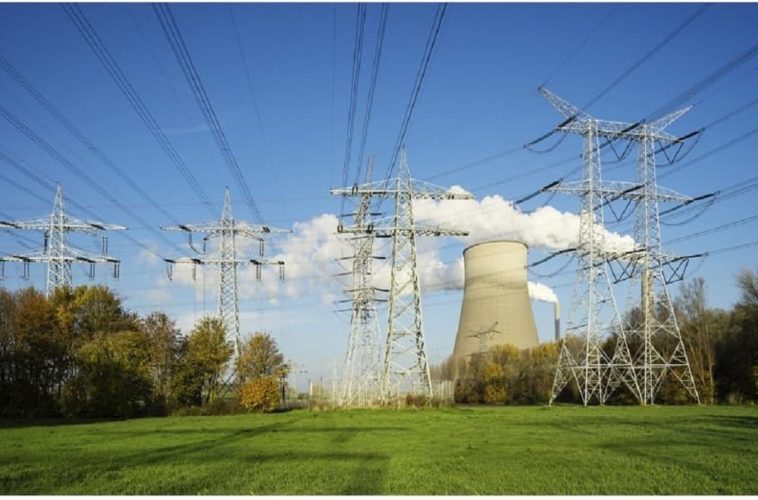




The global imperative to mitigate climate change has shifted the focus from merely reducing carbon emissions to actively removing carbon dioxide from the atmosphere. Implementing biomass carbon capture for sustainability, often referred to as Bioenergy with Carbon Capture and Storage (BECCS), represents one of the most promising pathways toward achieving net-zero and even net-negative emissions. PowerGen Advancement notes that by capturing the CO2 produced during the combustion or gasification of biomass and storing it permanently underground, we can effectively reverse the accumulation of greenhouse gases. This approach not only supports green power generation but also addresses the urgent need for scalable carbon sequestration solutions that can meet ambitious international renewable targets.
As we move toward a more sustainable future, the integration of BECCS technology into existing and new power plants becomes a cornerstone of bioenergy sustainability. Unlike traditional fossil fuel carbon capture, which only reduces the carbon footprint of the energy produced, biomass carbon capture provides a unique opportunity to draw down historical emissions. This negative emissions profile is essential for offsetting hard-to-abate sectors such as heavy industry and aviation. Furthermore, implementing biomass carbon capture for sustainability ensures that the bioenergy sector remains a competitive and vital part of the energy mix, providing reliable baseload power while contributing to the cooling of the planet.
The Technical Architecture of BECCS Technology
The technical implementation of biomass carbon capture involves a series of sophisticated processes designed to isolate and concentrate CO2 from flue gases or synthesis gases. BECCS technology typically utilizes post-combustion capture, where chemical solvents such as amines are used to scrub the carbon dioxide from the exhaust stream. More advanced methods, such as oxy-fuel combustion or pre-combustion capture in gasification systems, are also gaining traction due to their potential for higher efficiency and lower operational costs. For biomass carbon capture to be effective, these systems must be seamlessly integrated into the plant’s existing infrastructure, requiring careful management of heat integration and parasitic energy loads.
Beyond the capture phase, the long-term success of bioenergy sustainability depends on the integrity of carbon sequestration. Once captured, the CO2 is compressed into a supercritical state and transported via pipeline to geological storage sites, such as depleted oil and gas reservoirs or deep saline aquifers. Implementing biomass carbon capture for sustainability requires a robust monitoring, reporting, and verification (MRV) framework to ensure that the stored carbon remains sequestered for centuries. This comprehensive approach to lifecycle carbon management is what distinguishes true BECCS from temporary carbon offsets, making it a gold standard for negative emissions in the corporate and national climate accounting sectors.
Economic Viability and Negative Emissions Credits
The economic landscape for implementing biomass carbon capture for sustainability is rapidly evolving, driven by the emergence of carbon removal markets and government subsidies. While the initial capital expenditure for BECCS technology can be significant, the ability to generate negative emissions credits provides a powerful financial incentive. These credits, which represent a ton of CO2 permanently removed from the atmosphere, are highly valued by companies seeking to meet their net-zero commitments. As policy frameworks like the EU’s voluntary standard for carbon removals become more established, the revenue from these credits is expected to offset much of the cost associated with carbon sequestration and green power generation.
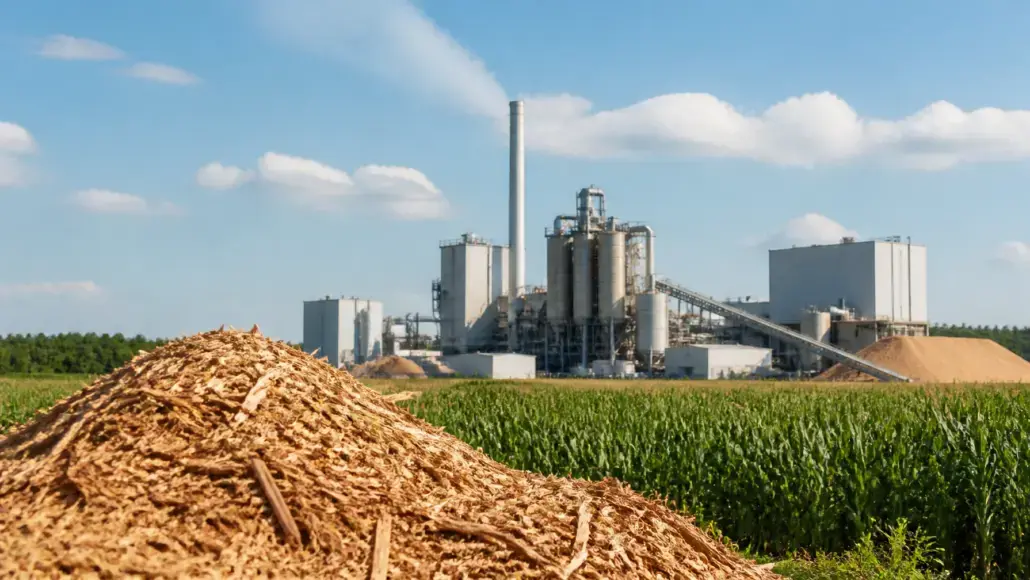
Furthermore, the integration of biomass carbon capture can enhance the overall bioenergy sustainability of a region by creating new economic opportunities for foresters and farmers. By providing a market for agricultural residues and sustainable wood waste, BECCS facilities support local economies while ensuring that the fuel source is managed responsibly. However, the economic model must be carefully balanced to ensure that the demand for biomass does not lead to deforestation or competition with food production. Implementing biomass carbon capture for sustainability therefore requires a holistic view of the supply chain, ensuring that every step—from feedstock production to carbon storage—adheres to strict environmental and social standards.
Overcoming Integration and Operational Challenges
Despite its potential, implementing biomass carbon capture for sustainability faces several technical and operational hurdles. One of the primary challenges is the energy penalty associated with the capture process, which can reduce the net energy output of a power plant by 15% to 25%. Overcoming this requires the development of next-generation solvents and membrane technologies that require less energy for regeneration. Additionally, biomass flue gases often contain impurities like sulfur and fly ash that can degrade carbon capture solvents. Effective pre-treatment and smart management of the combustion process are therefore essential for maintaining the longevity and efficiency of BECCS technology systems.
Another challenge lies in the infrastructure required for large-scale carbon sequestration. Building the pipelines and storage facilities necessary for a global BECCS industry is a massive undertaking that requires significant public and private investment. In many regions, the lack of proximity to suitable geological storage sites is a major barrier to the adoption of biomass carbon capture. To address this, researchers are exploring carbon utilization (BECCUS) as an alternative, where captured CO2 is used to create synthetic fuels, building materials, or even as a feedstock for carbon-rich products. While utilization does not always result in permanent sequestration, it can improve the financial viability of carbon capture projects in the short term.
Global Policy Landscape and Renewable Targets
The role of biomass carbon capture in meeting renewable targets is increasingly recognized by international bodies like the IPCC and IEA. National governments are now incorporating BECCS into their long-term climate strategies, offering tax credits, grants, and feed-in tariffs to encourage early adoption. For instance, the United States’ Inflation Reduction Act has significantly increased the 45Q tax credit for carbon sequestration, making many BECCS projects economically feasible for the first time. Similarly, the European Union’s focus on carbon farming and industrial carbon management is creating a fertile environment for implementing biomass carbon capture for sustainability across the continent.
These policy shifts are essential for de-risking the technology and attracting the large-scale investment needed for deployment. However, policy must also evolve to provide clear and consistent rules for carbon accounting. Ensuring that the negative emissions from biomass carbon capture are accurately credited—and that the carbon footprint of the entire supply chain is accounted for—is vital for maintaining public trust. As more countries set legally binding net-zero targets, the demand for high-quality, permanent carbon removals will continue to grow, positioning BECCS as a central pillar of the global response to the climate crisis and a primary driver of bioenergy sustainability.
The Interdependence of Sustainable Forestry and Carbon Capture
The long-term viability of implementing biomass carbon capture for sustainability is inextricably linked to the management of the natural landscapes from which the fuel is derived. For bioenergy to truly result in negative emissions, the carbon cycle must be closed through sustainable land use practices. This means that the rate of carbon uptake in newly planted or regenerating forests must exceed the rate of carbon release during harvest and combustion. Smart management of forestry resources involves the use of precision agriculture and satellite monitoring to track biomass growth and soil health, ensuring that the supply chain remains a net sink of carbon even before the BECCS technology is applied.
Furthermore, the expansion of the bioenergy sector must be managed to avoid the displacement of carbon-rich ecosystems or high-biodiversity areas. Prioritizing the use of agricultural residues, thinning from fire-prone forests, and dedicated energy crops grown on marginal land can enhance bioenergy sustainability without compromising food security or natural habitats. This holistic approach to land management not only improves the carbon balance of biomass carbon capture projects but also provides auxiliary benefits such as habitat restoration, improved water quality, and wildfire risk reduction. By viewing BECCS as part of a broader biocircular economy, we can ensure that the technology supports both climate goals and ecological health.
Technological Innovations and the Future of Carbon Removal
As we look toward the future, the continuous improvement of BECCS technology will be driven by innovations in materials science and process engineering. One of the most promising areas of research is the development of Metal-Organic Frameworks (MOFs) and advanced solid adsorbents that can capture CO2 with significantly lower energy requirements than traditional liquid amines. These materials can be tuned to selectively target CO2 molecules even in the presence of water vapor and oxygen, making them ideal for the diverse flue gas profiles of biomass power plants. Implementing biomass carbon capture for sustainability with these next-generation materials could drastically reduce the energy penalty and improve the economic competitiveness of bioenergy sequestration.
In addition to capture technologies, advancements in decentralized carbon management are opening new doors for smaller-scale biomass facilities. Modular BECCS units, which can be pre-fabricated and transported to site, allow small-to-medium biorefineries to participate in the carbon removal market without the need for massive capital investment. This democratization of biomass carbon capture is essential for scaling the technology rapidly across different geographic regions and industries. By combining these modular systems with local carbon utilization networks—such as using CO2 for greenhouses or sustainable aviation fuel production—we can create a resilient and flexible carbon management infrastructure that supports the global transition to net-negative emissions.
Conclusion: The Path to Net-Negative Bioenergy
In conclusion, implementing biomass carbon capture for sustainability is no longer a futuristic concept but a necessary component of a comprehensive climate strategy. By combining the benefits of green power generation with permanent carbon sequestration, BECCS offers a unique and scalable solution for achieving negative emissions. As we refine BECCS technology and overcome the remaining technical and economic barriers, we will unlock the full potential of bioenergy to not only power our world but also to heal it. The transition to a net-negative energy system will require collaboration across sectors, but the rewards—a stable climate and a sustainable future—are well worth the effort.
The success of biomass carbon capture will ultimately depend on our ability to implement these systems responsibly and transparently. PowerGen Advancement believes that by adhering to the highest standards of bioenergy sustainability and ensuring that carbon sequestration is permanent and verifiable, we can build a future where energy production and environmental restoration go hand in hand. The journey toward net-zero is complex, but with biomass carbon capture at its core, the destination is within our reach.