










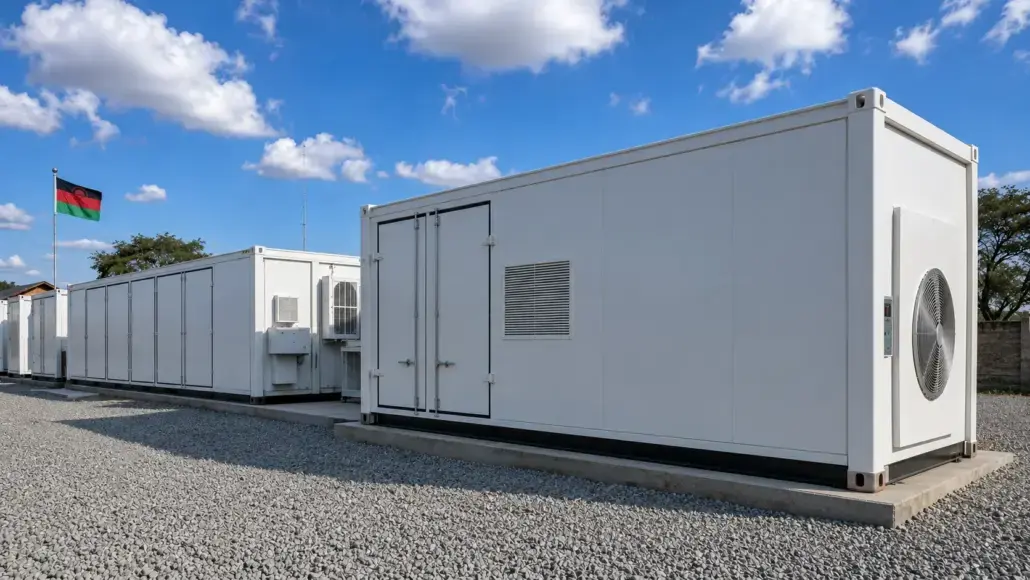
Malawi has taken a significant step in modernizing its electricity infrastructure with the launch of its first utility-scale battery energy storage system. The 20-megawatt, 40-megawatt-hour facility, situated in Kanengo, Lilongwe, was developed through a partnership between the Electricity Supply Corporation of Malawi and the Global Energy Alliance for People and Planet.
The new utility scale Battery Energy Storage System (BESS) marks an important milestone in strengthening the country’s power network while supporting greater deployment of clean energy resources. Funded through a $20 million grant from the Alliance, the installation is among the first large-scale battery storage systems in Southern Africa specifically designed to improve grid stability. The project is intended to address one of Malawi’s most pressing electricity challenges by overcoming transmission network weaknesses that have limited the delivery of available electricity to consumers. By introducing a utility scale BESS, the country aims to improve the performance of its electricity system and make better use of the renewable power already being generated.
Storage System to Unlock Renewable Electricity and Cut Diesel Dependence
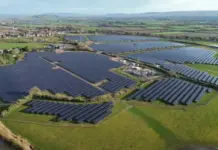
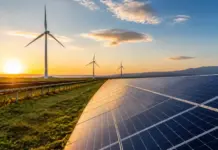
Over recent years, Malawi has expanded renewable energy generation, particularly from solar power. Even so, constraints within the transmission network have frequently prevented utilities from utilizing all available electricity. Those limitations have often forced reductions in clean energy generation while increasing reliance on costly diesel generators during periods of peak demand. The newly commissioned utility scale BESS has been designed to store surplus electricity when renewable energy production is high and release it back into the grid when demand rises. This approach is expected to strengthen power supply reliability, minimize renewable energy losses, and improve the stability of the national electricity network.
Officials estimate that the battery installation could unlock approximately 100 megawatts of renewable electricity that had previously remained inaccessible because of grid limitations. In addition, the project is expected to reduce diesel consumption and prevent more than 10,000 metric tonnes of carbon dioxide emissions every year. Reduced dependence on imported diesel is also anticipated to lower operating costs for the national utility while helping protect consumers from increasing fuel prices.
Project Advances National Energy Goals and Climate Resilience
The battery storage initiative supports Malawi’s National Energy Compact, which seeks to increase electricity access from less than 26 percent to 70 percent by 2030. Currently, only around 11 percent of the population has access to the main electricity grid, while rural communities continue to experience very limited electricity availability. The government plans to expand both grid and off-grid electricity connections alongside increasing power generation capacity, with the new utility scale BESS expected to play an important role in making renewable energy more dependable. Malawi’s electricity sector has long relied heavily on hydropower, making the country vulnerable to droughts and fluctuating water levels. Integrating battery storage with solar and other renewable energy sources is expected to strengthen the resilience of the electricity system while improving long-term reliability. The newly launched facility represents a major step toward cleaner and more dependable electricity and could serve as a model for other countries across the region that are seeking to modernize their power networks.