
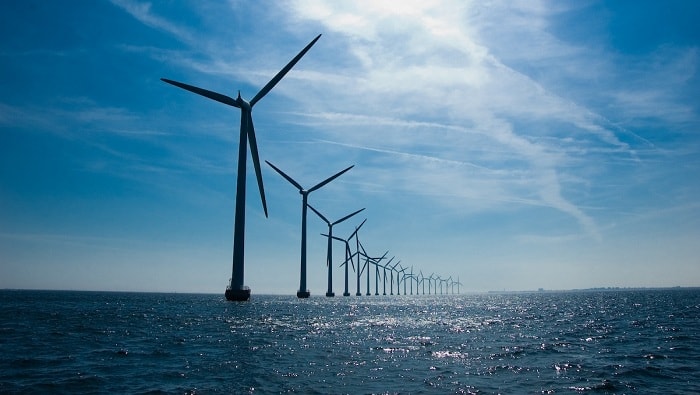



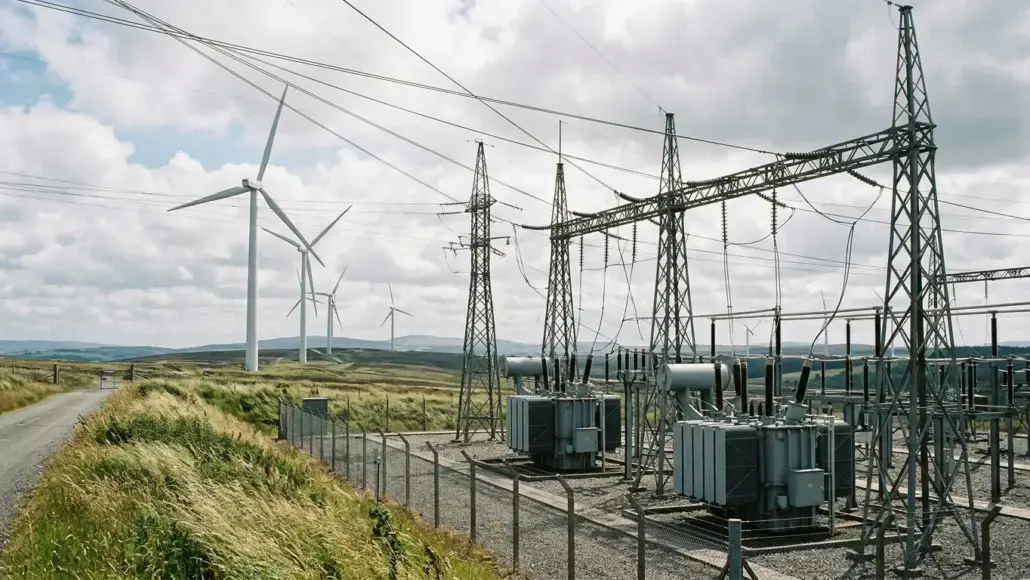
Our planet faces an urgent imperative to transition towards cleaner energy sources. Renewable energy generation, from solar arrays stretching across sun-drenched plains to wind turbines gracing distant horizons, is expanding at an unprecedented pace. Yet, as these vital projects come online, a formidable bottleneck frequently emerges: the electricity grid itself. This aging, often overstressed infrastructure, designed for a bygone era of centralized fossil fuel generation, struggles to accommodate the dynamic and dispersed nature of modern renewables. It is here that grid-enhancing technologies (GETs) unlock renewable capacity, offering not just a glimmer of hope, but a pragmatic, implementable pathway to accelerate our clean energy future.
The Looming Challenge: A Grid Unready for the Renewable Revolution
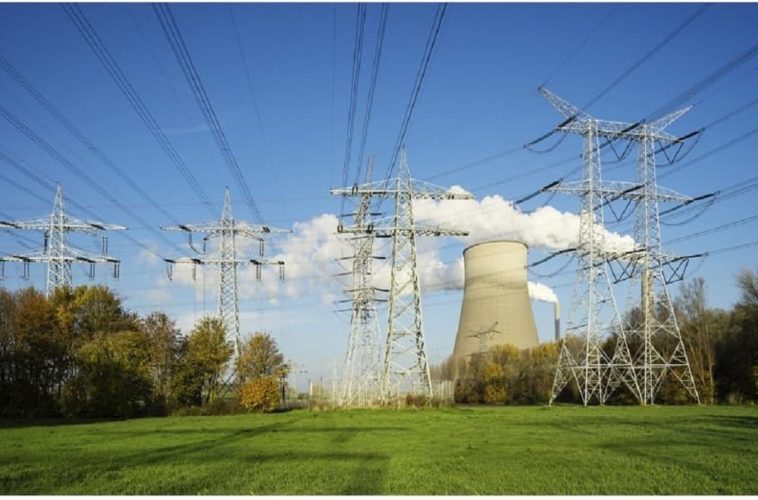
The transition to a clean energy economy hinges on our ability to integrate vast quantities of renewable generation onto the grid. However, current transmission systems are often likened to a series of inflexible pipes, with fixed capacities that don’t always reflect real-world conditions. This limitation frequently leads to what’s known as grid congestion solutions. When a transmission line reaches its static capacity limit, even if only for a few hours, the flow of electricity from a clean energy source must be curtailed. This means valuable, zero-emission electricity that could be powering homes and businesses is simply wasted, and new renewable projects are delayed or outright cancelled because there’s no available path for their power to reach consumers.
Building new transmission lines, while sometimes necessary, is an arduous undertaking. It involves lengthy permitting processes, significant capital investment often spanning billions of dollars, and complex land acquisition challenges. Projects can take a decade or more from conception to completion, a timeline incompatible with the urgency of climate change and the rapid deployment targets for new renewable capacity. We need smarter, faster solutions to facilitate clean energy integration and keep pace with innovation. Powergen Advancement highlights grid-enhancing technologies in, offering a strategic approach to power grid modernization that maximizes the efficiency of existing assets before breaking ground on new ones.
What Are Grid-Enhancing Technologies (GETs)? A Paradigm Shift
At their core, grid-enhancing technologies (GETs) represent a fundamental shift in how we approach grid management. Instead of immediately resorting to building new “steel and wires” to increase capacity, GETs employ sophisticated software, advanced sensors, and intelligent hardware to make the existing infrastructure work harder and smarter. These aren’t futuristic concepts they are proven, commercially available tools designed to unlock the hidden, underutilized capabilities of our current transmission system. By gaining real-time insights and exercising precise control, grid-enhancing technologies unlock renewable capacity by transforming static limitations into dynamic opportunities. They represent a significant leap in electricity grid technology, moving from a reactive, fixed-capacity paradigm to a proactive, flexible, and optimized network.
GETs focus on several key areas, each contributing to a more efficient and resilient grid. They offer a suite of solutions that can be deployed individually or in combination to address specific bottlenecks and enhance overall transmission efficiency. Unlike traditional upgrades that might take years, many GETs can be implemented within months or a few years, providing almost immediate benefits to renewable energy transmission and overall grid performance.
Key Pillars of Grid-Enhancing Technologies: Unlocking Hidden Potential
The umbrella of Grid-Enhancing Technologies encompasses several innovative solutions, each playing a critical role in optimizing grid performance and enabling greater clean energy integration.
Dynamic Line Ratings (DLR): Seeing the Invisible Capacity
Imagine a speed limit sign on a highway that always shows the lowest possible speed, regardless of traffic, weather, or road conditions. That’s how many traditional transmission lines operate. They are assigned a “static” rating based on worst-case scenarios, often assuming high temperatures and low wind, even when actual conditions would permit much greater power flow. This conservative approach leaves a significant amount of latent capacity unused.
Dynamic Line Ratings (DLR) revolutionize this by providing real-time assessments of a transmission line’s capacity. Using sensors that monitor ambient temperature, wind speed and direction, solar radiation, and line sag, DLR systems continuously calculate the maximum safe current a line can carry. When conditions are favorable – for instance, on a cool, windy day – the line can safely transmit significantly more power than its static rating suggests. By leveraging DLR, grid-enhancing technologies unlock renewable capacity by identifying and utilizing this often substantial additional headroom, allowing more electricity from wind and solar farms to flow without curtailment. This direct improvement in transmission efficiency can sometimes increase line capacity by 10-40% or even more, turning previously congested corridors into vital pathways for clean energy.
Advanced Power Flow Control (APFC) Devices: Steering the Electrons
Electricity, by its nature, follows the path of least resistance. This means power doesn’t always flow efficiently or directly to where it’s needed, often bypassing perfectly capable lines in favor of others that then become congested. This uncontrolled flow leads to bottlenecks, forcing operators to curtail generation or take more expensive actions to manage the grid.
Advanced Power Flow Control (APFC) devices, such as Smart Wires, Flexible AC Transmission Systems (FACTS) devices, or smart transformers, act like intelligent traffic controllers for electrons. These devices can actively redirect power flow, pushing electricity onto underutilized lines and away from overloaded ones. They provide grid operators with unprecedented precision in managing power distribution. By strategically placing APFC devices, utilities can alleviate grid congestion solutions without building entirely new lines. This capability is paramount for clean energy integration, as it ensures that the often variable output from renewable sources can be seamlessly directed to demand centers, maximizing the value of every megawatt generated. It’s a sophisticated form of grid optimization that allows the system to adapt dynamically to changing conditions and generation patterns.
Topology Optimization (TO): Reconfiguring for Maximum Flow
Topology Optimization involves strategically reconfiguring the existing connections within a transmission network to improve overall power flow and reduce congestion. This might include temporarily opening or closing circuit breakers or switches to redirect power along different paths, much like rerouting traffic around a temporary road closure.
While seemingly simple, implementing TO requires advanced analytical tools and real-time data to understand the optimal configuration at any given moment. Modern grid control systems, often leveraging artificial intelligence and machine learning, can analyze thousands of potential grid configurations in real-time, identifying the most efficient setup to maximize renewable energy transmission and minimize losses. This proactive management technique helps grid operators dynamically adapt the network to fluctuating renewable generation and demand patterns, ensuring that the grid is always operating at its most efficient potential. It is a subtle yet powerful component of grid optimization that can unlock significant latent capacity within the existing network.
Advanced Grid Monitoring and Control: The Eyes and Brains of the Smart Grid
Underpinning all of these GETs is a foundation of sophisticated monitoring and control systems. The deployment of advanced sensors, such as synchrophasors (which provide high-precision, synchronized measurements of voltage and current across wide areas), alongside sophisticated analytics platforms, offers grid operators an unprecedented real-time view of their network. This comprehensive situational awareness is crucial.
These technologies provide the “eyes” and “brains” that enable DLR, APFC, and TO to function effectively. Without precise, up-to-the-second data on line conditions, power flows, and grid stability, implementing dynamic changes would be risky. Smart meters, SCADA systems, and advanced communication networks collectively contribute to this rich data environment, allowing for predictive analytics and automated responses. This level of granular insight is fundamental to power grid modernization, transforming the grid from a passive, static entity into an active, intelligent, and highly responsive system ready for the challenges of the 21st century.
The Transformative Impact: Why GETs Are a Game-Changer
The collective application of grid-enhancing technologies unlock renewable capacity with several compelling advantages that traditional grid expansion simply cannot match in terms of speed, cost, and environmental impact.
- Speed to Market: Perhaps the most significant advantage is the accelerated timeline for deployment. Unlike new transmission lines that face multi-year environmental reviews, permitting, and construction, many GETs can be installed and activated in months or a few years. This rapid deployment directly addresses the urgent need for faster clean energy integration, allowing renewable projects to connect and deliver power much sooner.
- Cost-Effectiveness: GETs represent a highly capital-efficient investment. By maximizing the utility of existing assets, they defer or outright avoid the enormous costs associated with building new lines, which can range from millions to billions of dollars per project. This cost savings ultimately benefits consumers, keeping electricity rates lower, and makes renewable energy projects more economically viable. They are truly an intelligent form of energy infrastructure upgrades.
- Enhanced Reliability and Resilience: A smarter, more dynamically managed grid is inherently more resilient. By providing operators with greater control and real-time visibility, GETs allow for quicker identification and isolation of faults, faster restoration of service, and better adaptation to extreme weather events or cyber threats. This improved grid optimization ensures a more stable and dependable power supply.
- Environmental Benefits Beyond Clean Energy: While directly enabling more renewable energy, GETs also offer indirect environmental advantages. By optimizing existing corridors, they reduce the need for new rights-of-way, preserving natural habitats and minimizing land disturbance. Less curtailment of renewables also means less reliance on fossil fuel “peaker” plants to fill generation gaps, further reducing emissions.
- Unlocking Existing Potential: The sheer volume of untapped capacity on existing lines is often staggering. Studies have shown that GETs can free up gigawatts of latent capacity, equivalent to dozens of large-scale renewable energy projects, simply by applying intelligence to current infrastructure.
Overcoming Hurdles and Paving the Way Forward
Despite their clear benefits, the widespread adoption of Grid-Enhancing Technologies faces certain hurdles. Regulatory frameworks, often designed for traditional utility planning, can be slow to adapt to these innovative solutions. There’s also a degree of institutional inertia within utilities, accustomed to decades-old planning and operational paradigms. Furthermore, integrating new data streams and control systems requires investment in new skill sets and cybersecurity measures.
However, a growing consensus is emerging that these challenges are surmountable and the benefits too great to ignore. Proactive policy measures, such as those encouraging or mandating the consideration of non-wires alternatives (like GETs) in transmission planning, are vital. Pilot projects and demonstration programs can build confidence and showcase quantifiable benefits, accelerating adoption. Moreover, fostering collaboration between regulators, utilities, technology providers, and renewable energy developers is crucial to developing comprehensive deployment strategies. The shift towards power grid modernization is not merely technological it is also a cultural and regulatory transformation.
Conclusion
The path to a clean energy future is not just about building more wind turbines and solar panels it’s equally about building a smarter, more capable grid to harness their power. Grid-enhancing technologies unlock renewable capacity by offering a rapid, cost-effective, and highly impactful solution to the critical challenge of grid congestion. By transforming our existing transmission infrastructure from static conduits into dynamic, intelligent networks, GETs are not merely incremental improvements they are foundational to accelerating clean energy integration and achieving our ambitious climate goals. The time for broad deployment of these sophisticated tools is now, paving the way for a more resilient, efficient, and sustainable power system for generations to come. The future of our energy landscape depends on embracing these intelligent energy infrastructure upgrades.