














A Q&A with Penny Moyses, Event Director, Messe Frankfurt UK
1. What are the most significant new developments and innovations visitors can expect to discover at LiGHT 26?
Visitors can expect to see a really broad representation of where lighting is today and where it is heading next, spanning architectural, decorative and technical lighting.
From the conversations I have been having across the industry, there is strong momentum around connected lighting, smarter controls, AI-driven building management, circular product design and embedded sustainability throughout the supply chain.
There is also increasing convergence between lighting, smart building technologies and data-driven building performance. Lighting systems are becoming more intelligent, responsive and integrated into wider building ecosystems, so I expect the relationship between lighting and building technology to generate a lot of interest, particularly within the Technical Zone.
At the same time, good lighting ultimately has to work for people. The innovations gaining the most attention are often those that successfully combine performance, sustainability and user experience, and I think we will see that reflected strongly across LiGHT 26.
2. How are smart lighting, AI, automation and connected systems transforming lighting design and energy management?
Lighting is becoming one of the most valuable sources of data and connectivity within modern buildings. Intelligent lighting systems can support occupancy monitoring, energy management, environmental controls and user experience simultaneously.
As technologies such as digital twins and integrated building management systems continue to develop, lighting will play an increasingly central role in providing information and enabling responsive environments. Rather than being viewed primarily as a utility, lighting is becoming part of the infrastructure that helps a building understand how it is being used and respond accordingly.
AI also has the potential to become a powerful tool throughout the design and specification process. We are already seeing technologies that can analyse building performance, optimise energy use, support lighting calculations and streamline project workflows.
However, technology should enhance expertise, not replace it. Lighting design remains deeply connected to human perception, emotion and wellbeing. Data can inform decisions and technology can make processes more efficient, but understanding how a space should feel and how people will experience it still requires human judgement, creativity and empathy.
The challenge is ensuring that increasing technological capability does not translate into unnecessary complexity. Collaboration, interoperability and accessibility will be essential if connected lighting is to deliver its full potential.
3. What makes LiGHT 26 different from other lighting exhibitions, and what are its strongest unique selling points?
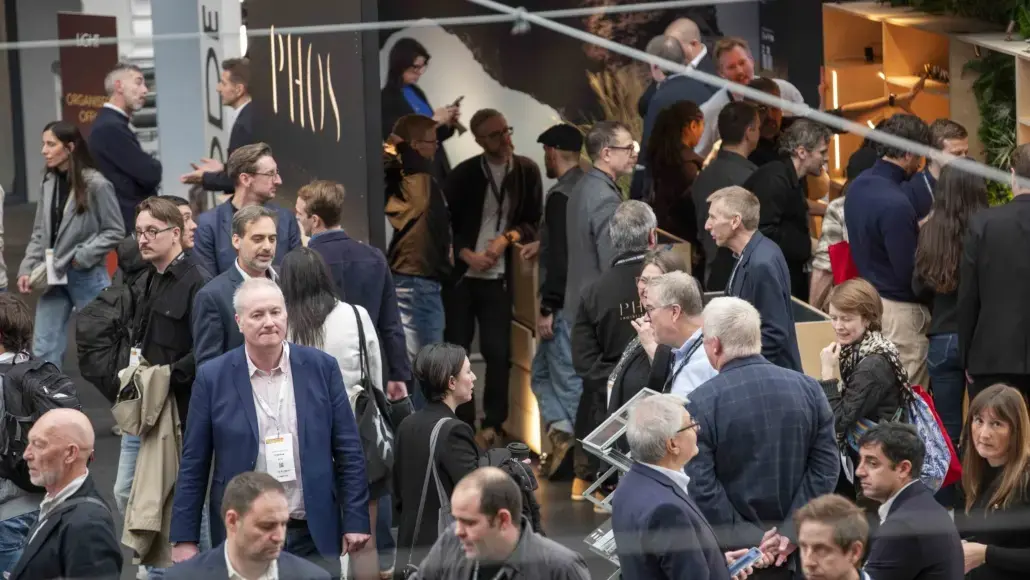
I think a large part of LiGHT’s success comes from understanding exactly who the event is for. Since its launch in 2022, LiGHT has established a strong focus on the specification community, creating an environment where people genuinely want to spend time, discover new products, exchange ideas and meet others from across the industry.
One of its real strengths is the breadth of people it brings together while remaining firmly focused on specification and design.
Lighting does not exist in isolation within a project. Decisions around light intersect with architecture, interiors, engineering, controls, sustainability and increasingly wider building technologies. Bringing those disciplines together creates opportunities for conversations that might not happen within a more traditional exhibition environment.
LiGHT has also become a platform for dialogue as much as discovery. Its high-quality content programme, industry-led discussions and networking opportunities complement the products on display, giving visitors the opportunity to explore both the creative and technical sides of lighting.
There is also a very strong sense of community around LiGHT. That combination of commercial opportunity, education and community, together with the welcoming atmosphere people genuinely value, is what makes the event distinctive.
4. Why should lighting designers, architects, engineers and project specifiers prioritise attending LiGHT 26?
Modern lighting influences energy performance, wellbeing, productivity, sustainability, aesthetics and the overall experience of a space. It has become a strategic design discipline that contributes to wider project objectives, making collaboration between different disciplines increasingly important.
LiGHT brings those disciplines together in one place, allowing lighting designers, architects, engineers and specifiers to discover new products, understand emerging technologies and explore solutions that can genuinely influence their projects.
Our two-day talks programme, expert panels and industry-led discussions are designed to give visitors insight into emerging trends, practical challenges and future opportunities. The products on display are important, but understanding the thinking behind them is equally valuable.
I would encourage visitors to explore the relationship between the different areas of the show. Architectural and decorative lighting demonstrate the creative possibilities of light, while the Technical Zone opens up conversations around controls, connectivity, data and intelligent buildings.
There is an enormous amount of knowledge in the room, and the opportunity to learn from manufacturers, designers and professionals outside your immediate area of expertise is incredibly valuable.
5. What practical benefits can visitors gain in terms of product discovery, technical knowledge, supplier relationships and purchasing decisions?
One of the greatest benefits of attending LiGHT is the opportunity to go beyond simply looking at products and have meaningful conversations with the people behind them.
Good specification needs to take a broad view, considering not only light quality and performance, but energy efficiency, controls, maintenance, flexibility and the long-term needs of a building.
Being able to speak directly with manufacturers allows visitors to understand the thinking, technology and applications behind new developments, helping them make more informed decisions about the solutions they specify.
Sustainability and commercial viability are also important considerations. High-quality, energy-efficient products can deliver significant operational savings, lower maintenance requirements and improved lifecycle performance. The conversation increasingly needs to shift from upfront cost to long-term value.
Beyond product discovery, visitors can gain technical knowledge through the talks programme, establish new supplier relationships and exchange ideas with professionals from across the built environment.
Visitors can leave with a clearer idea of which products suit their projects, which questions they still need to resolve and who can help them take the next step. That can make the time spent at the show really useful when they return to their day-to-day work.
6. How does LiGHT 26 help exhibitors connect with qualified decision-makers and turn participation into tangible commercial opportunities?
For exhibitors, it is about the quality of the audience and the conversations they can have with them.
Attendance figures are important, but they only tell part of the story. We want exhibitors to leave LiGHT having met the right people, not simply the most people.
For manufacturers and technology companies, that means the opportunity to put products and ideas directly in front of the professionals who are influencing specifications and making decisions across live and future projects.
Products also make much more sense when there is an opportunity to discuss the thinking, technology and application behind them. LiGHT gives manufacturers the chance to have those deeper conversations with lighting designers, architects, interior designers, engineers and specifiers.
Some of the most rewarding feedback is when exhibitors tell us that conversations started at LiGHT have developed into new relationships, collaborations or project opportunities long after the doors have closed.
Ultimately, our role is to bring the right people together and create an environment where meaningful conversations can develop into lasting commercial relationships.
7. What short-term business benefits and longer-term returns can exhibitors expect from participating in the event?
In the short term, exhibitors can introduce products, meet potential customers and get direct feedback from the people specifying and using their solutions. Those discussions can help them identify relevant projects and understand where there is demand.
The longer-term return comes from following up those connections. Specification decisions can take time, so the value of exhibiting may continue to develop as projects progress.
There is also a useful opportunity to listen. Understanding what designers and specifiers need can inform future product development and help manufacturers strengthen their product offerings.
8. What was the strategic vision behind Messe Frankfurt’s acquisition of LiGHT, and why was this the right time for the transition?
LiGHT has been one of the industry’s great success stories, and that is a credit to the team that created it and the community that has supported it from day one.
Since its launch in 2022, the event has established a distinctive identity and a strong reputation within the lighting and design community. Its focus on specification, high-quality content and meaningful industry connections provides a very strong foundation for future growth.
Becoming part of the Messe Frankfurt family represents an opportunity to build on that success and connect LiGHT with a much larger international story.
We now have access to a global network of industry contacts, market expertise and world leading trade fair brands, including the wider Light + Building community. That gives us the opportunity to bring new perspectives, international connections and long-term investment to the event.
The lighting industry itself is also evolving, with increasingly important conversations around sustainability, wellbeing, smart buildings, data and building performance. There is a real opportunity for LiGHT to continue developing alongside those changes.
Rather than changing what LiGHT is, our ambition is to build on a strong foundation and support its continued growth as an essential meeting place for the lighting and design community.
9. How will Messe Frankfurt’s international network strengthen LiGHT’s reach while preserving its distinctive, community-focused identity?
One of our priorities at Messe Frankfurt UK is to protect and nurture the qualities that have made LiGHT successful in the first place.
Much of its success has been built on its distinctive identity and the strong relationships it has established across the lighting and design community. Its focus on specification, high quality content programme and welcoming atmosphere are all things that people genuinely value, and we want to retain them.
The international network gives us more opportunities to introduce people, brands and ideas to LiGHT. We want those connections to add to the experience visitors and exhibitors already value, while keeping the event focused on the specification community and retaining its welcoming atmosphere.
10. What new opportunities could the acquisition create for international networking, business development and access to new markets?
I think the real opportunity is to create new connections between the UK specification community and manufacturers, designers and technology companies working in other markets. That could open up opportunities for collaboration, knowledge-sharing and business development that extend beyond the exhibition itself.
We are seeing strong momentum globally around connected lighting, AI-driven building management, circular product design and embedded sustainability throughout the supply chain. There is also increasing convergence between lighting, smart building technologies and data-driven building performance.
For exhibitors, that creates opportunities to develop relationships and collaborations beyond their existing networks. For visitors, it provides greater exposure to the ideas, technologies and expertise shaping lighting markets internationally.
Our ambition is to expand LiGHT’s influence internationally while maintaining its strong connection to the UK specification community.
11. Over the next three to five years, how do you see LiGHT evolving, and what long-term value do you want it to deliver to exhibitors and visitors?
Our ambition is for LiGHT to strengthen its position as the UK’s leading specification lighting event while expanding its influence internationally.
Over the next five years, I see LiGHT becoming an even more important platform for knowledge-sharing, innovation and collaboration across the built environment.
We want to continue attracting the industry’s leading brands and designers while creating opportunities for new voices and emerging talent to contribute to the conversation.
The industry is changing rapidly, with connected technologies, sustainability-led innovation and the growing demand for healthier, higher-performing buildings creating significant opportunities. LiGHT needs to continue reflecting those developments and providing a platform where the industry can explore both the opportunities and challenges ahead.
As part of Messe Frankfurt UK, we have the ability to connect the UK market more closely with global trends, expertise and innovation, while continuing to build on the relationships and sense of community that have made the event successful.
Ultimately, our goal is for LiGHT not simply to reflect the future of lighting, but to help shape it by bringing together the people and ideas that will define the next generation of the industry.
12. What is your strongest message to businesses considering whether to exhibit at or attend LiGHT 26?
I would say that LiGHT is about much more than simply showcasing or discovering new products. It is an opportunity to be part of the conversations shaping the future of lighting and the wider built environment.
For exhibitors, it is about putting your products, technologies and ideas in front of the professionals who are influencing specifications and making decisions across live and future projects. The quality of those conversations and the relationships that develop from them can have a lasting impact well beyond the two days of the exhibition.
For visitors, there is an enormous amount of knowledge in the room. Take the opportunity to explore the products, speak to the people behind them, attend the talks and meet professionals from disciplines outside your immediate area of expertise.
LiGHT has built a very strong sense of community, and that is something we are committed to maintaining as the event enters this exciting new chapter with Messe Frankfurt UK.
My advice would be to make time for the conversations you didn’t plan. Some of the most valuable moments happen between the things you came for, and you never know what new ideas, relationships or opportunities you might take away.