



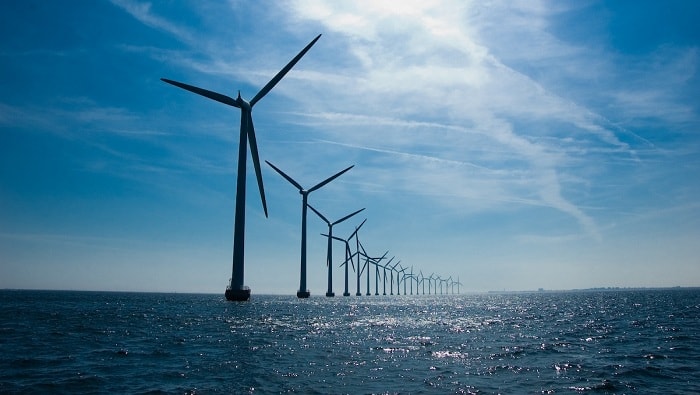



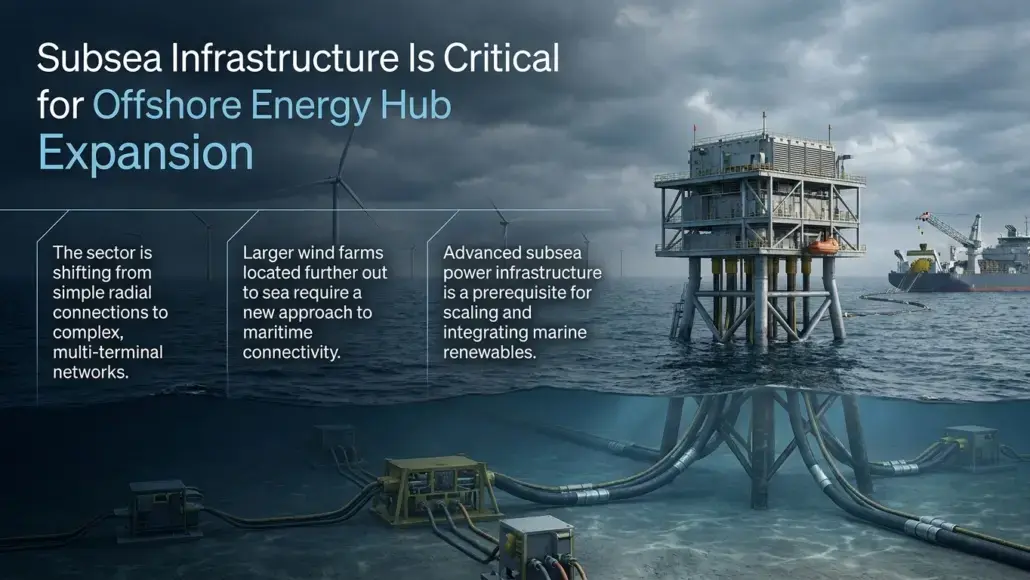
The expansion of the offshore energy sector is entering a new and more ambitious phase that requires a fundamental shift in how we think about maritime connectivity. As wind farms move further out to sea and grow in size, the industry is shifting away from simple radial connections toward complex, multi terminal networks. Developing subsea power infrastructure for offshore energy hubs is now a critical prerequisite for unlocking the full potential of marine renewables and for integrating them into regional energy markets. These hubs serve as centralized collection points for electricity generated by multiple wind farms, allowing it to be transmitted to onshore grids or traded between different countries through high voltage interconnectors.
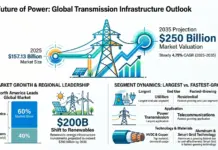
Recent data from Fortune Business Insights indicates that the global subsea power cables market was valued at approximately 32.33 billion dollars in 2024 and is projected to grow significantly by the end of the decade. This growth is driven by the increasing size of offshore wind projects and the requirement for long distance interconnectors that link national electricity markets and improve energy security. The development of this infrastructure involves navigating harsh underwater environments, utilizing advanced materials, and implementing sophisticated control systems to ensure the reliable transmission of high voltage electricity across hundreds of kilometers of seabed. This evolution is a major engineering challenge that is reshaping the global power industry.
The Strategic Shift Toward Offshore Energy Hubs and Islands
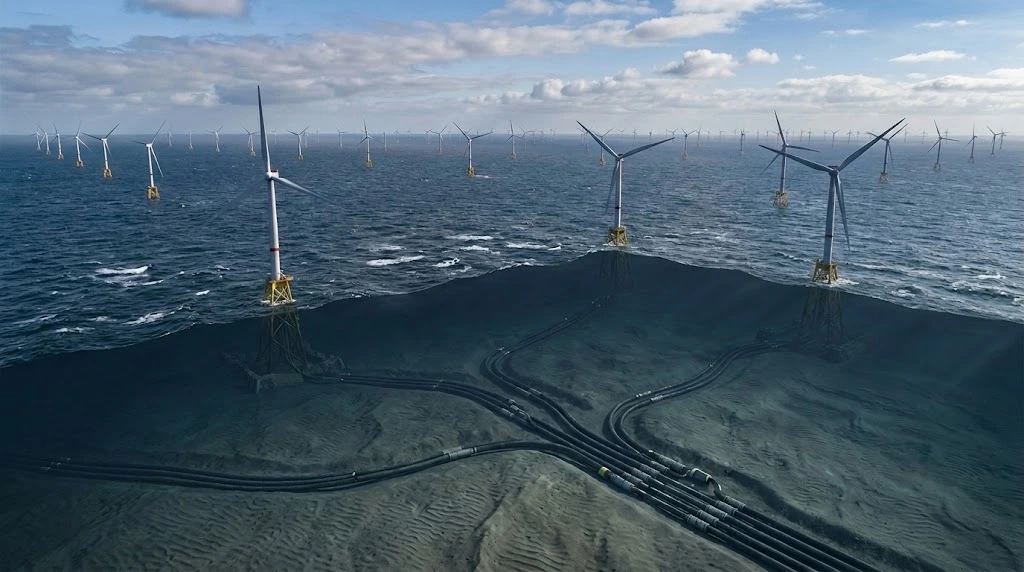
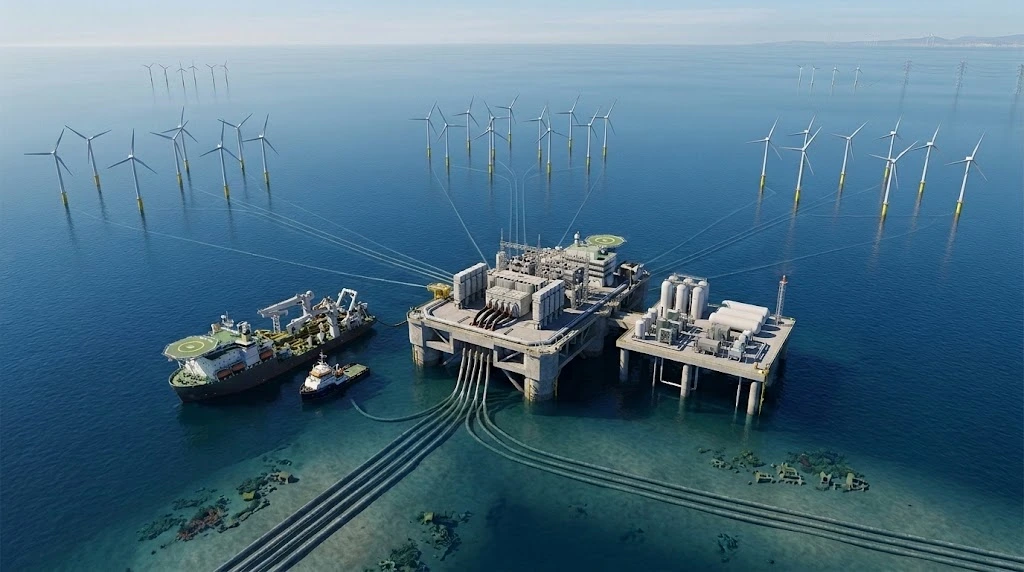
Traditional offshore wind projects were typically connected to the shore via a single cable dedicated to a single project. While effective for near shore developments, this approach becomes inefficient and costly as projects move into deeper waters and larger capacities. The concept of an offshore energy hub involves creating a shared platform that aggregates power from several wind farms, reducing the total number of subsea cables required and optimizing the use of transmission capacity. These hubs can also provide a range of ancillary services, such as energy storage or green hydrogen production, directly at sea, further enhancing their value to the energy system.
In the North Sea, the development of the North Sea Wind Power Hub is a prime example of this integrated and cooperative approach. By building artificial islands or large platforms to serve as hubs, nations like Denmark, Germany, and the Netherlands can coordinate their offshore efforts and share the cost of expensive transmission infrastructure. This not only improves the economics of offshore wind but also enhances regional energy security by creating multiple paths for power to reach consumers. The strategic importance of these hubs will only grow as the world seeks to triple its renewable capacity by 2030 and meet its decarbonization targets.
Technical Innovations in Subsea HVDC Cable Technology
The backbone of subsea power infrastructure is the high voltage direct current (HVDC) cable. HVDC is preferred for long distance subsea transmission because it suffers from much lower losses than alternating current (AC) systems over long distances and does not face the same capacitive charging issues. Modern subsea cables are marvels of engineering, designed to withstand extreme pressure, corrosive saltwater, and the physical stresses of the seabed over a lifetime of thirty years or more. Advances in insulation materials, such as cross linked polyethylene (XLPE), have allowed for higher voltage ratings and greater power carrying capacity, with some cables now capable of transmitting over 2 gigawatts of power.
Installation and maintenance are also areas of significant innovation and investment. Specialized cable laying vessels, equipped with advanced dynamic positioning and robotic trenching systems, are used to precisely place and bury cables to protect them from anchors and fishing gear. The use of fiber optic sensors embedded within the power cables allows for real time monitoring of temperature, mechanical stress, and acoustic signals, enabling operators to detect potential issues or external interference before they lead to failure. As the length and depth of these installations increase, the industry is also exploring the use of floating offshore substations, which could eliminate the need for fixed foundations in very deep water and open up new frontiers for offshore wind.
Environmental Sensitivity and Regulatory Coordination
Building subsea power infrastructure requires a high degree of environmental sensitivity and regulatory cooperation between multiple stakeholders. The installation process can disturb marine ecosystems, and the presence of cables can affect local habitats and the migratory patterns of sea life. Thorough environmental impact assessments are mandatory for all major projects, and developers must work closely with environmental agencies to minimize their footprint and implement mitigation measures. This often involves using specialized burying techniques or carefully avoiding sensitive areas during the planning and routing phase.
From a regulatory perspective, the cross border nature of many offshore hubs and interconnectors adds another layer of complexity. Multiple jurisdictions must agree on technical standards, cost sharing mechanisms, and environmental protections. The European Union is currently working to streamline these processes through its Maritime Spatial Planning directive, which aims to coordinate the use of the sea for energy, shipping, fishing, and conservation. Clear and stable regulatory frameworks are essential for attracting the long term private capital needed for these multi billion dollar projects. The alignment of national energy strategies is a key requirement for the success of regional offshore networks.
Enabling International Energy Cooperation and Security
One of the most profound impacts of developing subsea power infrastructure is its ability to facilitate international cooperation and enhance energy security. By linking the energy systems of different nations, subsea interconnectors allow for the efficient exchange of clean energy across borders, helping to balance the variability of renewables and reduce electricity prices. This trading is essential for ensuring that the cheapest and cleanest power is always available where it is needed most, regardless of where it is generated. The role of these physical links in supporting wider economic and political integration is a key theme in modern energy policy.
For a broader look at how these connections are used to create liquid and efficient regional markets, the expansion of cross border power trading for clean energy expansion provides a vital commercial context for the physical infrastructure being built on the seabed. These interconnectors are not just cables but are strategic assets that enhance the resilience of national grids. During periods of low wind production in one region, power can be imported from another, reducing the need for domestic backup generation and lowering the overall cost of the transition. The continued expansion of these subsea networks is a clear signal that the future of energy is interconnected and international.
Economic Impacts and Global Supply Chain Challenges
The development of subsea power infrastructure is a major driver of economic activity and job creation in the maritime, manufacturing, and energy sectors. From the production of high grade copper and steel to the operation of specialized vessels, the supply chain is experiencing a period of intense demand. However, this rapid growth also presents challenges that could slow the pace of the transition. There is currently a global shortage of high voltage cable manufacturing capacity and specialized installation vessels, which can lead to project delays, increased costs, and competition between different regions for limited resources.
Investment in the supply chain is therefore as important as investment in the projects themselves. Many manufacturers are expanding their facilities and developing new technologies, such as lead free cable designs, to meet the growing needs of the market and improve sustainability. Governments are also providing support through industrial strategies that aim to build domestic expertise in offshore energy technology and secure supply chains. The ability of the industry to overcome these supply chain bottlenecks will be a key factor in meeting the ambitious targets for offshore wind deployment over the next decade and beyond.
Expanding Global Subsea Interconnections
Nexans, Sumitomo Electric, Prysmian, NKT, and Cenergy Holdings are directly driving the sophisticated maritime connectivity requirements of modern offshore energy networks. As wind generation scales further out to sea and national grids demand cross-border interconnectors, these companies are building the foundational infrastructure to make it a reality.
NKT and Prysmian are currently contracted to deliver hundreds of kilometers of core HVDC links across Northern Europe, while Cenergy Holdings is expanding Mediterranean interconnections via massive multi-stage cable supply projects. Concurrently, technological constraints are being dismantled by innovations like Nexans’ record-breaking 2,150-meter deep-water cable installations and Sumitomo Electric’s real-time diagnostic systems for anomaly detection across extreme subsea distances. Together, these verified developments ensure the secure, long-distance transmission of clean energy required to meet global decarbonization targets.
Future Directions for Integrated Offshore Energy Hubs
Looking ahead, the role of offshore energy hubs will likely expand to include a wider range of activities and technologies. The integration of large scale battery storage or the production of green hydrogen directly at the hub could provide even greater flexibility to the energy system, allowing for the storage of excess renewable energy for use in other sectors. The concept of an offshore energy island, which combines generation, transmission, and storage, is already being explored in countries like Denmark and Belgium and could serve as a model for other regions.
As the industry moves toward these more complex and integrated configurations, the importance of data and digitalization will continue to grow. Digital twins of offshore assets will allow for more efficient operation and maintenance, while advanced control systems will manage the complex flow of power and molecules across the network. The evolution of subsea power infrastructure is not just about moving electricity but about building the core of a new, global energy ecosystem that is sustainable, reliable, and deeply integrated. The ocean floor is becoming the new frontier for the global power grid, and the infrastructure being built today will shape the energy landscape for generations to come.
References
- European Commission
- Nexans
- Sumitomo Electric
- Prysmian
- NKT
- Cenergy Holdings