


















AI Summary
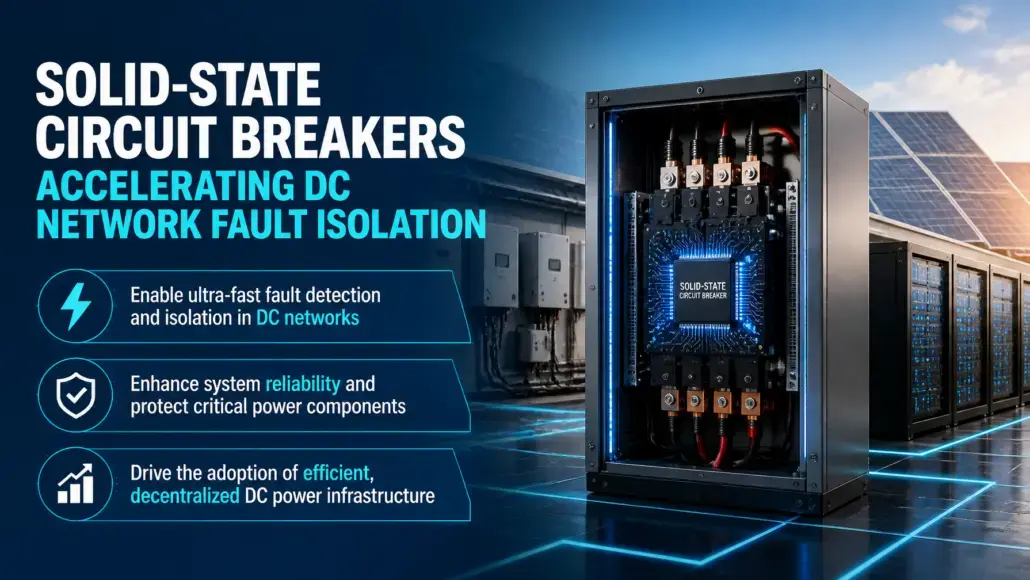
The global shift toward decentralized energy resources and high-efficiency industrial power distribution is driving a significant resurgence of interest in Direct Current (DC) networks. Unlike traditional Alternating Current (AC) systems, DC networks offer a more direct and efficient way to integrate solar PV, battery storage, and electronic loads, significantly reducing the energy losses associated with multiple conversion stages. However, the adoption of DC infrastructure has been historically limited by the challenge of providing fast and reliable fault protection. Unlike AC, where the current naturally passes through zero twice per cycle, DC current does not have a natural zero-crossing, making it much harder to interrupt during a short-circuit. PowerGen Advancement notes that the emergence of Solid-State Circuit Breakers (SSCBs) represents a transformative solution to this problem, offering an ultra-fast, semiconductor-based framework for fault isolation that is orders of magnitude faster than traditional mechanical breakers.
Operational Mechanics and Microsecond-Scale Interruption
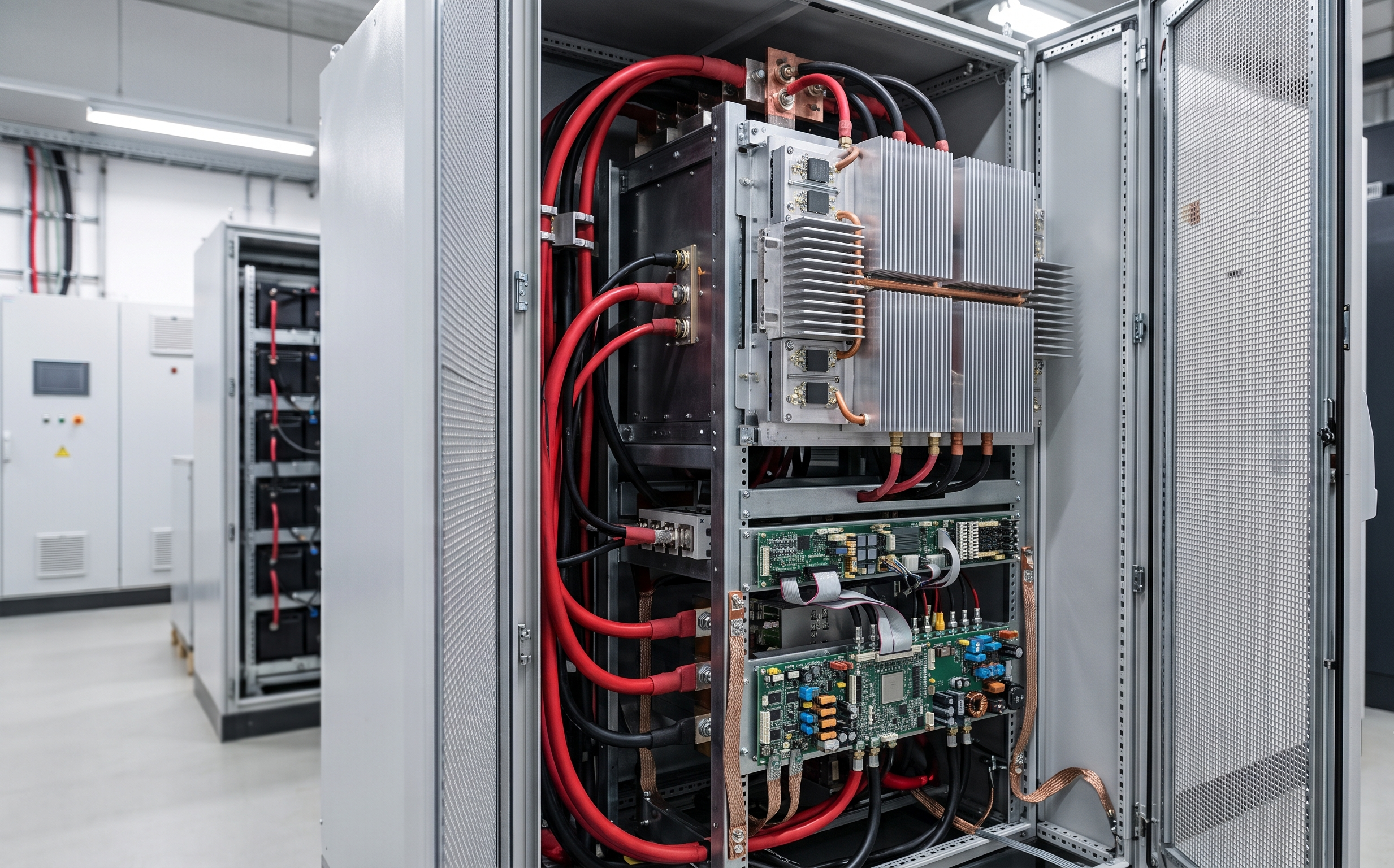
Solid-state circuit breakers utilize high-power semiconductor devices—such as Insulated-Gate Bipolar Transistors (IGBTs) or Integrated Gate-Commutated Thyristors (IGCTs)—to electronically interrupt the flow of current. Because they have no moving parts, SSCBs can detect and isolate a fault in a matter of microseconds, compared to the tens of milliseconds required by mechanical breakers. This speed is essential for protecting the sensitive power electronics and energy storage systems that define modern DC microgrids, preventing the massive current spikes that can cause catastrophic failure and equipment damage. Furthermore, the lack of mechanical wear and tear significantly improves the reliability and lifespan of the protection system, reducing the need for frequent maintenance and testing. The integration of SSCBs is also a vital step toward achieving higher operational flexibility, as they can be easily programmed and controlled via digital signals, allowing for a more proactive and automated approach to grid protection.
Breaker Topologies: Pure Solid-State, Hybrid, and Mechanical-Assisted
The technical variety of SSCB designs includes pure solid-state, hybrid, and mechanical-assisted topologies. Pure solid-state breakers offer the fastest switching speeds but suffer from relatively high conduction losses due to the forward voltage drop of the semiconductor.
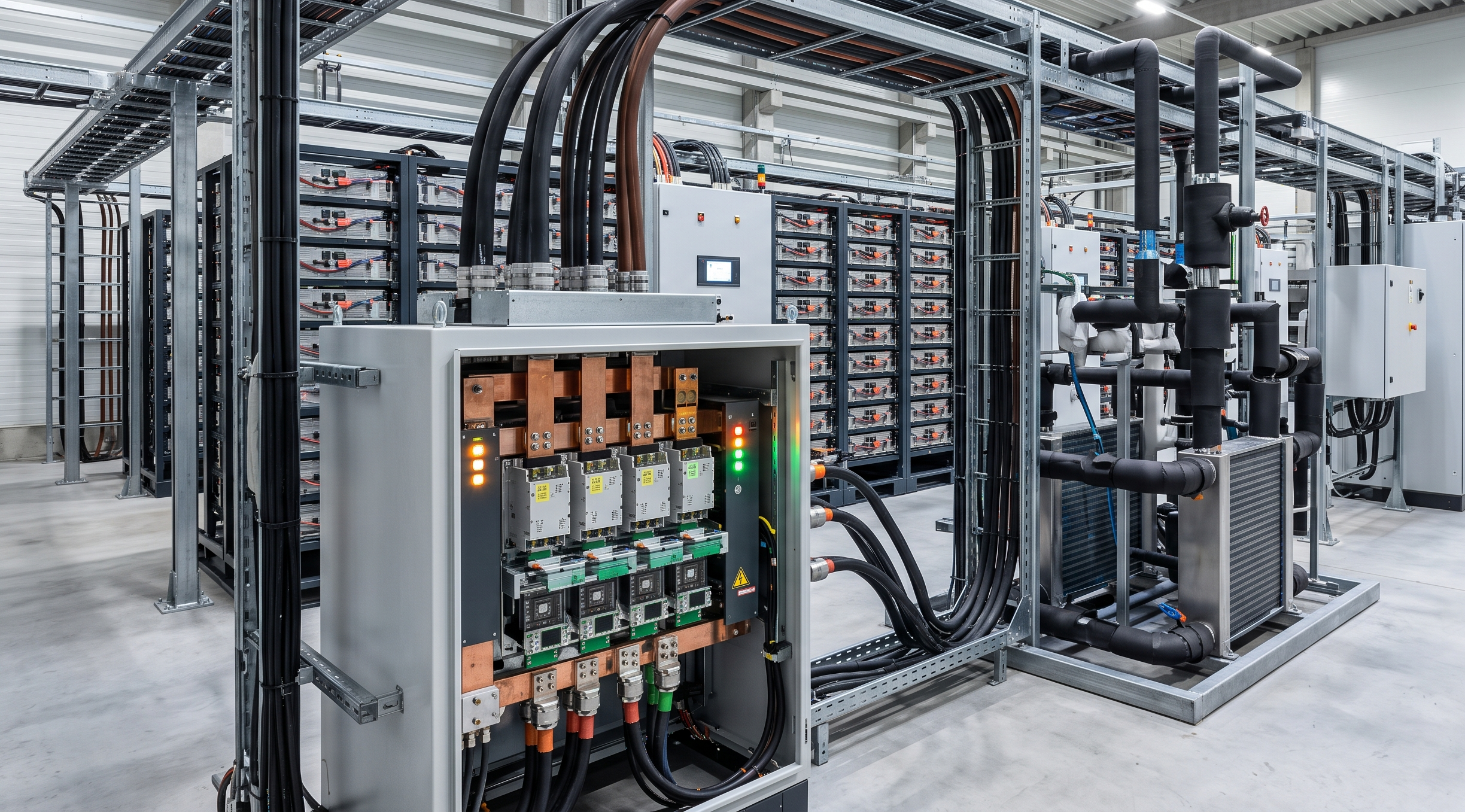
Hybrid breakers combine a mechanical switch for low-loss conduction with a parallel solid-state path for fast interruption, providing a balance between efficiency and speed. The choice of topology depends on the specific voltage and current ratings of the DC network, with engineers carefully evaluating the trade-offs between thermal management and protection performance. The expertise gained in designing these high-power semiconductor systems is a key component of the electrification of everything movement.
Soft-Switching Controls and Transient Stress Mitigation
Furthermore, the integration of soft-switching techniques is a major trend in SSCB design. By precisely controlling the timing of the semiconductor’s turn-off in relation to the voltage and current waveforms, engineers can minimize the electrical stress and energy dissipation during the interruption process. This reduces the size and cost of the required snubber circuits and improves the overall efficiency and reliability of the breaker. The technical synergy between advanced control algorithms and high-power semiconductors is a hallmark of modern SSCB technology. The data generated from monitoring the switching transients is essential for maintaining the high level of reliability needed for mission-critical DC networks.
Commercial Deployment: Sub-100-Microsecond Field Validation
A significant milestone in the commercialization of this technology was highlighted in late 2024, when several leading electrical equipment manufacturers and research consortiums announced the successful deployment of a high-voltage solid-state circuit breaker in a commercial-scale DC microgrid project. The project demonstrated the ability of the SSCB to isolate a severe short-circuit fault in less than 100 microseconds, maintaining the stability and safety of the entire network. This initiative underscores the critical role that Solid-State Circuit Breakers play in the future of DC power distribution and serves as a powerful indicator of the industry’s commitment to building a more resilient and high-performance energy system.
Systemic Integration with Digital Twins, Liquid Cooling, and Storage
The shift toward ultra-fast protection is intrinsically linked to the broader goals of energy resilience. As grid complexity increases, the use of real-time digital twin simulations for pre-installation microgrid validation provides the necessary foresight to correctly place and configure these high-speed protective devices. By providing a more reliable and responsive way to manage electrical faults, SSCBs allow for the development of DC microgrids that can operate with the highest level of efficiency and safety. For instance, the transition toward liquid cooling integration in high-density architectures is bolstered by the precise fault isolation provided by SSCBs, ensuring that the power and cooling systems remain protected from the physical risks of short-circuits and overloads. Similarly, the integration of SSCBs with advanced energy storage systems, such as sodium-ion batteries, is essential for maintaining the overall integrity of the DC network and maximizing the value of stored energy. This systemic approach ensures that the localized power system is not just a collection of devices, but a highly coordinated and secure network that can protect itself from both internal and external threats.
Fault-Tolerant Architectures and Granular Diagnostic Telemetry
Furthermore, the integration of SSCBs is driving a revolution in the way engineers approach the design of fault-tolerant architectures. By providing the granular visibility and automated control needed to isolate faults at the source, these devices are a vital component of the broader effort to minimize the duration and impact of power outages. The data generated by the digital controls of the SSCB is a vital resource for grid management, providing the real-time information needed to identify complex fault patterns and coordinate the response across the entire network. The expertise gained in managing these ultra-fast power electronic systems is a key component of the digital transformation in electrical engineering. The transition to solid-state protection is thus a major driver of industrial activity and technological progress in the broader energy sector.
Wide-Bandgap Semiconductors: Silicon Carbide and Gallium Nitride
The role of Wide-Bandgap (WBG) semiconductors, such as Silicon Carbide (SiC) and Gallium Nitride (GaN), in the next generation of SSCBs is also a critical trend. WBG devices can operate at higher voltages, temperatures, and switching frequencies than traditional silicon-based components, allowing for even faster and more efficient circuit breakers. SiC-based SSCBs, in particular, are showing great promise for high-voltage DC (HVDC) applications, where they can significantly reduce the size and cost of the required cooling systems. The technical challenge of managing the high dV/dt and dI/dt rates associated with WBG switching is significant, but the potential rewards for grid flexibility and resilience are immense. The synergy between advanced materials and power electronics is a powerful model for the future of grid safety.
Decentralized Edge Intelligence and Autonomous Fault Tripping
Moreover, the integration of distributed fault detection is a burgeoning area of innovation. Rather than relying on a single, centralized controller, each SSCB can be equipped with its own high-speed processing unit and local sensors, allowing it to make autonomous protection decisions. This decentralized protection provides a new level of resilience, as the grid can continue to protect itself even if the central communication network is disrupted. The use of edge computing to process the high-frequency current and voltage data at the breaker itself is a key trend in this space. This synergy between localized intelligence and ultra-fast hardware is the ultimate expression of the smart infrastructure vision. The ability to isolate faults in real-time, at the source, is a major milestone for the industry.
Engineering Challenges: Thermal Dissipation and Firmware Cybersecurity
The technical implementation of these systems also requires a high degree of coordination between power electronics engineers, control systems developers, and thermal management specialists. Building an SSCB that can handle the massive voltages and currents required for industrial applications—and that can effectively dissipate the heat generated by the semiconductor devices—is a significant engineering feat. Similarly, ensuring the long-term reliability and cybersecurity of the digital controls that manage the breaker is a key priority for the industry. The collaboration between these different sectors is essential for overcoming the technical hurdles and ensuring that the benefits of Solid-State Circuit Breakers reach the industrial edge as quickly and safely as possible.
Economic Feasibility and Total Cost of Ownership
The economic case for the integration of these technologies is also becoming increasingly compelling. While the initial capital expenditure for solid-state breakers can be higher than traditional mechanical breakers, the long-term savings associated with reduced equipment damage, shorter outages, and more efficient grid operation are significant. Improving the reliability and safety of DC microgrids can also lower the overall cost of energy for consumers, making it a more attractive option for a wider range of customers. Moreover, the improved flexibility and reduced maintenance needs of SSCBs can lead to lower total cost of ownership by reducing the frequency of equipment replacement and the need for expensive spare parts. The financial benefits of solid-state protection are thus a major driver of their adoption across the global energy landscape.
Global Standardization and IEEE/IEC Testing Frameworks
Moreover, the role of international standards in the growth of the SSCB market is critical. As these devices become more widespread, there is a need for clear guidelines on performance testing, safety certification, and grid connection requirements. Global organizations like the IEEE and the IEC are already working with industry partners to develop these standards, providing the regulatory certainty needed for large-scale investment. The transparency and accountability provided by these systems will be key to maintaining public trust in the energy industry’s efforts to develop new and innovative safety tools.
The Horizon: AI Predictive Tripping and Autonomous DC Networks
Looking ahead, the commitment to Solid-State Circuit Breakers will be a defining characteristic of the DC microgrid landscape in the coming decades. The ongoing development of even more efficient Wide-Bandgap (WBG) semiconductor devices, including those based on next-generation SiC and GaN materials, will further improve the performance and reduce the cost of solid-state protection. The integration of AI-driven predictive fault detection—using machine learning to identify the early warning signs of an impending failure—will become the standard for high-performance DC systems.
The expansion of global digital energy networks, supported by standardized hardware and software platforms, will enable the rapid deployment and remote monitoring of solid-state breakers around the world. By embracing these innovations, the energy community is not only enhancing the safety of the grid but also building a more resilient and equitable foundation for the future of energy. The fusion of semiconductor technology and electrical protection, embodied in the rise of SSCBs, is the defining vision for the energy industry of the 21st century. The journey from a mechanical switch to a solid-state system is a collective effort that will require the participation of stakeholders across the entire semiconductor and energy sectors.
Human Capital: Cultivating Solid-State Power Specialists
Finally, the importance of workforce development in the transition to solid-state infrastructure cannot be overstated. As these systems become more prevalent, there is a need for a new generation of power electronics engineers who are fluent in both semiconductor physics and electrical protection. PowerGen Advancement believes that by investing in the education and training needed to support these technologies, the industry can ensure that the full benefits of Solid-State Circuit Breakers are realized. This investment in human capital is as important as the investment in the hardware itself, as the long-term success of ultra-fast grid protection depends on the expertise and dedication of the people who work at the heart of the power electronic revolution. The electrical industry’s transition to a solid-state, high-speed future is a journey that will require the participation of everyone from the component designer to the field service engineer.
References
-
Successful Deployment of High-Voltage Solid-State Circuit Breaker in Commercial DC Microgrid Project
-
The Role of SSCBs in Enhancing the Reliability and Safety of DC Networks
-
Solid-State vs. Mechanical Circuit Breakers: A Technical Comparison for DC Applications
-
Wide-Bandgap Semiconductors and the Future of Power Electronic Protection
-
Standardizing Solid-State Protection: The Role of the IEEE and IEC