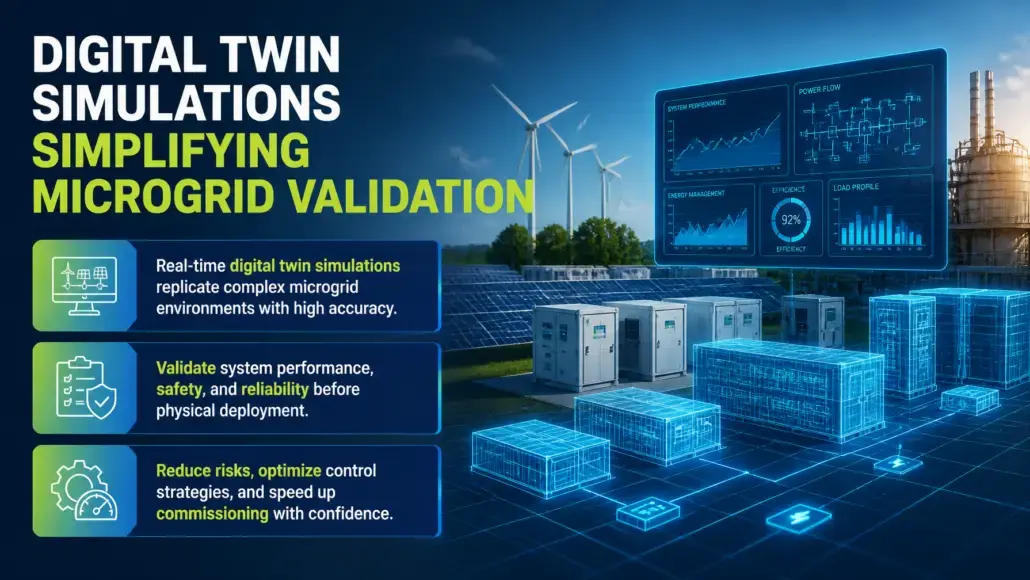
The complexity of modern localized power systems, which must integrate a wide range of intermittent renewables, variable loads, and sophisticated control systems, is driving a revolution in how microgrids are designed, tested, and commissioned. Traditional methods of pre-installation validation, which often rely on static models and laboratory-scale testing, are no longer sufficient to ensure the reliability and safety of large-scale industrial microgrids. The implementation of real-time digital twin simulations represents a transformative development in this effort, providing a precise, virtual, and dynamic model of the microgrid’s performance before a single piece of hardware is installed. PowerGen Advancement notes that by creating a digital shadow that mirrors the physical grid in real-time, this technology is reducing project risk, accelerating commissioning timelines, and building a more resilient foundation for the energy infrastructure of the future.
Defining the Digital Twin
A digital twin is a sophisticated virtual representation of a physical asset, system, or process that is continuously updated with real-time data from sensors and control systems. In the context of microgrid validation, a digital twin allows engineers to simulate thousands of different operating scenarios—including extreme weather events, equipment failures, and sudden shifts in energy demand—within a safe and controlled virtual environment. This what-if analysis provides a level of foresight and certainty that is unattainable with traditional methods, identifying potential bottlenecks, instabilities, and protection coordination issues long before they can cause a disruption in the physical world. Furthermore, the use of real-time digital twins can significantly streamline the commissioning process, as the control algorithms and protection settings can be fully validated and tuned in the virtual space before being deployed to the physical grid.
Multi-Physics Co-Simulation and Controller Hardware-in-the-Loop
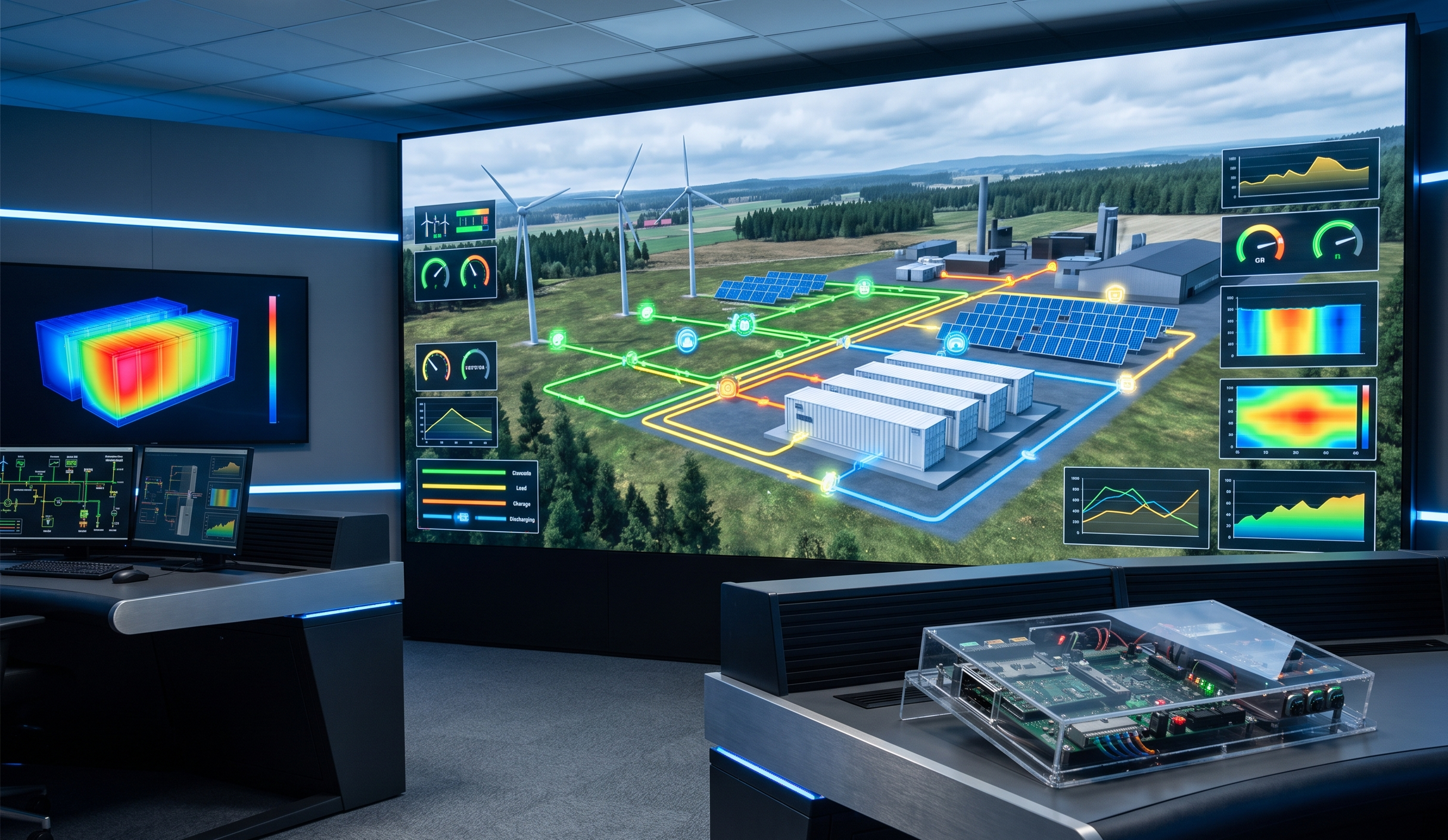
The technical core of a microgrid digital twin involves a co-simulation environment that combines electrical, thermal, and control system models. Electrical models use high-speed electromagnetic transient (EMT) solvers to capture the fast-acting behavior of power electronics, while thermal models utilize computational fluid dynamics (CFD) to predict heat flow and cooling performance. These models are linked to a virtual representation of the microgrid’s control software, allowing for Controller Hardware-in-the-Loop (CHIL) testing. In CHIL, the actual physical control hardware is connected to the virtual grid model, providing the most realistic possible validation of the control logic. The expertise gained in building these multi-physics, multi-scale simulations is a key component of the new field of systems engineering in the power sector.
Cloud-Native Platforms and Collaborative Microservices
Furthermore, the integration of Cloud-Based digital twin platforms is a major trend. By moving the simulation environment to a secure, scalable cloud infrastructure, utilities can collaborate with multiple stakeholders in real-time, sharing models and data across different regions and organizations.
This allows for a more holistic and collaborative approach to grid planning and validation, ensuring that all aspects of the microgrid—from the generation assets to the end-user loads—are accounted for. The use of containerization and microservices architectures allows for the rapid deployment and scaling of these cloud-based simulations, providing a new level of agility for the energy industry. The synergy between cloud computing and digital twin technology is a hallmark of the modern smart grid.
Field Validation: The Northern European Industrial Deployment
A significant milestone in the adoption of this technology was reached in mid-2024, when several leading energy companies and research institutions announced the successful completion of a large-scale project focusing on the use of real-time digital twins for the pre-installation validation of an industrial microgrid in Northern Europe. The project utilized advanced simulation platforms to create a high-fidelity model of the grid’s electrical and thermal behavior, allowing for the comprehensive testing of the DERMS and adaptive protection systems under a wide range of conditions. This initiative underscores the critical role that digital twin simulations play in the future of microgrid reliability and serves as a powerful indicator of the industry’s commitment to building a more digital and predictable energy system.
De-Risking Advanced Storage and Liquid Cooling Deployments
The shift toward virtual validation is intrinsically linked to the broader goals of energy resilience. As new technologies emerge, the success of
commercializing sodium-ion energy storage for industrial microgrids depends on rigorous testing in a virtual environment before physical deployment. By providing a more reliable and efficient way to test and optimize the grid, digital twins allow for the development of microgrids that can operate with the highest level of stability and safety. For instance, the transition toward liquid cooling integration in high-density architectures is bolstered by the precise thermal modeling provided by the digital twin, ensuring that the cooling system is correctly sized and controlled for the expected load profile. Similarly, the integration of digital twins with advanced energy storage systems, such as sodium-ion batteries, is essential for predicting the battery’s health and performance over its entire lifecycle. This systemic approach ensures that the localized power system is not just a collection of devices, but a highly optimized and pre-validated network that can adapt to a rapidly changing market.
Full-Lifecycle Asset Health Monitoring and Proactive Maintenance
Furthermore, the integration of digital twins is driving a revolution in the way microgrids are managed throughout their entire lifespan. Once the physical grid is operational, the digital twin remains active, receiving real-time data from the site and providing operators with a continuous health check of the system. This allows for proactive maintenance, as potential issues can be identified and addressed before they lead to a failure. The data generated by the digital twin can also be used to optimize the grid’s performance in real-time, identifying opportunities to improve efficiency and reduce energy costs. This lifecycle approach to grid management is a vital component of the broader effort to build a more sustainable and cost-effective energy architecture. The expertise gained in managing these complex virtual-physical systems is a key component of the digital transformation in the energy sector.
Immersive Operations: Augmented Reality Overlays and VR Training
The role of Augmented Reality (AR) and Virtual Reality (VR) in conjunction with digital twins is also a critical trend. By visualizing the digital twin data through AR headsets, maintenance technicians can see the internal state of equipment—such as the temperature of a transformer or the state of charge of a battery—directly overlaid on the physical asset. This provides a revolutionary level of visibility and control, allowing for faster and safer maintenance operations. Similarly, VR can be used to provide immersive training for grid operators, allowing them to practice responding to emergency scenarios in a realistic virtual environment. The synergy between immersive visualization and digital twin data is a powerful model for the future of industrial workforce development. The influence of these technologies is transforming the way we interact with the energy grid.
Machine Learning Analytics and Remaining Useful Life Forecasting
Moreover, the integration of Predictive Analytics into the digital twin platform is a burgeoning area of innovation. By training machine learning models on the historical data from the digital twin, engineers can predict the Remaining Useful Life (RUL) of critical components and optimize the schedule of maintenance activities. This condition-based maintenance approach is much more efficient than traditional time-based schedules, reducing costs and improving the overall reliability of the grid. The technical challenge of accurately predicting the failure modes of complex electrical and mechanical systems is significant, but the potential rewards for asset management are immense. The fusion of virtual modeling and predictive analytics is the ultimate expression of the intelligent infrastructure vision. The ability to foresee and prevent grid failures is a major milestone for the industry.
Engineering Challenges: Latency, Data Ingestion, and Cyber Defense
The technical implementation of these systems also requires a high degree of coordination between power systems engineers, software developers, and data scientists. Building a digital twin that can handle the massive amounts of data generated by a modern microgrid—and that can operate with the extreme precision and speed needed for real-time validation—is a significant engineering challenge. Similarly, ensuring the data integrity and cybersecurity of the connection between the physical grid and its digital twin is a key priority for the industry. The collaboration between these different sectors is essential for overcoming the technical hurdles and ensuring that the benefits of digital twin simulations reach the industrial edge as quickly and safely as possible.
Project Economics, ROI, and Expedited Commissioning
The economic case for the integration of these technologies is also becoming increasingly compelling. While the initial investment in digital twin platforms and the supporting sensor infrastructure can be substantial, the long-term savings associated with reduced project delays, lower commissioning costs, and more efficient grid operation are significant. Improving the time-to-market for new microgrid projects can significantly increase the return on investment for developers and energy customers. Moreover, the improved reliability and resilience of the grid can lead to lower economic losses from power outages and equipment failures. The financial benefits of virtual validation are thus a major driver of their adoption across the global energy landscape.
The Digital Twin Consortium and Interoperability
Moreover, the role of international standards in the growth of the digital twin market is critical. As these systems become more widespread, there is a need for clear guidelines on data formatting, model fidelity, and virtual-physical synchronization. Global organizations like the Digital Twin Consortium are already working with industry partners to develop these standards, providing the regulatory certainty needed for large-scale investment. The transparency and accountability provided by these systems will be key to maintaining public trust in the energy industry’s efforts to develop new and innovative management tools.
Multi-Physics Modeling and Autonomous Operations
Looking ahead, the commitment to digital twin simulations will be a defining characteristic of the microgrid landscape in the coming decades. The ongoing development of even more sophisticated multi-physics modeling tools, including those capable of simulating the impact of cyber-attacks on grid controls, will further improve the safety and reliability of the grid. The integration of AI-driven autonomous grid optimization and the expansion of global digital energy networks, supported by next-generation communication and cloud technologies, will enable a more flexible and secure energy market.
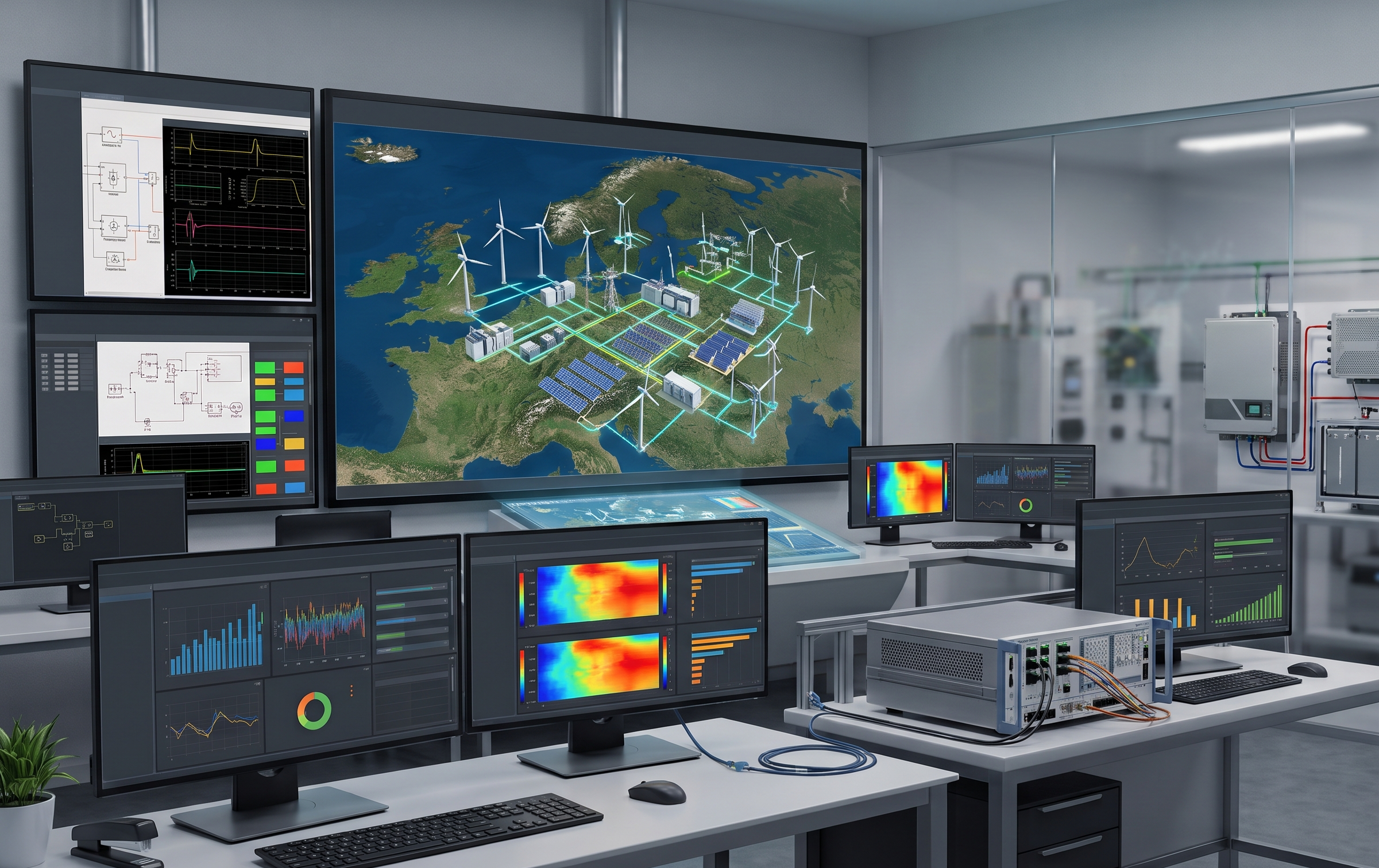
The implementation of robust regulatory frameworks, including international standards for model validation and data sovereignty, will be essential for maintaining public trust and ensuring that the benefits of these technologies are shared fairly. By embracing these innovations, the energy community is not only optimizing the performance of the grid but also building a more resilient and equitable foundation for the future of energy. The fusion of virtual modeling and physical infrastructure, embodied in the rise of digital twins, is the defining vision for the energy industry of the 21st century. The journey from a static blueprint to a dynamic digital twin is a collective effort that will require the participation of stakeholders across the entire technology and energy sectors.
Cultivating Digital-Systems Engineers
Finally, the importance of fostering a new generation of digital-systems engineers who are equally comfortable in the worlds of physical modeling and data science cannot be overstated. As digital twins become the new standard for grid planning and operation, the demand for these multi-disciplinary professionals will continue to grow. PowerGen Advancement believes that by investing in the education and training of these specialists, the energy community can ensure that the full potential of digital twin simulations is realized. This investment in human capital is as important as the investment in the technology itself, as the long-term success of the virtualized grid depends on the expertise and dedication of the people who work at the interface of the digital and physical worlds. The energy industry’s transition to a high-tech, virtualized future is a journey that will require the participation of everyone from the utility executive to the field technician.
References
-
Real-Time Digital Twin Validation for Industrial Microgrids: A Northern European Case Study
-
The Role of Digital Twins in Accelerating Microgrid Commissioning and Reliability
-
Digital Twin Consortium: Standardizing Virtual Representations of Physical Assets
-
AI-Driven Grid Optimization: The Synergy between Digital Twins and DERMS
-
Lifecycle Management of Microgrids: From Virtual Validation to Real-Time Control