



AI Summary
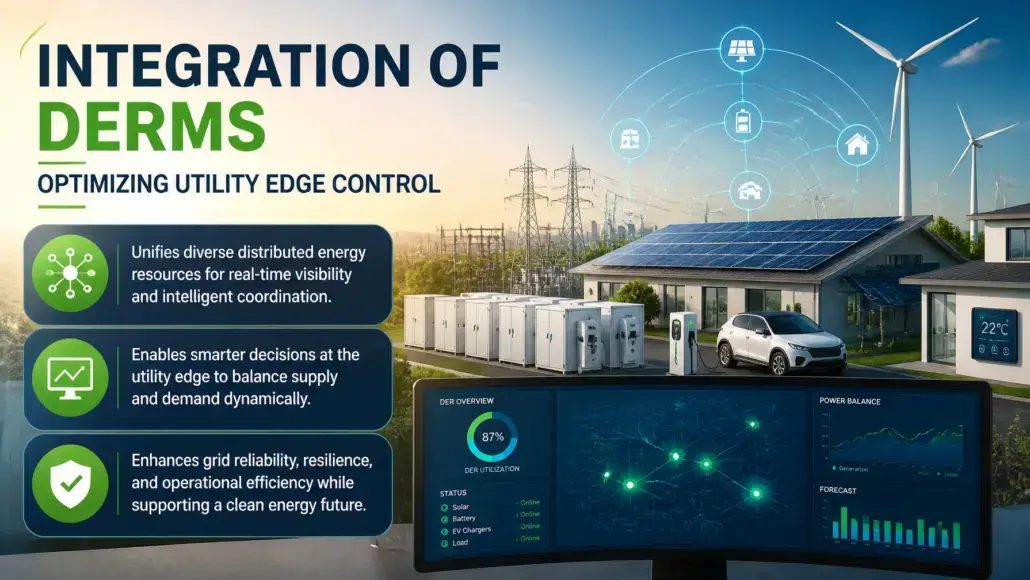
The global power grid is undergoing a fundamental transformation as the traditional, centralized model of generation and distribution gives way to a more decentralized and dynamic architecture. The proliferation of distributed energy resources (DERs)—including rooftop solar, electric vehicles, battery storage, and smart appliances—is creating a complex and highly variable energy landscape that requires a new generation of digital management tools. The process of integration of DERMS represents a critical milestone in this evolution, providing utilities and microgrid operators with the visibility and control needed to optimize the utility edge. PowerGen Advancement notes that by orchestrating the behavior of millions of individual devices in real-time, these systems are enhancing grid stability, maximizing the value of renewable energy, and building a more resilient and flexible foundation for the energy future.
Core Functions and Operational Control
DERMS platforms act as the brain of the decentralized grid, utilizing advanced algorithms and real-time data to monitor, predict, and control the flow of energy across the distribution network. One of the primary functions of DERMS is to manage the inherent intermittency of renewable energy sources, ensuring that the supply of electricity always matches the demand. This involves peak shaving by discharging batteries during periods of high demand, or load shifting by encouraging consumers to use electricity when renewable production is at its highest. Furthermore, DERMS can provide essential grid services, such as frequency regulation and voltage support, which were previously the sole domain of large-scale power plants. This localized approach to grid management is essential for maintaining stability as the share of intermittent renewables continues to grow.
System Architecture and Distributed Intelligence
The technical architecture of a modern DERMS often follows a hierarchical structure, with localized controllers managing groups of devices (such as a single microgrid or an EV charging hub) and a central coordinator overseeing the entire distribution system. This distributed intelligence allows for faster decision-making and reduces the volume of data that must be transmitted to the central server. Communication is typically handled via standard protocols like DNP3 or Modbus, or through newer, more flexible systems like MQTT and gRPC. The challenge for developers lies in ensuring that these systems can interoperate with thousands of different device types from hundreds of different manufacturers. The expertise gained in designing these complex, multi-vendor ecosystems is a key component of the digital transformation in the power sector.
AI and Predictive Analytics
Furthermore, the integration of forecasting is a critical component of DERMS. By combining weather data, historical usage patterns, and real-time sensor information, these systems can predict both the supply of renewable energy and the demand from consumers with high accuracy. This allows for the proactive optimization of the grid, ensuring that resources are positioned where they are needed before a bottleneck or shortage occurs.
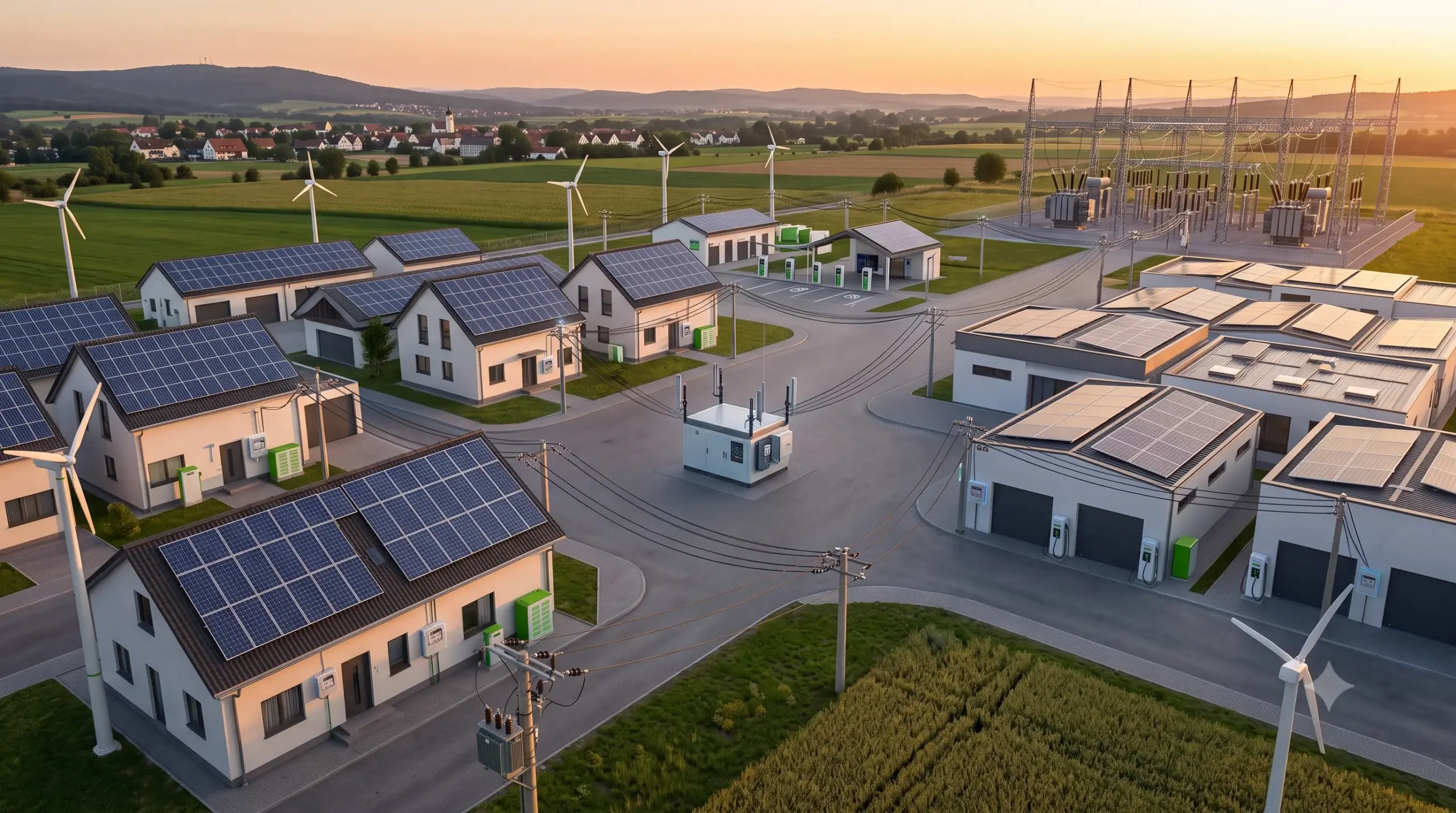
Advanced forecasting models utilize deep learning architectures, such as Long Short-Term Memory (LSTM) networks, which are particularly well-suited for time-series data. The synergy between high-precision forecasting and automated control is the hallmark of a truly smart grid. This predictive capability is essential for managing the high levels of variability that define the modern energy landscape.
Industry Milestones and Commercial Deployment
A significant step forward in the commercialization of this technology occurred in mid-2024, when GE Vernova announced a major expansion of its GridOS portfolio, focusing on the integration of advanced DERMS capabilities for utility-scale edge control. The initiative focuses on the use of AI-driven analytics to optimize the performance of distributed energy assets, providing utilities with a unified platform for managing the entire distribution network. By providing real-time visibility and automated control across thousands of individual nodes, GE Vernova aims to help utilities navigate the complexities of the energy transition while maintaining the highest standards of reliability and safety. This strategic move underscores the critical role that integration of DERMS plays in the future of grid optimization and serves as a powerful indicator of the industry’s commitment to building a more digital and decentralized energy system.
Microgrids, Virtual Power Plants, and Physical Resilience
The shift toward edge-based control is intrinsically linked to the broader goals of energy resilience. As power density increases, the successful implementation of liquid cooling integration in high-density microgrid architectures provides the stable thermal environment needed for complex edge control. By providing a more localized and responsive way to manage energy, DERMS allows for the development of microgrids and virtual power plants (VPPs) that can operate independently of the main grid during disruptions. For instance, the transition toward liquid cooling integration in high-density architectures is bolstered by the precise control provided by DERMS, ensuring that the power and cooling systems remain synchronized even under extreme load profiles. Similarly, the integration of DERMS with advanced energy storage systems, such as sodium-ion batteries, is essential for maximizing the value of stored energy and providing emergency backup power when it is needed most. This systemic approach ensures that the decentralized grid is not just a collection of devices, but a highly coordinated and resilient network that can adapt to a rapidly changing market.
Customer Engagement and Demand-Side Management
Furthermore, the integration of DERMS is driving a revolution in the way utilities interact with their customers. By providing consumers with real-time information and financial incentives to adjust their energy usage, utilities can create a more engaged and active participant in the energy market. This demand-side management is a vital component of the broader effort to reduce the overall carbon footprint of the grid and lower energy costs for everyone. The data generated by smart meters and IoT-connected devices is a vital resource for DERMS, providing the granular visibility needed to optimize the performance of every individual asset. The expertise gained in managing these massive datasets is a key component of the data science revolution in the energy sector.
Peer-to-Peer Energy Trading and Blockchain
The emergence of Peer-to-Peer (P2P) energy trading is another burgeoning area of innovation enabled by DERMS. In a P2P market, consumers with excess solar power can sell it directly to their neighbors, rather than back to the utility. DERMS provides the underlying platform for these transactions, ensuring that the local grid remains stable and that all participants are fairly compensated. The use of blockchain technology to secure these transactions and provide a transparent audit trail is a key trend in this space. This democratization of energy is a major step forward, empowering individuals and communities to take control of their own energy future. The influence of P2P trading is transforming the relationship between the consumer and the grid.
Vehicle-to-Grid Integration
Moreover, the role of Electric Vehicle-to-Grid (V2G) technology is a critical trend for integration of DERMS. V2G allows the batteries in millions of electric vehicles to act as a massive, mobile energy storage system for the grid. When demand is high, the grid can draw power from the vehicles; when demand is low, the vehicles can be charged with excess renewable energy.
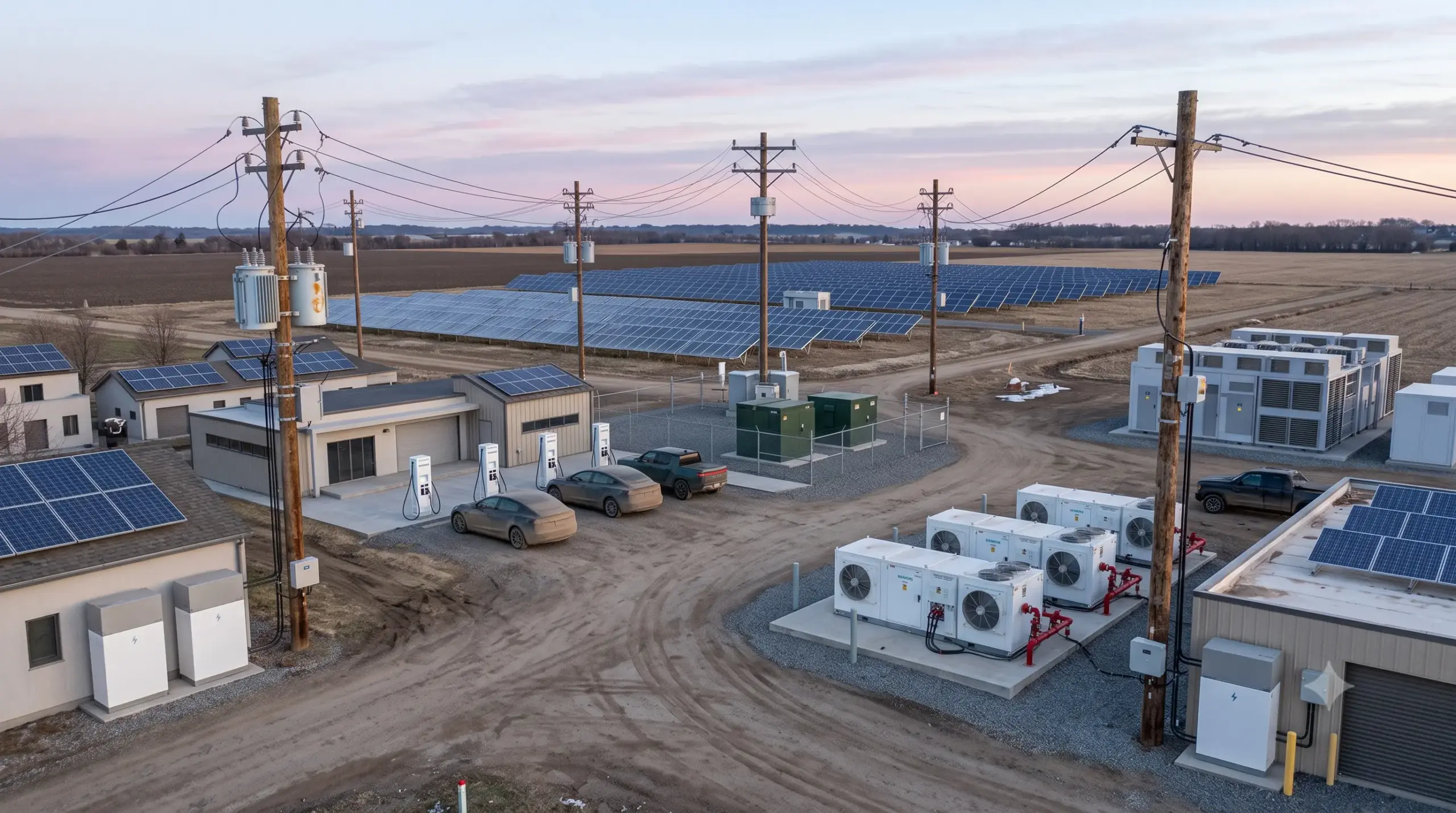
DERMS is essential for managing this complex interaction, ensuring that the vehicles have enough charge for their owners’ needs while maximizing their benefit to the grid. The technical challenge of coordinating millions of mobile assets is significant, but the potential rewards for grid flexibility and resilience are immense. The synergy between clean transportation and a smart grid is a powerful model for the global energy transition.
Interoperability and Ecosystem Collaboration
The technical implementation of these systems also requires a high degree of coordination between utility operators, software developers, and device manufacturers. Building a DERMS platform that can handle the massive volumes of data generated by millions of devices—and that can operate with the extreme precision and speed needed for grid stability—is a significant engineering challenge. Similarly, ensuring the interoperability and security of the communication networks that connect these devices is a key priority for the industry. The collaboration between these different sectors is essential for overcoming the technical hurdles and ensuring that the benefits of integration of DERMS reach the utility edge as quickly and safely as possible.
The Economic Value Proposition
The economic case for the integration of these technologies is also becoming increasingly compelling. While the initial investment in DERMS and the supporting communication infrastructure can be substantial, the long-term savings associated with reduced grid congestion, deferred transmission upgrades, and lower peak power costs are significant. Improving the utilization of existing assets can also lower the overall cost of energy for consumers, making it a more attractive option for a wider range of customers. Moreover, the improved reliability and resilience of the grid can lead to lower economic losses from power outages. The financial benefits of integration of DERMS are thus a major driver of their adoption across the global energy landscape.
Standardization and Regulatory Frameworks
Moreover, the role of international standards in the growth of the DERMS market is critical. As these systems become more widespread, there is a need for clear guidelines on communication protocols, data privacy, and grid connection requirements. Global organizations like the IEEE and the IEC are already working with industry partners to develop these standards, such as IEEE 1547 and OpenADR, providing the regulatory certainty needed for large-scale investment. The transparency and accountability provided by these systems will be key to maintaining public trust in the energy industry’s efforts to develop new and innovative management tools.
The Future Utility Landscape
Looking ahead, the commitment to integration of DERMS will be a defining characteristic of the utility edge landscape in the coming decades. The ongoing development of even more sophisticated AI-driven forecasting models, including those capable of self-correction and adapting to new grid configurations in real-time, will further improve the performance and reliability of the grid. The integration of blockchain for peer-to-peer energy trading and the expansion of global decentralized energy networks, supported by next-generation communication technologies, will enable a more flexible and equitable energy market.
The implementation of robust regulatory frameworks, including international standards for data privacy and grid connection, will be essential for maintaining public trust and ensuring that the benefits of these technologies are shared fairly. PowerGen Advancement believes that by embracing these innovations, the energy community is not only optimizing the performance of the grid but also building a more resilient and equitable foundation for the future of energy. The fusion of digital technology and decentralized energy, embodied in the rise of DERMS, is the defining vision for the energy industry of the 21st century. The journey from a central power plant to a decentralized grid is a collective effort that will require the participation of stakeholders across the entire technology and energy sectors.
Human Capital and Workforce Evolution
Finally, the importance of fostering a new generation of energy-digital specialists who are equally comfortable in the worlds of electrical engineering and software development cannot be overstated. As DERMS becomes the new standard for grid management, the demand for these multi-disciplinary professionals will continue to grow. By investing in the education and training of these specialists, the energy community can ensure that the full potential of integration of DERMS is realized. This investment in human capital is as important as the investment in the technology itself, as the long-term success of the decentralized grid depends on the expertise and dedication of the people who work at the interface of bits and watts. The utility industry’s transition to a high-tech, decentralized future is a journey that will require the participation of everyone from the utility board to the residential consumer.
References
-
GE Vernova Announces Major Expansion of GridOS for Distributed Energy Resource Management
-
DERMS Integration in Modern Utilities: Optimizing the Edge for Grid Stability
-
The Role of VPPs and Microgrids in Enhancing Energy Resilience
-
AI-Driven Analytics for Grid Optimization: The Future of DERMS
-
Standardizing Communication Protocols for Distributed Energy: The Role of IEEE 1547