


The modernization and expansion of sustainable power infrastructure represent the most critical technical challenge of our time, as the world transitions from centralized, fossil-fuel-based energy systems to decentralized, low-carbon networks. This transition is not simply about replacing coal plants with wind turbines. It is a fundamental reimagining of how energy is generated, transmitted, and consumed. The physical backbone of the global economy—the electrical grid—is currently undergoing a transformation of unprecedented scale and complexity. To support the rising demand for clean energy and the electrification of transportation and heating, we must develop a resilient, flexible, and intelligent infrastructure that can handle the inherent variability of renewable resources while maintaining absolute reliability for billions of users.
For nearly a century, power infrastructure was designed around the concept of predictable, one-way energy flow from large, central power plants to passive consumers. Today, that model is being turned on its head. The rise of distributed energy resources, such as rooftop solar, home battery storage, and electric vehicles, has turned consumers into prosumers who both draw from and contribute to the grid. PowerGen Advancement notes that managing this two-way flow requires a massive investment in smart grid technologies, advanced sensing, and real-time data analytics. Advancing sustainable power infrastructure worldwide means building a system that is not only cleaner but also smarter, capable of self-healing and optimizing itself in real-time to ensure maximum efficiency and stability.
Grid Modernization and the Shift to Intelligent Energy Networks
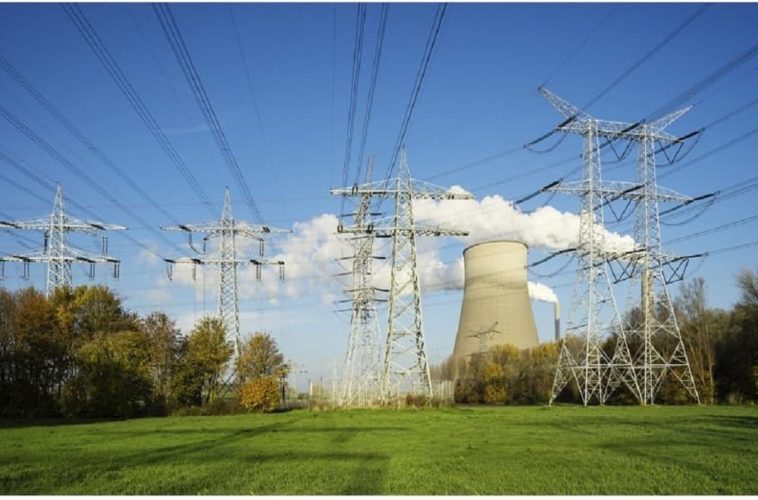
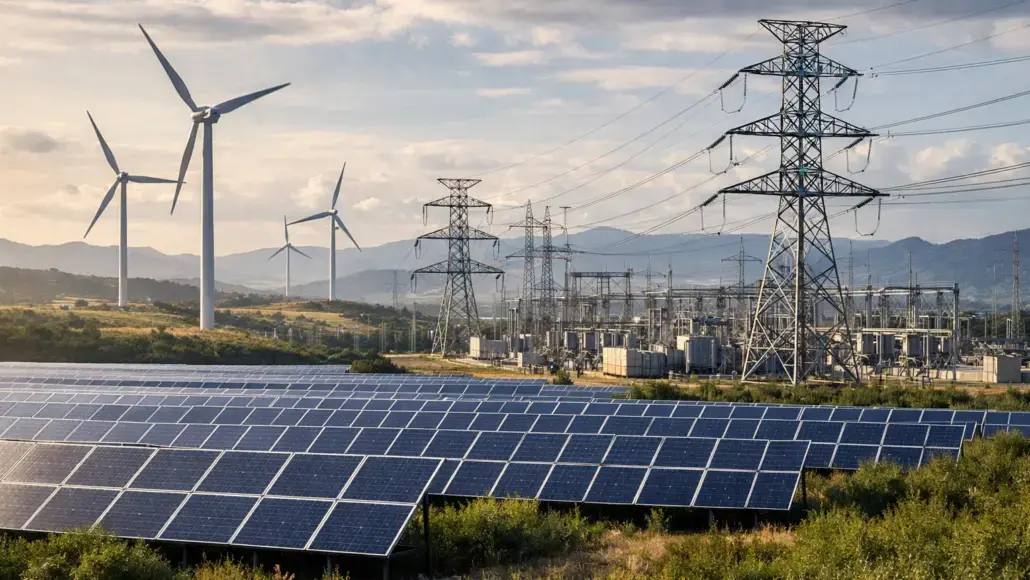
The core of the sustainable power transition lies in grid modernization—the process of upgrading existing electrical networks with advanced digital technologies and hardware. One of the primary drivers of this modernization is the need to integrate high levels of variable renewable energy (VRE). Unlike traditional power plants, wind and solar generation fluctuate based on weather conditions, which can create significant challenges for grid stability. To address this, grid operators are deploying advanced power electronics and Flexible AC Transmission Systems (FACTS) that allow for more precise control over voltage and frequency. These technologies enable the grid to absorb more renewable energy without compromising the quality of power delivered to consumers.
Smart grids are the brains of this new energy architecture. By integrating Information and Communication Technology (ICT) with the physical power infrastructure, smart grids provide unprecedented visibility into the state of the network. Smart meters, synchrophasors, and advanced distribution management systems (ADMS) allow operators to monitor energy flow with millisecond precision, identifying and isolating faults before they can lead to widespread outages. Furthermore, the use of AI and machine learning for demand forecasting and load balancing is helping to reduce the need for expensive and carbon-intensive peaker plants. A modernized grid is essential for ensuring that sustainable power infrastructure can meet the growing energy needs of a decarbonized world.
Long-Duration Energy Storage and Grid Resilience
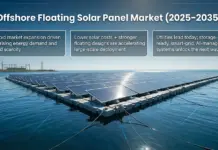
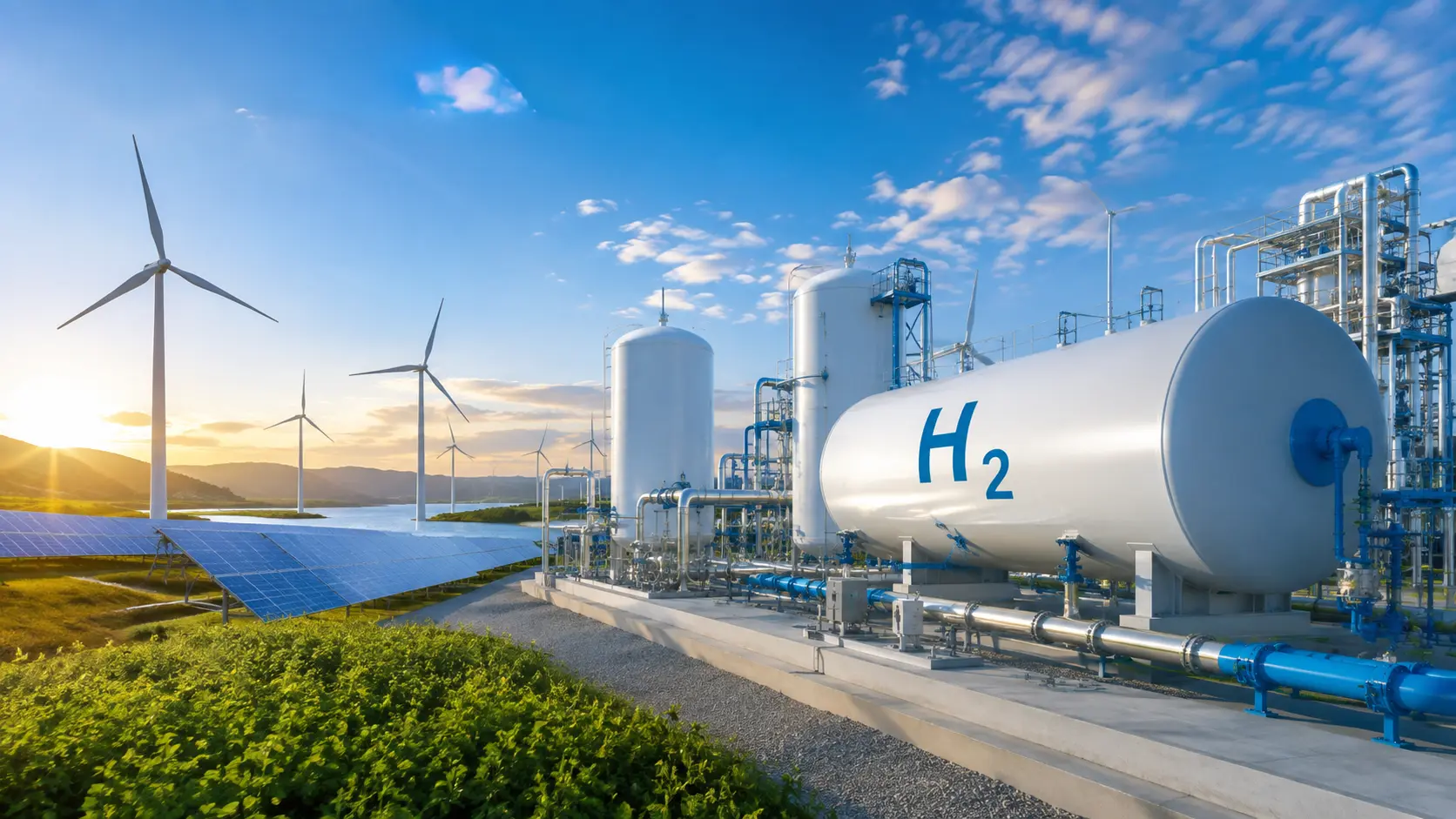
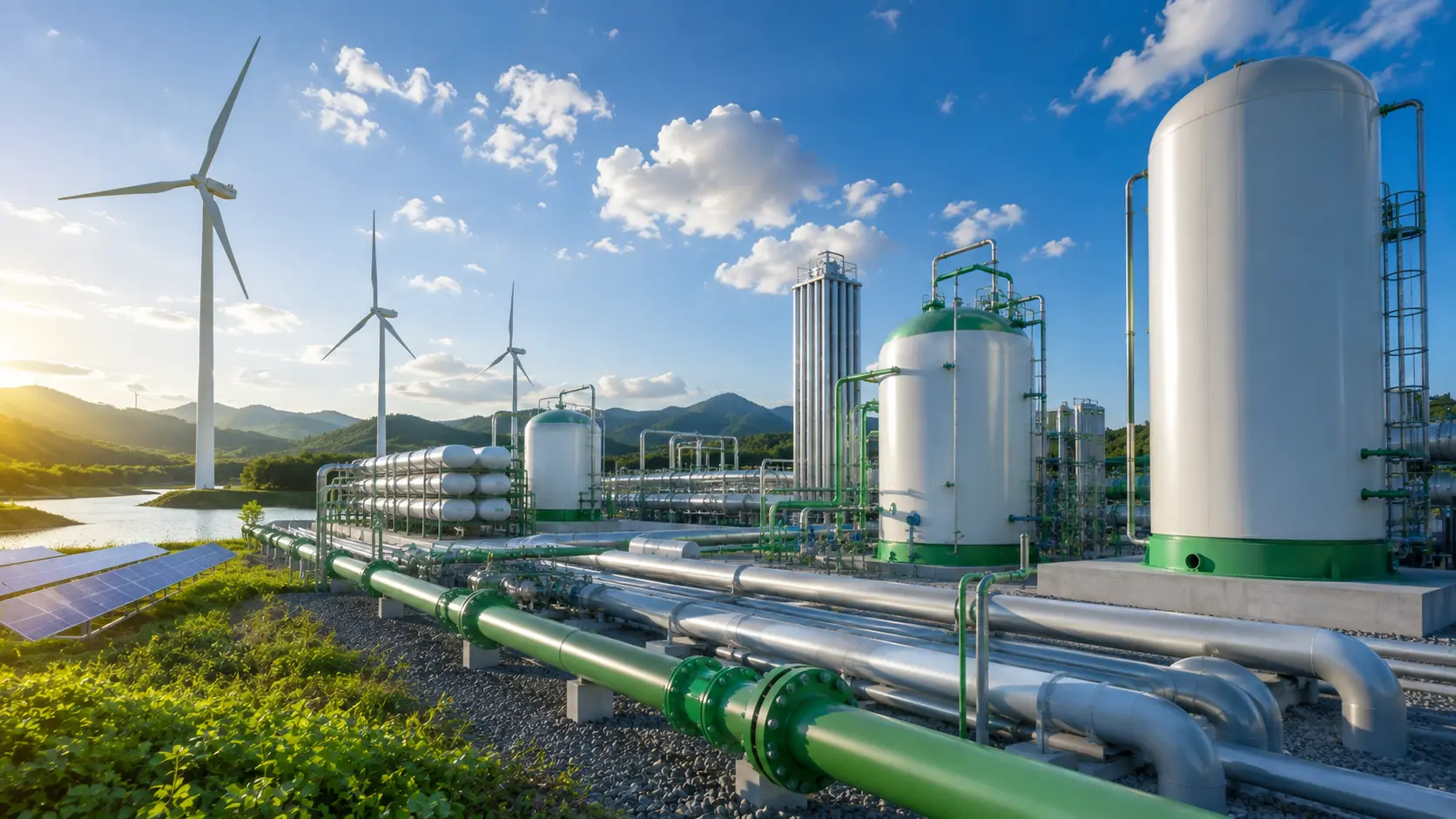
A critical component of advancing sustainable power infrastructure is the deployment of large-scale energy storage systems. As the share of renewables in the energy mix grows, the need for storage to bridge the gap between generation and demand becomes increasingly urgent. While lithium-ion batteries have been highly successful for short-term balancing and frequency regulation, they are not always suitable for the long-duration storage needed to manage seasonal fluctuations in wind and solar output. This has led to a surge of interest in alternative storage technologies, such as pumped hydro, compressed air energy storage (CAES), and green hydrogen.
Energy storage not only provides a buffer for renewable energy but also enhances the overall resilience of the power infrastructure. In the face of increasing extreme weather events driven by climate change, storage systems can provide critical backup power to hospitals, communication networks, and other essential services. Microgrids—localized energy systems that can operate independently from the main grid—are also becoming a key part of the resilience strategy. By combining local renewable generation with storage and advanced control systems, microgrids can provide energy security to remote communities and industrial sites, ensuring that they remain powered even during major grid failures.
Electrification and the Surge in Global Power Demand
The expansion of sustainable power infrastructure is also being driven by the massive electrification of sectors that were previously powered by fossil fuels. The rapid adoption of electric vehicles (EVs) is perhaps the most visible sign of this shift. As millions of EVs hit the road, the demand for electricity is set to increase significantly, requiring a corresponding expansion of charging infrastructure and grid capacity. Smart charging strategies—where EVs are charged during periods of low demand or high renewable generation—are essential for managing this new load and preventing grid congestion.
Beyond transportation, the electrification of buildings and industrial processes is also gathering momentum. Heat pumps are increasingly replacing gas boilers for domestic heating, while electric arc furnaces are becoming the standard for sustainable steel production. This shift toward everything electric requires a holistic approach to infrastructure planning, ensuring that the generation, transmission, and distribution systems grow in tandem with demand. Advancing sustainable power infrastructure worldwide involves coordinating these multi-sectoral changes to ensure a smooth and efficient transition.
The Role of Cross-Border Interconnections and Energy Trade
Energy does not respect national borders, and the creation of large-scale cross-border interconnections is a vital part of the global strategy for sustainable power infrastructure. By linking the electrical grids of different countries, regions can share renewable energy resources and improve overall system reliability. For example, a country with excess wind power at night can export electricity to a neighbor with high industrial demand, reducing the need for local fossil-fuel generation. These super-grids are already emerging in regions like Europe and the Nordics, providing a model for how international cooperation can enhance energy sustainability.
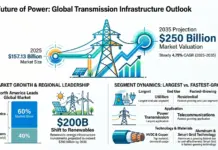
The development of high-voltage direct current (HVDC) technology is a key enabler of these long-distance interconnections. HVDC systems can transmit large amounts of power over thousands of kilometers with significantly lower losses than traditional alternating current (AC) systems. This makes it feasible to harvest renewable energy in remote locations—such as offshore wind farms or desert solar parks—and transport it to distant urban centers. The expansion of HVDC networks is a critical part of the physical infrastructure needed to support a truly global clean energy market, where sustainable power can be traded as a commodity across continents.
Decarbonization and the Transition of Fossil Fuel Infrastructure
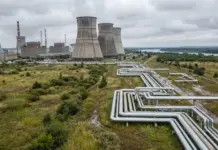
As we advance sustainable power infrastructure, we must also address the legacy of our fossil fuel past. The transition involves not just building new assets but also managing the phase-out and repurposing of existing ones. In many cases, former coal-fired power plants are being converted into sites for battery storage or green hydrogen production, leveraging their existing grid connections and skilled workforce. This just transition approach ensures that communities that were previously dependent on the fossil fuel industry are not left behind in the clean energy economy.
Carbon capture, utilization, and storage (CCUS) also plays a role in the transition of power infrastructure. While the primary goal is to shift to 100% renewables, CCUS can provide a way to decarbonize existing natural gas plants that are still needed for grid stability during the transition phase. Integrating CCUS with power infrastructure requires the development of dedicated CO2 pipelines and storage facilities, creating a new layer of infrastructure that must be managed alongside the electrical grid. The strategic use of CCUS, combined with a rapid scale-up of renewables, provides a multi-pronged approach to achieving deep decarbonization across the power sector.
Addressing the Financial and Regulatory Challenges
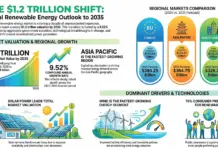
The scale of investment required for sustainable power infrastructure is immense, estimated in the trillions of dollars over the coming decades. Attracting this capital requires stable and predictable regulatory environments that provide long-term certainty for investors. Governments are increasingly using mechanisms like power purchase agreements (PPAs), feed-in tariffs, and competitive auctions to de-risk investments in renewable energy and grid upgrades. Furthermore, the rise of green finance and ESG (Environmental, Social, and Governance) investing is providing a new pool of capital for sustainable infrastructure projects.
Regulatory innovation is also needed to manage the transition to a more decentralized and digital grid. Traditional utility business models, which are often based on the volume of energy sold, must evolve to reward efficiency, flexibility, and reliability. Regulatory frameworks must also address issues related to data privacy, cybersecurity, and consumer protection in the age of the smart grid. By fostering a supportive regulatory environment, policymakers can ensure that the transition to sustainable power infrastructure is both rapid and equitable, benefiting all members of society.
Future Outlook: The Global Energy Landscape in 2050
Looking ahead to 2050, the vision for global power infrastructure is one of a fully integrated, zero-carbon, and highly resilient energy system. In this future, sustainable power infrastructure will have enabled the complete decarbonization of the global economy, providing clean and affordable energy to all. The grid will be a sophisticated network of intelligent devices, seamlessly balancing supply and demand across continents and sectors. The challenges of variability and storage will have been solved through a combination of diverse renewable resources, long-duration storage, and advanced digital controls.
The journey toward this future is already underway, driven by the ingenuity of engineers, the vision of policymakers, and the commitment of citizens around the world. Every mile of new transmission line, every smart meter installed, and every wind turbine erected is a step toward a more sustainable and resilient world. PowerGen Advancement belives that the advancement of sustainable power infrastructure is not just a technical project. It is a global mission to build a future where energy is no longer a source of conflict or environmental destruction, but a driver of human progress and planetary health. As we continue to innovate and invest, the promise of a clean energy future is becoming an operational reality for people everywhere.