








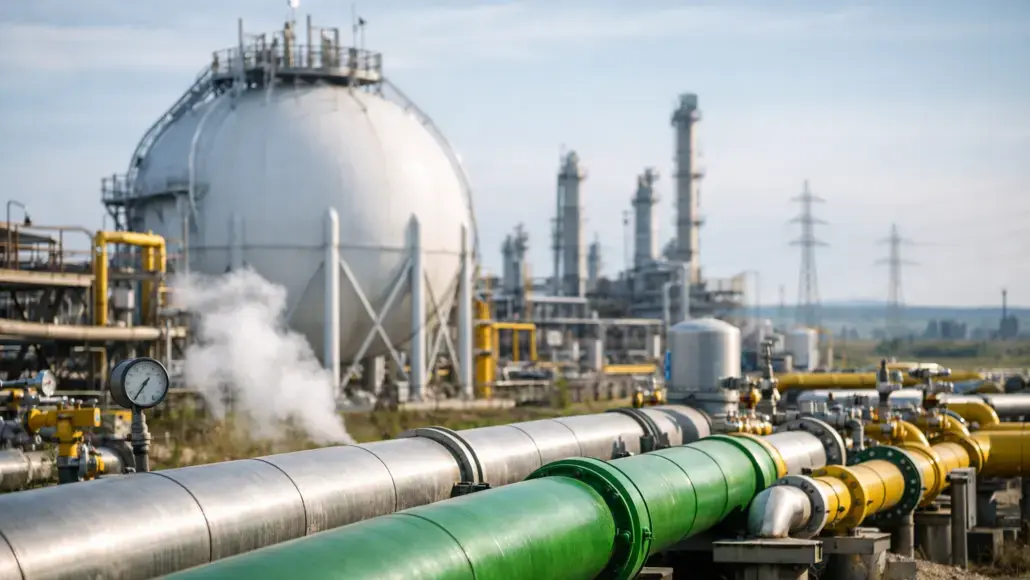
The integration of hydrogen into existing energy systems is a multi-dimensional challenge, with hydrogen blending in gas infrastructure emerging as a pivotal near-term strategy for decarbonizing the natural gas sector. As nations seek practical pathways to reduce their reliance on unabated fossil fuels, the ability to utilize current pipeline networks to transport hydrogen blends offers a compelling opportunity to achieve immediate emissions reductions without the need for a total overhaul of the energy system. This approach leverages the vast, pre-existing investment in natural gas infrastructure while providing a crucial stepping stone toward a future dedicated hydrogen economy. However, the transition from pure natural gas to hydrogen-enriched mixtures is far from simple, requiring careful technical evaluation, regulatory updates, and significant operational adjustments to ensure both safety and efficiency.
Hydrogen blending involves the injection of hydrogen into natural gas pipelines, creating a mixture that can be used for heating, industrial processes, and power generation. The environmental benefit stems from the fact that hydrogen, when burned, produces only water vapor, thereby lowering the overall carbon intensity of the gas stream. For many countries, blending represents the most efficient way to start decarbonizing the heating sector, which is notoriously difficult to electrify due to the high seasonal peak demands and the extensive existing gas infrastructure in residential and commercial buildings. PowerGen Advancement notes that by gradually increasing the percentage of hydrogen in the blend, gas network operators can incrementally reduce carbon emissions while gaining the operational experience needed for more significant infrastructure transformations in the future.
Technical Feasibility and Material Integrity in Gas Pipelines
One of the primary considerations in the implementation of hydrogen blending in gas infrastructure is the integrity of the materials used in existing pipelines. Hydrogen is the smallest and lightest element, and its physical properties are significantly different from those of methane, the primary component of natural gas. A phenomenon known as hydrogen embrittlement is a major concern, particularly for high-pressure steel pipelines. Hydrogen atoms can diffuse into the metal structure, causing it to become brittle and more susceptible to cracking under stress. Extensive research and testing programs, such as the HyBlend initiative in the United States and various European projects, are currently underway to determine the safe blending limits for different pipeline materials and conditions.
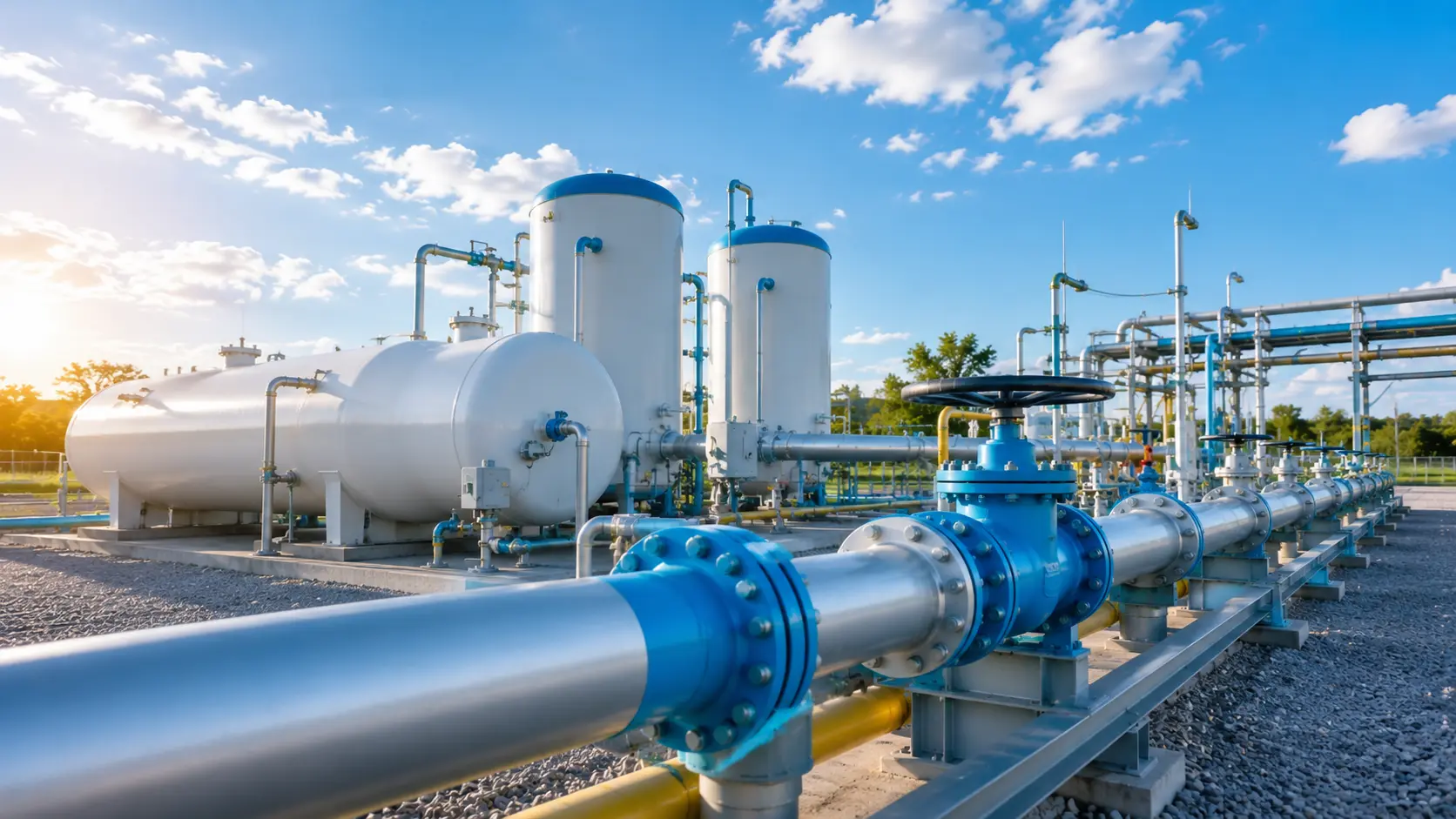
In addition to material integrity, the impact of hydrogen on other infrastructure components must be carefully managed. Seals, gaskets, and valves that were designed for natural gas may not perform as effectively with hydrogen, potentially leading to increased leakage. Furthermore, the lower energy density of hydrogen by volume means that a larger volume of gas must be transported to deliver the same amount of energy, which may require higher operating pressures or more frequent compression. These technical challenges necessitate a rigorous, asset-by-asset assessment before blending can be safely introduced on a large scale. The development of new monitoring and detection technologies specifically designed for hydrogen-natural gas blends is a critical part of the infrastructure readiness strategy.
Impact on End-Use Equipment and Combustion Systems
The introduction of hydrogen into the gas stream also has significant implications for end-use equipment, such as domestic boilers, industrial burners, and gas turbines. Hydrogen has a higher flame speed and a wider flammability range than natural gas, which can affect the stability and emissions profile of combustion systems. For most domestic appliances, research suggests that blends of up to 20% hydrogen by volume can be handled without major modifications. However, as the blending percentage increases, the risk of flashback, where the flame travels back into the burner, and changes in heat output become more pronounced. Manufacturers are already beginning to develop hydrogen-ready appliances that can be easily converted to run on 100% hydrogen when the time comes.
In industrial applications, the impact of hydrogen blending can be even more complex. High-temperature processes, such as those in the glass and ceramic industries, are sensitive to changes in flame temperature and radiative heat transfer. Similarly, gas turbines used for power generation require specialized burner designs to handle the increased reactivity of hydrogen. Many turbine manufacturers are now testing and certifying their equipment for varying levels of hydrogen blending, with some already capable of running on blends as high as 50% or more. The coordination between gas suppliers, equipment manufacturers, and end-users is essential for ensuring that the transition to hydrogen-blended gas is seamless and does not disrupt critical industrial operations.
Regulatory Frameworks and International Standards for Blending
The successful scaling of hydrogen blending in gas infrastructure requires the development of clear and consistent regulatory frameworks. Currently, the allowed blending limits vary significantly from country to country, reflecting the differing states of research and infrastructure readiness. Establishing international standards for gas quality, safety protocols, and carbon accounting is essential for creating a predictable environment for investors and operators. These standards must address issues such as how the carbon reduction benefits of blending are verified and traded, and how the costs of infrastructure upgrades are recovered through gas tariffs.
Policymakers are also exploring the use of mandates and incentives to encourage blending. For example, some jurisdictions are considering renewable gas mandates that require gas suppliers to include a minimum percentage of green hydrogen or biomethane in their supply. Others are using carbon taxes to make hydrogen blending more economically attractive relative to unabated natural gas. The goal is to create a market environment where blending is not only technically feasible but also economically viable. The harmonization of these regulations across borders is particularly important for integrated gas markets, such as the European Union, where gas flows freely between member states.
Operational Challenges and Grid Management in a Blended Environment
The operational management of a gas network becomes significantly more complex in a hydrogen-blended environment. Unlike natural gas, which is relatively uniform in composition, the hydrogen concentration in a blended network may vary over time and across different parts of the system. This variability can be caused by the intermittent nature of green hydrogen production and the injection of hydrogen at multiple points in the network. Gas operators must deploy advanced sensing and control systems to monitor gas composition in real-time, ensuring that the blend remains within the safe operating limits for all connected equipment.
The use of hydrogen de-blending technologies is also being explored as a way to manage this variability. These systems can extract pure hydrogen from the blend at specific points in the network, allowing high-value users—such as hydrogen fuel cell vehicles or chemical plants—to receive the pure hydrogen they require while other users continue to receive the blend. This flexibility allows the gas grid to act as both a transport and storage medium for hydrogen, providing a valuable service to the wider energy system. The strategic integration of blending with other hydrogen pathways, such as dedicated hydrogen pipelines and localized production hubs, is a key feature of the long-term energy transition strategy.
Decarbonizing the Heating Sector through Blending
The heating of buildings is one of the most challenging areas to decarbonize, particularly in temperate and cold climates where peak demand during winter is many times higher than the average load. While heat pumps are an excellent solution for many buildings, they can put a significant strain on the electrical grid during peak periods and may be difficult to install in older, less energy-efficient structures. Hydrogen blending offers a way to utilize the existing gas grid to meet this peak demand with lower-carbon fuel. By using the gas network as a form of seasonal energy storage, we can reduce the need for massive and expensive upgrades to the electrical distribution system.
The hybrid heating model, which combines heat pumps with hydrogen-ready gas boilers, is gaining attention as a practical way to balance the strengths of both systems. In this model, the heat pump provides the majority of the heating throughout the year, while the gas boiler kicks in only during the coldest periods. This approach minimizes carbon emissions while ensuring that buildings remain warm and comfortable even in the most extreme weather. The expansion of hydrogen blending infrastructure is a vital enabler for this hybrid model, providing the clean fuel needed to make it a truly sustainable solution. By providing multiple pathways for decarbonization, we can ensure a more resilient and cost-effective transition for the heating sector.
Economic Considerations and the Value of Existing Assets
The economic case for hydrogen blending is rooted in the preservation and repurposing of existing infrastructure assets. Building a completely new energy system from scratch would be astronomically expensive and take decades to complete. By contrast, leveraging the trillions of dollars already invested in gas pipelines, storage facilities, and end-use equipment allows for a much faster and more affordable transition. The cost of upgrading these assets for hydrogen blending is typically a fraction of the cost of building new ones, making it an attractive option for both taxpayers and energy consumers.
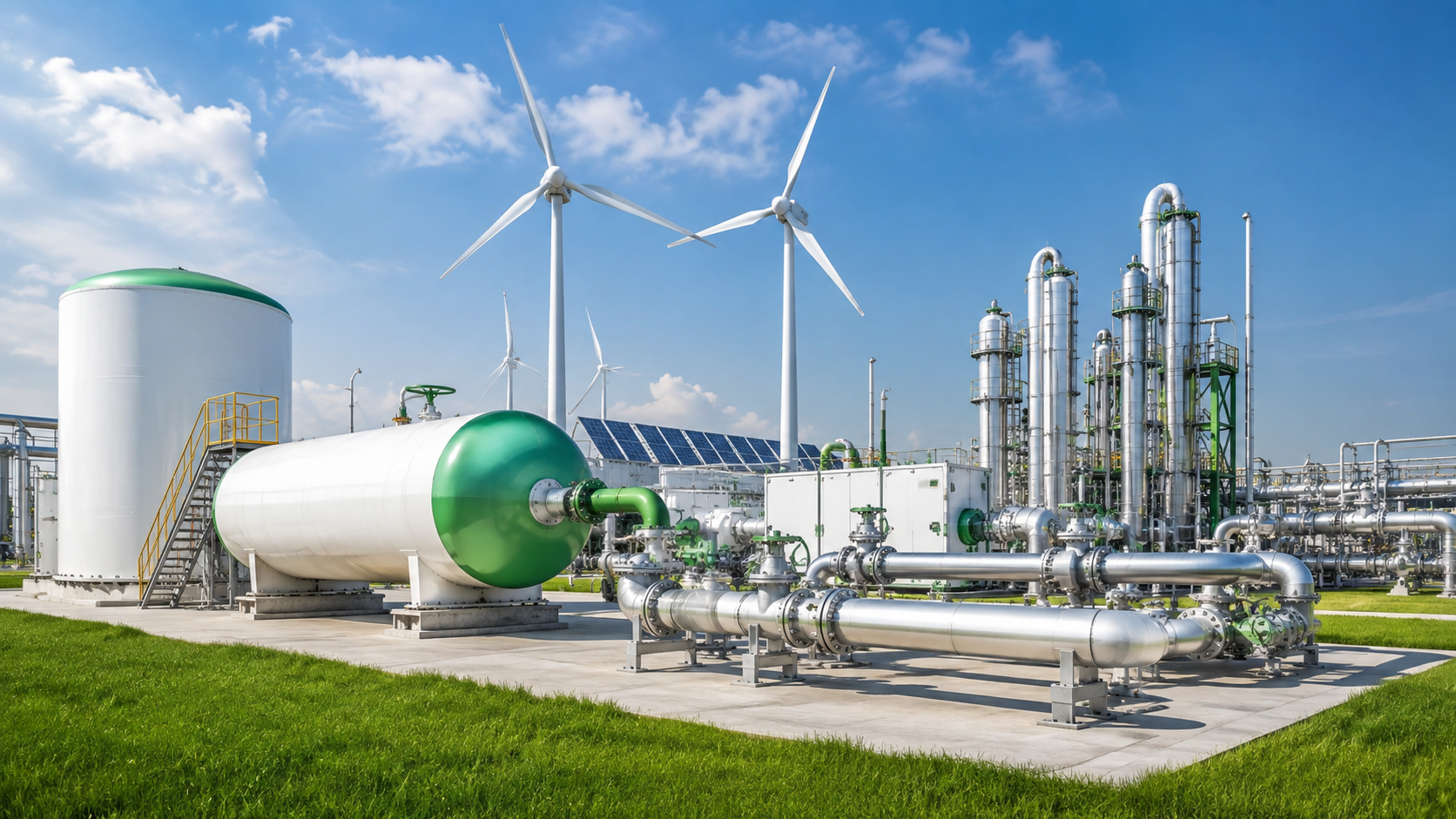
However, the economics of blending are also tied to the cost of hydrogen itself. Currently, green hydrogen is more expensive than natural gas, which means that blending will increase the cost of energy for consumers unless subsidies or carbon taxes are applied. As the scale of hydrogen production increases and costs fall, the economic gap will narrow. Furthermore, the value of blending should be viewed in the context of the total system cost of decarbonization. When the costs of grid upgrades, energy storage, and backup generation are taken into account, hydrogen blending often emerges as a highly competitive component of the clean energy mix.
Future Perspectives: From Blending to a Dedicated Hydrogen Backbone
While hydrogen blending is a valuable near-term strategy, it is ultimately a bridge to a more comprehensive hydrogen economy. The long-term vision in many regions, particularly in Europe, is the creation of a dedicated hydrogen backbone—a network of pipelines that transport 100% pure hydrogen across the continent. This backbone will likely be formed by a combination of new pipelines and the full conversion of existing natural gas assets. The experience gained through blending will be invaluable for this transition, providing the technical knowledge and regulatory framework needed to operate pure hydrogen systems at scale.
The transition from blending to a dedicated backbone will likely happen in phases, starting with industrial clusters where demand for pure hydrogen is high. These clusters will then be linked together by high-capacity transmission lines, creating a national and eventually international hydrogen market. Throughout this process, the role of hydrogen blending in gas infrastructure will evolve from a primary decarbonization tool to a flexible balancing mechanism that supports the wider energy system. PowerGen Advancement believes that by taking a strategic and phased approach, we can ensure that the transition to hydrogen is both safe and sustainable, unlocking the full potential of this versatile fuel for a clean energy future. The journey from natural gas to a hydrogen-powered world is a complex one, but the steps we take today toward blending are the foundation for the energy system of tomorrow.