











In the quest for energy security and decarbonization, the paradigm of power generation is shifting from massive, centralized plants to smaller, more distributed systems. At the heart of this transition is the emergence of nuclear microreactors. These compact, versatile energy sources are designed to provide reliable, carbon-free power to industrial sites, remote communities, and critical infrastructure where traditional grid connections are either impossible or prohibitively expensive. In 2026, PowerGen Advancement notes the first commercial deployments of these systems as demonstrations that nuclear energy can be both portable and highly adaptable to a wide range of localized needs.
Defining the Compact Powerhouse: What are Microreactors?
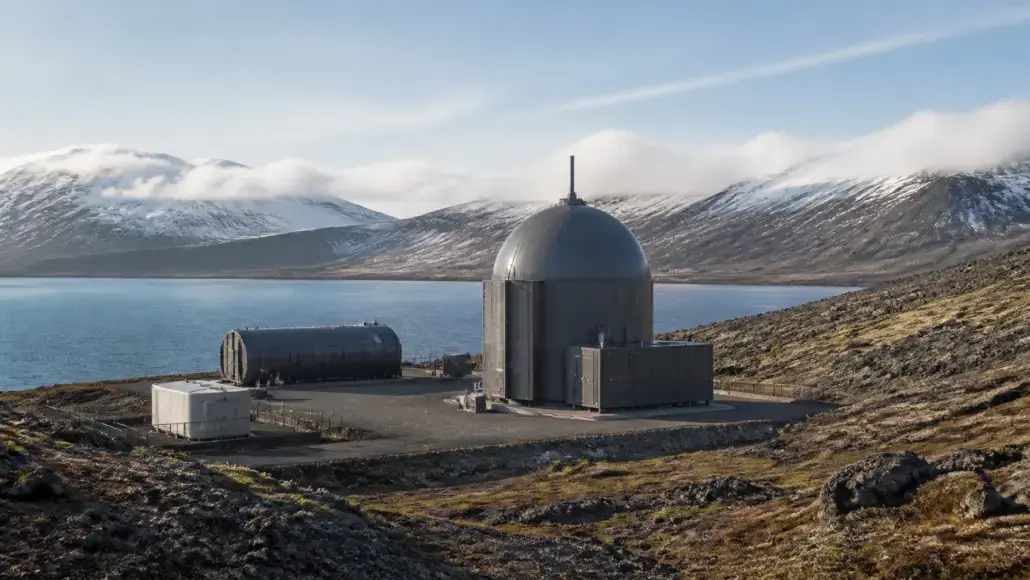
Nuclear microreactors are typically defined as reactors with a power output ranging from 1 to 20 megawatts (MW). Unlike large-scale nuclear plants that require decades of construction and vast amounts of water for cooling, microreactors are designed to be factory-built, transportable by truck or shipping container, and installed onsite in a matter of weeks. They are essentially nuclear batteries that can operate autonomously for years without refueling, making them an ideal solution for off-grid applications.
The technology behind nuclear microreactors often leverages advanced fuels and coolants, such as TRISO fuel and heat pipes. TRISO (Tri-structural Isotropic) fuel is inherently robust, capable of withstanding extreme temperatures without melting, which significantly simplifies the reactor’s safety systems. Heat pipes allow for the passive removal of heat from the reactor core without the need for pumps or moving parts, further enhancing the system’s reliability and safety. These features allow microreactors to operate with a minimal onsite footprint and reduced oversight, a critical factor for deployment in remote or unattended locations.
Revolutionizing Energy Access for Remote Communities
For remote communities in the Arctic, on islands, or in deep mountainous regions, energy access has traditionally meant a reliance on expensive and carbon-intensive diesel generators. The logistics of transporting fuel to these areas are often precarious and costly, leading to energy poverty and economic instability. Nuclear microreactors offer a transformative alternative. A single microreactor can provide a continuous supply of clean electricity and heat for an entire community for 10 to 20 years, completely decoupling them from the diesel supply chain.
The social and economic benefits of this transition are profound. Reliable, low-cost power enables the development of local industries, improves healthcare and education facilities, and supports modern communication networks. In 2026, pilot projects in northern Canada and Alaska are showing that microreactors can be integrated into local microgrids alongside wind and solar power, providing a stable baseload that ensures the lights stay on even when the weather is unfavorable. This newfound energy independence is a key driver for the revitalization of remote regions.
Providing Resilient Power for Industrial and Strategic Sites
Beyond remote communities, nuclear microreactors are finding a critical role in powering energy-intensive industrial operations, such as mining sites, data centers, and chemical plants. These facilities require a high level of power reliability—often referred to as five nines availability—which is difficult to achieve with renewables alone in off-grid locations. A microreactor provides a dedicated, resilient power source that is immune to grid outages and fuel price volatility, allowing industrial operators to focus on their core business with confidence.
Furthermore, microreactors are becoming an essential component of military and strategic infrastructure. Military bases, both at home and abroad, require a secure and autonomous power supply to maintain operations during crises. The ability of nuclear microreactors to be rapidly deployed and provide years of power without a logistics tail makes them an invaluable asset for national defense. In 2026, several defense agencies have successfully integrated microreactors into their resilient base initiatives, demonstrating the technology’s ability to operate safely in high-stakes environments.
The Economic and Regulatory Case for Micro-Scale Nuclear
The economic viability of nuclear microreactors is rooted in their modularity and factory-based manufacturing. By building reactors in a controlled factory environment, companies can achieve higher quality control and significant cost reductions through learning-by-doing and economies of scale. The reduced onsite construction time further lowers the financial risk for developers, making microreactors an attractive option for private financing. As the market for these systems matures, the cost per kilowatt-hour is expected to become competitive with traditional energy sources in many niche markets.
Regulatory frameworks are also adapting to accommodate the unique characteristics of nuclear microreactors. Conventional nuclear regulations were designed for large, complex plants and are often overly burdensome for small, simple systems. In 2026, regulatory bodies like the U.S. Nuclear Regulatory Commission (NRC) are implementing more flexible, risk-informed licensing pathways. These new rules focus on the inherent safety of the technology rather than prescriptive requirements, allowing for a more streamlined approval process while maintaining the highest safety standards. This regulatory evolution is crucial for enabling the rapid deployment of microreactors at the scale needed to make a global impact.
Safety and Public Acceptance in the Micro-Nuclear Era
Safety is the paramount concern for any nuclear technology, and nuclear microreactors are no exception. The designers of these systems have prioritized walk-away safety, where the reactor can naturally shut down and cool itself without any external power or human intervention. This is achieved through the use of high-temperature fuels and passive cooling mechanisms that are physically incapable of undergoing a meltdown. By making the safety systems part of the fundamental physics of the reactor, the industry is addressing the root causes of public anxiety regarding nuclear power.
Public engagement is particularly important for microreactors because they are often deployed in closer proximity to people and businesses. Transparent communication about the technology’s benefits and safety features is essential for building trust. In 2026, successful community-led projects are demonstrating that when local residents are involved in the planning and oversight process, the social acceptance of nuclear microreactors increases significantly. By positioning microreactors as a partner in local sustainability, the industry can overcome historical stigmas and pave the way for a new era of distributed nuclear energy.
The Future: Scaling the Nuclear Battery Market
As we look toward 2030, the market for nuclear microreactors is poised for explosive growth. Advances in manufacturing, such as 3D printing of reactor components, and the development of new fuel types will continue to drive down costs and improve performance. We may even see the emergence of power-as-a-service models, where companies lease microreactors to customers, handling all the operations, maintenance, and end-of-life management.
The vision of a world powered by a fleet of safe, clean, and portable nuclear microreactors is becoming a reality. These compact systems are not intended to replace the large-scale grid but to complement it, filling the gaps where traditional energy infrastructure fails to reach. PowerGen Advancement believes that by bringing clean power to the farthest corners of the globe and the most demanding industrial sites, microreactors are proving to be the next frontier in the global energy transition.