










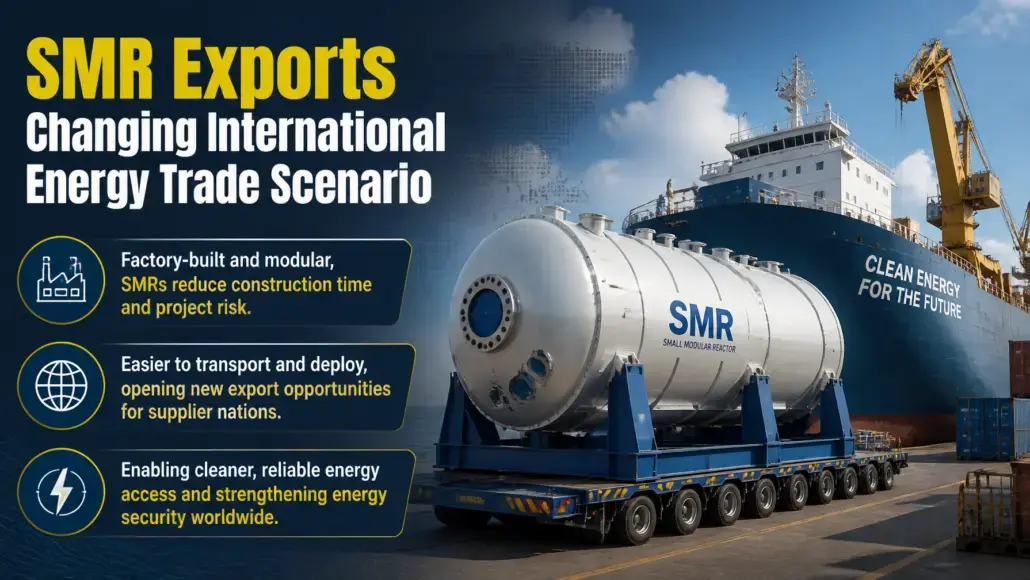
The international energy market is witnessing a significant shift in how nuclear power is developed, traded, and integrated into national grids. For decades, nuclear energy was synonymous with massive, multi billion dollar projects that took over a decade to complete and required immense engineering resources. In 2026, the emergence of small modular reactors (SMR) has fundamentally changed this dynamic. These reactors, which are smaller in scale and can be manufactured in centralized factories, are becoming a key export commodity for nations looking to provide stable, low carbon baseload power to their regional partners. This modular approach is not just a technological change but a complete reimagining of the nuclear business model.
The primary advantage of SMRs lies in their versatility, scalability, and significantly reduced financial risk. By using standardized designs and modular construction techniques, developers can lower the upfront capital required for nuclear projects, making them more manageable for private investors and smaller utilities. This makes nuclear energy accessible to smaller nations or industrial zones that cannot support a full scale gigawatt reactor. As a result, a new market for SMR exports has developed, where advanced nuclear nations provide technology, fuel, and operational expertise to countries seeking to decarbonize their heavy industry and power grids without sacrificing reliability.
Market Projections and the Global Surge in Investment
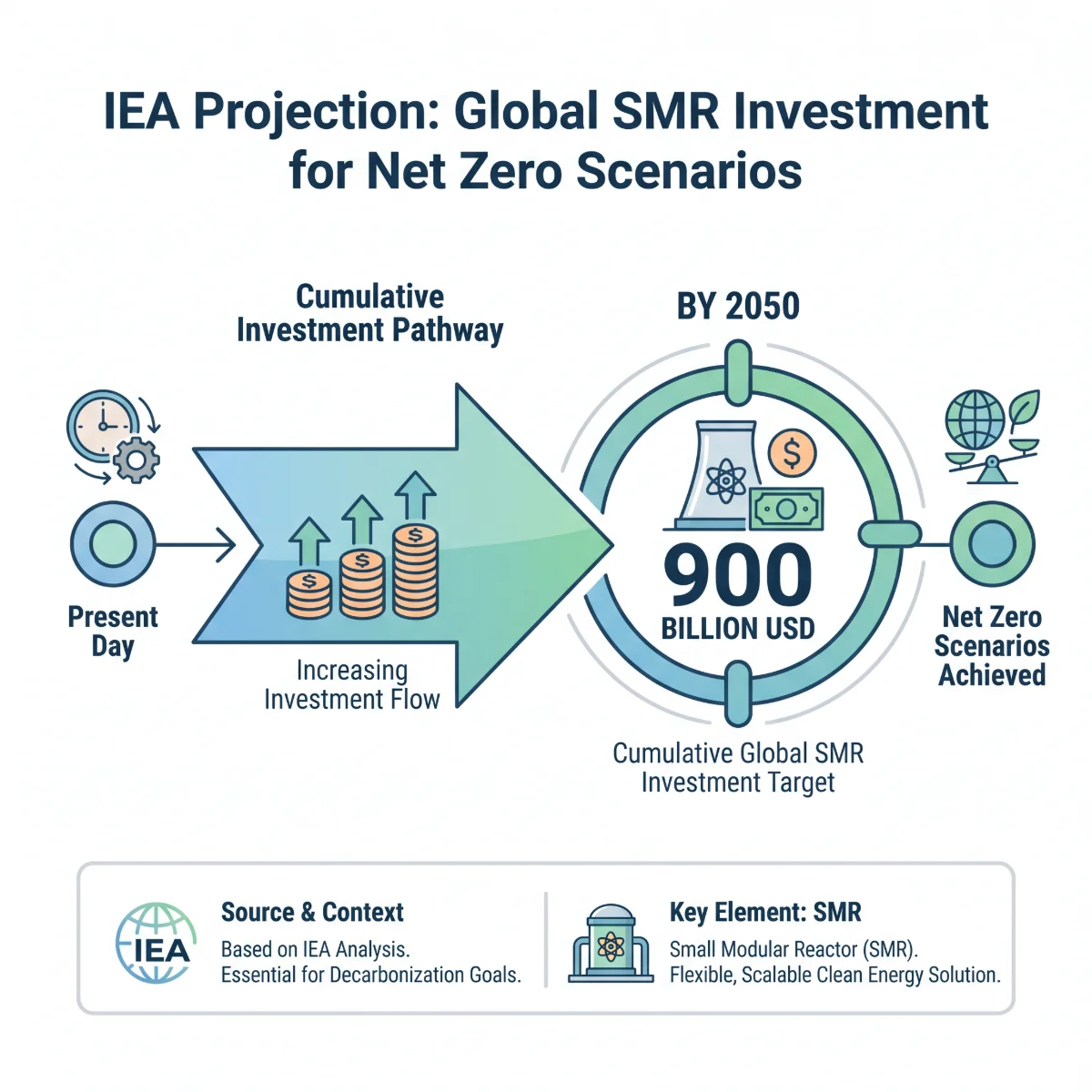
The scale of this emerging sector is substantial and reflects a growing global consensus on the need for reliable baseload power. The International Energy Agency projects that cumulative global SMR investment must reach 900 billion USD by 2050 to meet net zero scenarios.
Commercial market estimates for 2026 show that the sector is already tracking toward a valuation of over 14 billion USD by the mid 2030s. This growth is supported by significant export financing from government agencies, including over 4 billion USD in letters of interest from the U.S. EXIM Bank and the Development Finance Corporation for projects across Europe and Asia.
Major technology providers are aggressively pursuing international agreements to deploy their SMR designs across a variety of markets. Rolls-Royce SMR has secured a major equity investment from the Czech utility CEZ to deploy up to 3 GW of capacity across various sites, providing a blueprint for regional nuclear clusters. In North America and Eastern Europe, GE Hitachi is advancing its BWRX-300 design, forming strategic alliances with Samsung C&T and Polish energy developers to build a large fleet of units. This collaborative approach allows for the sharing of manufacturing resources and regulatory knowledge, further accelerating the pace of deployment.
Recent milestones in 2025 and 2026 include a series of groundbreaking projects:
- The Darlington New Nuclear Project in Canada, which is currently deploying four GE Hitachi BWRX-300 reactors to serve as a global reference plant for the industry.
- NuScale Power completing major engineering and design studies for the 462 MWe Doicești project in Romania, which aims to convert a former coal site into a clean nuclear hub.
- Holtec International executing a master agreement with Energoatom in Ukraine to deploy up to 20 SMR-300 units as part of the country’s energy grid reconstruction and modernization.
- Google and Kairos Power signing a master development agreement to deploy 500 MW of fluoride salt cooled SMRs to power hyperscale AI data centers with constant carbon free energy.
- Westinghouse marketing its AP300 design across Nordic and Central European markets to replace aging fossil fuel plants and provide heat for industrial processes.
- The advancement of HALEU fuel supply chains, which are essential for many advanced SMR designs, through new enrichment facilities in the United States and Europe.
Integrating SMRs into Regional Power Grids and Trade
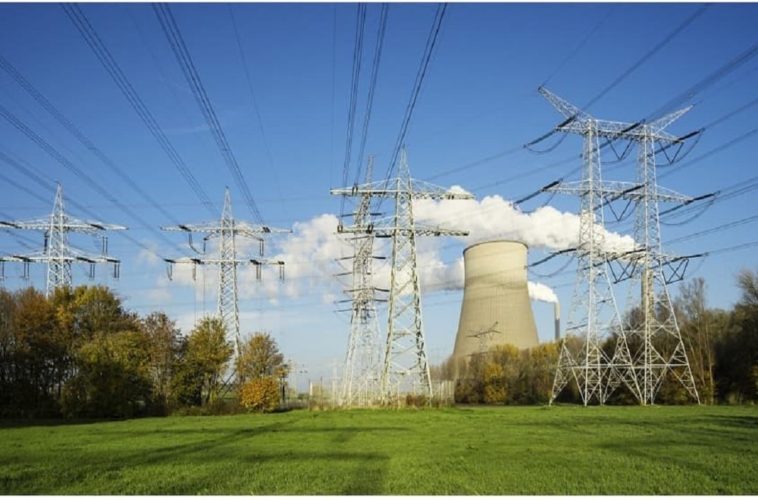
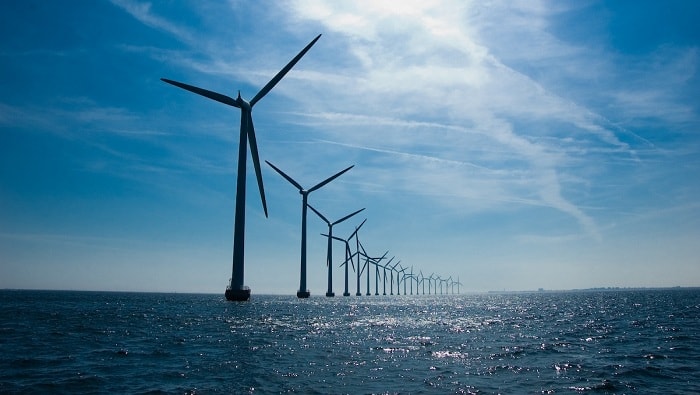
The deployment of SMR fleets is changing the nature of cross border power trade by providing a more flexible form of nuclear energy. Unlike large conventional reactors, many SMR designs are capable of load following, meaning they can adjust their output to complement the variability of wind and solar power. This makes them ideal for regional grids that have a high penetration of renewables but still require a solid foundation of baseload. By providing a steady supply that can also be flexible, SMRs reduce the need for fossil fuel peaking plants and enhance the overall reliability of the international grid.
To manage the steady output of these reactors during periods of low demand, long-duration energy storage is becoming critical for stabilizing power trade links across national borders. This combination of nuclear baseload and long duration storage allows grid operators to maintain a perfectly balanced system regardless of the weather or time of day. The ability to export this entire package of technology and services, often referred to as a ‘grid in a box’, is a major strategic priority for leading nuclear nations as they compete for market share in the global energy transition.
Safety and regulatory harmonization are also moving forward at an unprecedented pace. In 2026, several international regulatory bodies have begun to coordinate their licensing processes for SMR designs, moving away from purely national reviews. This allows a design approved in one country to undergo a streamlined review in another, further reducing the time and cost of deployment. This international cooperation is essential for scaling the industry at the speed required to meet global climate targets. The goal is to create a global market where SMRs can be moved and deployed as easily as traditional industrial equipment.
The Role of SMRs in Deep Industrial Decarbonization
Beyond the power grid, SMRs are being targeted for heavy industrial applications that are difficult to electrify. High temperature reactor designs can provide the steam and heat needed for chemical processing, steel manufacturing, and high efficiency hydrogen production. This opens up a new export market for industrial heat, where an SMR located in one country could provide zero carbon energy to an industrial cluster across a nearby border. This multi purpose use of nuclear energy increases the economic viability of SMR projects and broadens their appeal to a wider range of stakeholders.
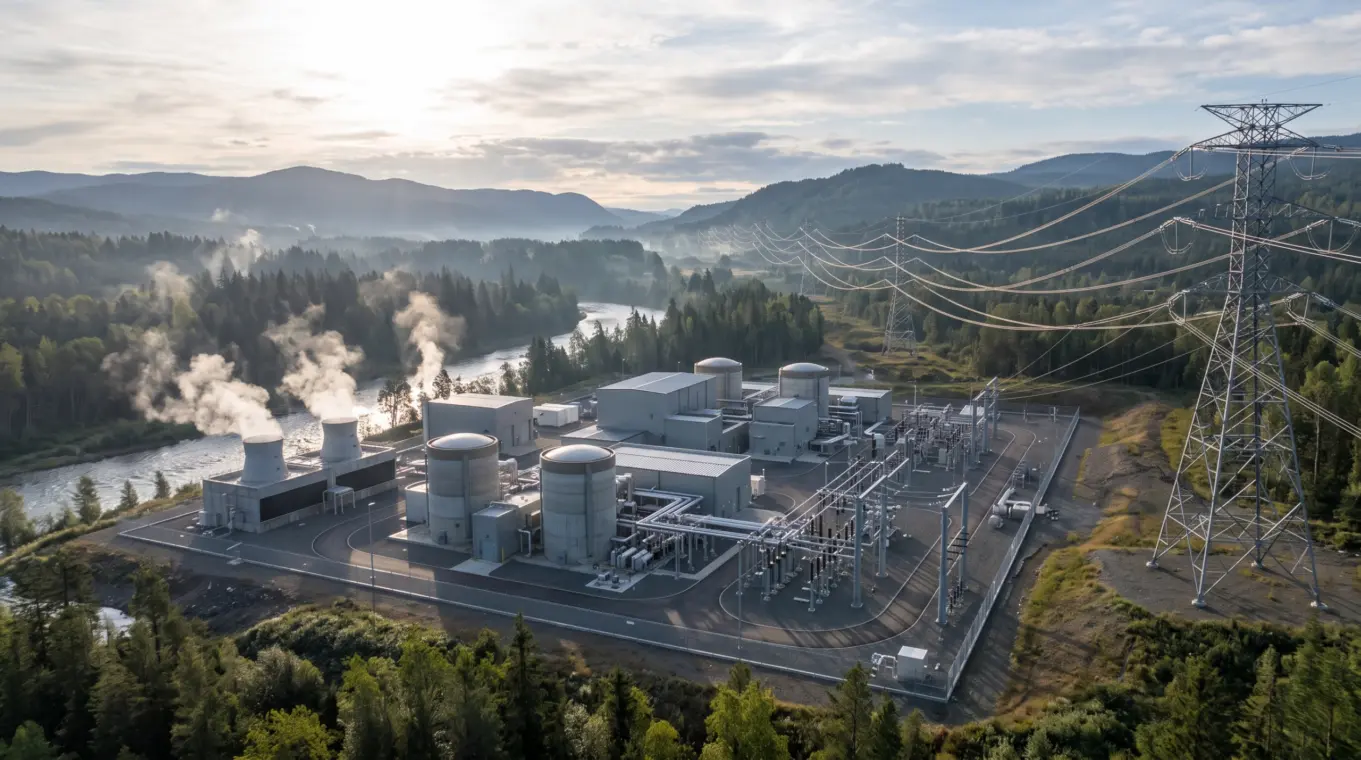
Environmental considerations also favor the adoption of SMRs. Their smaller footprint means they can be located on brownfield sites, such as retired coal plants, utilizing existing transmission infrastructure and minimizing land use changes. The modular nature of the reactors also simplifies the decommissioning process, as major components can be removed and processed in specialized facilities. This holistic view of the nuclear lifecycle is essential for gaining public acceptance and ensuring the long term sustainability of the industry.
Strategic Resilience and the Future of Nuclear Trade
As we look toward the 2030s, the role of SMRs in global energy trade will only continue to grow. The ability of these reactors to provide a secure and domestic source of power is a powerful incentive for nations looking to reduce their dependence on imported fossil fuels. The transition toward a more decentralized and modular nuclear industry will create new opportunities for innovation in reactor design, fuel cycles, and grid integration.
The strategic importance of nuclear technology means that SMR exports are also a matter of national security and international influence. Leading nations are using their nuclear expertise to build long term relationships with partners, ensuring that the global nuclear market remains governed by high standards of safety, security, and non proliferation. This geopolitical dimension will be a defining factor in how the SMR market evolves, with competition between major technology providers driving a rapid pace of innovation. PowerGen Advancement notes that the success of SMR exports will be measured by their ability to provide clean, reliable, and affordable energy to a world that desperately needs it.
References
- “World Energy Outlook 2025” – International Energy Agency
- “Global SMR Market Size and Growth Forecast 2026” – Market Research Future
- “Rolls-Royce SMR and CEZ Partnership Announcement” – Rolls-Royce SMR
- “GE Hitachi BWRX-300 Project Milestones” – GE Hitachi Nuclear Energy
- “NuScale VOYGR SMR Design Update” – NuScale Power
- “U.S. EXIM Bank Nuclear Export Financing Report” – U.S. EXIM Bank
- “IAEA Report on SMR Regulatory Harmonization 2025” – International Atomic Energy Agency
- Holtec Energoatom Master Agreement Details” – Holtec International