

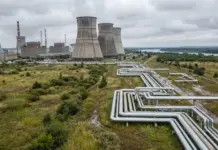












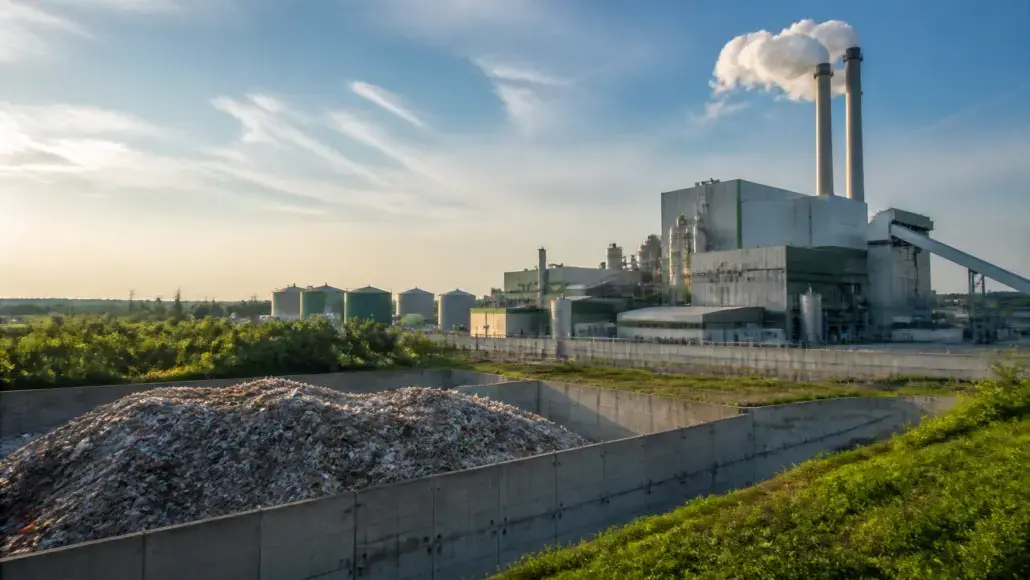
The modernization of the global energy sector is increasingly defined by the intersection of circular economy principles and advanced digital intelligence. Waste-to-Energy (WtE) facilities, once viewed as simple incineration plants, are now evolving into sophisticated hubs of renewable power generation. Scaling AI for waste to energy load management success is at the forefront of this transformation, providing the tools necessary to navigate the inherent complexities of transforming municipal solid waste into reliable electrical and thermal energy. PowerGen Advancement notes that by integrating artificial intelligence into the core of operational management, WtE plants can achieve a level of precision in energy supply that was previously thought impossible, ensuring that they remain a cornerstone of the sustainable smart grid.
The primary challenge in waste-to-energy operations has always been the extreme variability of the feedstock. Unlike natural gas or coal, the calorific value of waste fluctuates hourly based on its composition—ranging from plastics and paper to organic matter and moisture. Artificial intelligence excels in identifying patterns within this chaos, allowing for real-time adjustments to the combustion process that stabilize energy output. Furthermore, scaling AI for waste to energy load management success enables these facilities to act as flexible resources within the broader energy ecosystem, responding dynamically to grid demands and price signals while maintaining high environmental standards.
Advanced Energy Demand Forecasting and AI Integration
The cornerstone of effective waste to energy load management is the ability to predict both the energy supply and the consumer demand with high accuracy. AI-driven energy demand forecasting utilizes historical data, weather patterns, and socio-economic indicators to create granular models of future power needs. For a WtE plant, this means knowing exactly when the grid will require a surge in supply and being able to adjust the waste throughput and steam generation accordingly. This proactive approach to load management minimizes the risk of energy shortages and allows for more efficient utilization of the facility’s capacity.
Scaling AI for waste to energy load management success also involves the use of computer vision and machine learning to analyze the incoming waste stream before it even reaches the furnace. By identifying the moisture content and estimated energy density of the waste in the bunker, the AI can pre-emptively adjust the primary and secondary air feeds. This ensures that the combustion temperature remains within the optimal window for both energy recovery and the destruction of harmful pollutants. The integration of these intelligent systems transforms the WtE plant into an intelligent energy supply node, capable of self-correcting for fuel variability and ensuring a consistent flow of power to the smart grid WtE network.
Automated Load Balancing and Grid Stability
As electrical grids become more complex with the addition of intermittent solar and wind power, the need for automated load balancing has never been greater. WtE facilities are uniquely positioned to provide this stability, provided they are managed with the necessary speed and precision. Scaling AI for waste to energy load management success allows for the automation of complex decisions that traditionally required human intervention. For instance, if the AI detects a sudden drop in voltage on the local grid, it can automatically ramp up the steam turbine’s output by optimizing the combustion of high-calorific waste fractions currently in the system.
This level of automation is facilitated by specialized waste to energy software that integrates with the plant’s existing Supervisory Control and Data Acquisition (SCADA) systems. These software platforms act as a central nervous system, coordinating the actions of the boiler, turbine, and flue gas cleaning systems in real-time. By prioritizing automated load balancing, WtE operators can reduce the operational stress on their equipment, leading to longer asset lifespans and lower maintenance costs. Moreover, the ability to provide reliable firm power makes WtE plants more attractive to utility providers, who are increasingly looking for dispatchable renewable resources to anchor their green energy portfolios.
Enhancing Operational Uptime Through Predictive Maintenance
Operational reliability is a critical component of waste to energy load management success. Unscheduled downtime not only disrupts the energy supply but also creates backlogs in waste management, which can have significant environmental and financial consequences. Scaling AI for waste to energy load management success involves the deployment of predictive maintenance algorithms that monitor the health of critical components like boiler tubes, gratings, and turbine blades. By analyzing vibrations, thermal profiles, and acoustic data, the AI can identify the early signs of wear or failure, allowing maintenance to be scheduled during planned outages.
The use of AI in power generation extends to the optimization of the flue gas treatment process as well. Ensuring that emissions remain well within regulatory limits is a major operational constraint for WtE facilities. AI-driven control loops can optimize the dosing of reagents like lime and activated carbon based on the real-time composition of the exhaust gas. This not only ensures environmental compliance but also reduces the waste of expensive chemicals, improving the overall economic performance of the plant. By maximizing operational uptime and minimizing waste, AI-driven WtE plants set a new standard for industrial efficiency and sustainability.
The Role of WtE in the Smart Grid Ecosystem
The integration of WtE facilities into the smart grid is a key milestone in scaling AI for waste to energy load management success. In a smart grid environment, energy resources must be able to communicate with each other and with the central grid controller. AI-enabled WtE plants can participate in demand-response programs, where they are compensated for adjusting their output to help balance the grid. This requires a high degree of intelligent energy supply capability, as the plant must be able to guarantee its availability and response time within narrow margins.
Furthermore, the data generated by AI-driven WtE facilities can be used to optimize the entire municipal waste management system. By understanding the energy value of different waste streams in real-time, municipalities can adjust their collection and sorting strategies to maximize energy recovery. For example, if the AI identifies that the incoming waste has an abnormally high moisture content, the municipality might investigate the effectiveness of its organic waste separation programs. This feedback loop between energy generation and waste management is a powerful example of how scaling AI for waste to energy load management success can drive broader improvements in urban sustainability.
Future Directions: Digital Twins and Beyond
The future of waste to energy load management lies in the development of increasingly sophisticated digital twins. A digital twin is a virtual replica of the physical WtE plant that is updated in real-time with sensor data. Scaling AI for waste to energy load management success through digital twins allows operators to run ‘what-if’ simulations to test new operational strategies without any risk to the physical equipment. For instance, an operator could simulate the impact of adding a new type of industrial waste to the mix or testing a new combustion control algorithm.
As AI technology continues to evolve, we can also expect to see the emergence of autonomous WtE facilities, where the majority of day-to-day operations are handled by intelligent systems. These plants would be able to self-optimize for energy yield, emissions, and asset health, with human operators moving into more strategic and oversight roles. This shift toward autonomous operation will be essential for managing the growing volume and complexity of global waste streams. By embracing these innovations today, the waste-to-energy industry can ensure its long-term viability and contribute to a cleaner, more resilient energy future for all.
Conclusion: Leading the Charge in Intelligent Energy
In conclusion, scaling AI for waste to energy load management success is a transformative endeavor that redefines the relationship between waste management and energy generation. By harnessing the power of artificial intelligence, WtE facilities can overcome the challenges of feedstock variability and provide a reliable, intelligent energy supply to the modern smart grid. The integration of advanced demand forecasting, automated load balancing, and predictive maintenance ensures that these plants operate at the highest levels of efficiency and environmental performance.
As we move forward, the continued development of waste to energy software and AI-driven control systems will be vital for meeting the world’s dual needs for sustainable waste management and clean energy. PowerGen Advancement sees that the success of the waste-to-energy sector is a testament to the power of human ingenuity and technological innovation. By scaling AI today, we are laying the foundation for a circular economy where waste is no longer a burden but a valuable resource for a brighter and more sustainable tomorrow.