












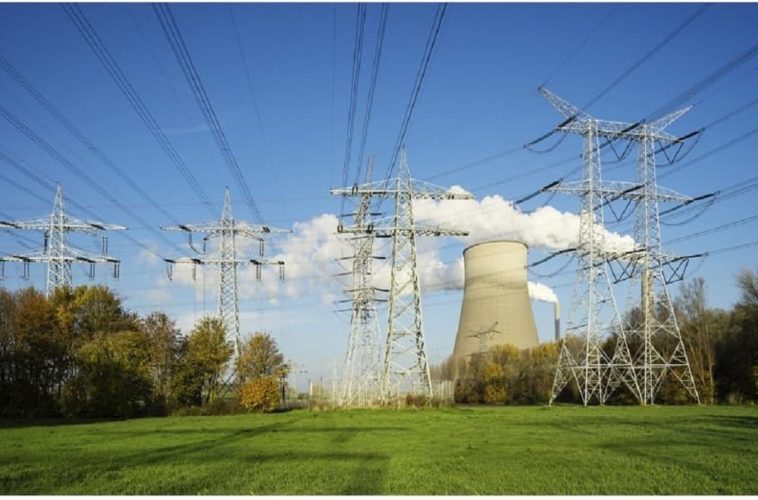
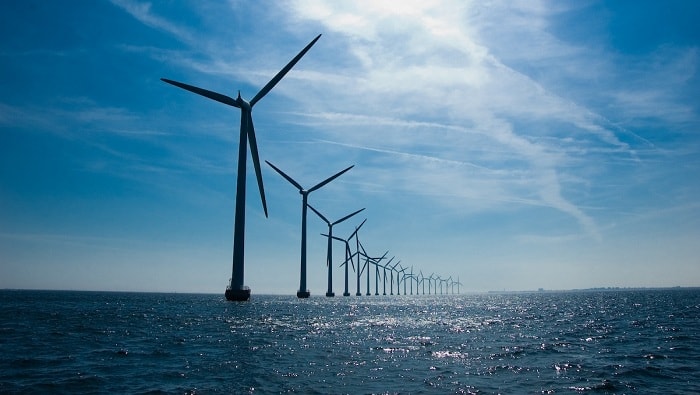






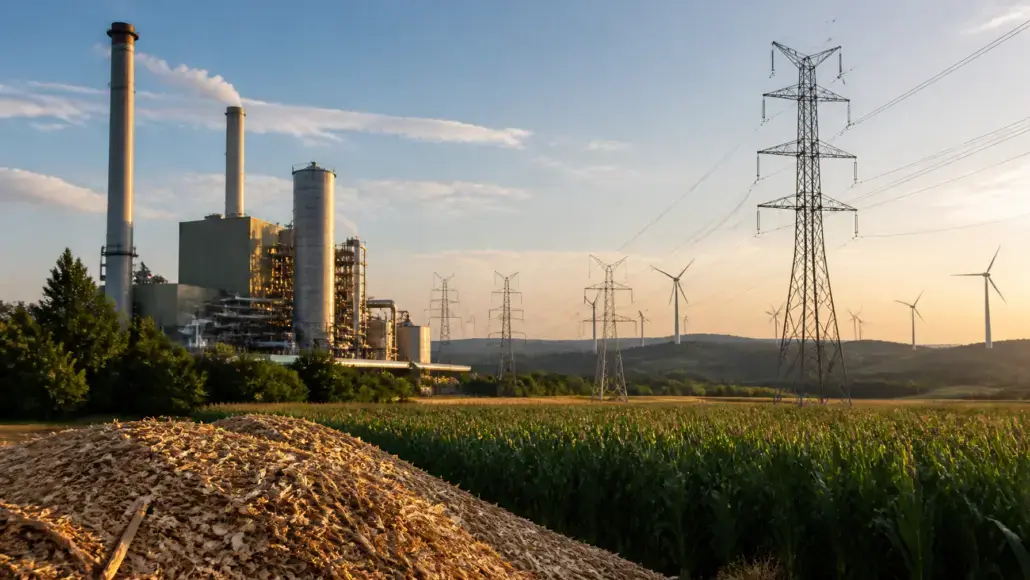
The global transition toward decentralized and decarbonized energy systems has placed immense pressure on traditional electrical infrastructure to maintain equilibrium between supply and demand. As intermittent renewable sources like wind and solar become more prevalent, the role of dispatchable bioenergy has shifted from a base-load provider to a critical stabilizer. Enhancing biomass grid stability via smart management is no longer merely an operational preference but a technical necessity to ensure the resilience of modern energy transmission networks. PowerGen Advancement notes that by leveraging digital twins, real-time telemetry, and automated control algorithms, biomass facilities can now provide the necessary inertia and frequency response required to buffer the volatility of the broader renewable energy landscape.
Biomass energy offers a unique advantage over other renewables due to its inherent dispatchability, yet traditional management methods often fail to capitalize on this flexibility. Smart grid technology allows for the precise coordination of biomass facilities with localized demand patterns, ensuring that power generation is scaled up or down with micro-second accuracy. This evolution in biomass grid stability is central to the future of energy security, as it provides a reliable bridge between the carbon-heavy past and a fully renewable future. The integration of advanced sensors across the biomass supply chain further enhances this stability by predicting fuel availability and quality, thereby preventing unforeseen outages and maintaining a consistent power frequency across the regional grid.
The Critical Challenges of Modern Grid Integration
Modern grid integration presents a multifaceted array of technical hurdles that threaten the consistency of energy delivery. One of the primary concerns is the loss of rotational inertia as synchronous generators are replaced by inverter-based resources. Biomass power plants, which typically utilize steam turbines and synchronous generators, are uniquely positioned to provide this lost inertia. However, without smart management, these plants cannot respond quickly enough to the rapid fluctuations common in high-renewable penetration zones. Strengthening biomass grid stability requires a paradigm shift in how we approach the interface between the power plant and the utility provider, moving toward a bidirectional data exchange that prioritizes system health over individual asset optimization.
Another significant challenge in the realm of biomass grid stability involves the variability of the feedstock itself. Unlike natural gas or coal, biomass fuel quality can fluctuate based on moisture content, density, and chemical composition. These variations directly impact the combustion stability and, consequently, the electrical output. Smart management systems mitigate these risks by employing machine learning algorithms that adjust boiler parameters in real-time based on the incoming fuel profile. This ensures that the power frequency remains stable even when the fuel source is suboptimal. Furthermore, the integration of distributed biomass resources into a cohesive virtual power plant (VPP) allows for the aggregation of smaller units to provide grid services that would be impossible for a single site to manage.
Implementing Smart Grid Technology for Optimized Operations
The implementation of smart grid technology within the biomass sector involves the deployment of sophisticated Supervisory Control and Data Acquisition (SCADA) systems that are integrated with AI-driven analytics. These systems are capable of processing millions of data points every second to identify potential instability before it manifests as a grid event. By focusing on biomass grid stability, plant operators can utilize predictive maintenance to schedule downtime during periods of low demand, ensuring that the facility is always available when the grid needs it most. This proactive approach to asset management is a cornerstone of smart management, as it reduces the likelihood of emergency shutdowns that can destabilize local power loops.
Digital twins represent another leap forward in enhancing biomass grid stability via smart management. By creating a virtual replica of the entire energy generation process, from fuel intake to energy transmission, operators can simulate various grid scenarios and test the facility’s response without risking physical equipment. These simulations allow for the optimization of renewable dispatch strategies, ensuring that biomass power is utilized most effectively alongside wind and solar. For instance, if a sudden drop in wind speed is predicted, the smart management system can pre-emptively ramp up biomass combustion to maintain a steady power frequency. This level of coordination is essential for maintaining biomass grid stability in an increasingly complex and unpredictable energy market.
The Role of Biomass in Power Frequency Regulation
Power frequency regulation is the heartbeat of any electrical grid, and maintaining it at a constant level is vital for the operation of sensitive industrial equipment and household electronics. Biomass facilities are exceptionally suited for primary and secondary frequency control due to their controllable combustion processes. However, achieving high-level biomass grid stability requires that these facilities are equipped with fast-acting governors and advanced control loops that can react to frequency deviations within seconds. Smart management systems facilitate this by integrating the plant’s control logic directly with the grid’s dispatch center, allowing for automated responses to load imbalances.
Furthermore, the concept of biomass grid stability extends to the provision of reactive power and voltage support. In regions where renewable energy is transmitted over long distances, maintaining a stable voltage profile can be difficult. Biomass plants can be operated as synchronous condensers, providing voltage regulation even when they are not generating active power. This flexibility is a key advantage of smart management, as it allows biomass assets to generate revenue through ancillary services while simultaneously bolstering the reliability of the energy transmission network. By prioritizing biomass grid stability, utilities can reduce their reliance on carbon-intensive peaking plants, further accelerating the transition to a greener economy.
Optimizing Renewable Dispatch and Energy Transmission
The optimization of renewable dispatch is a complex logistical challenge that involves balancing the availability of various fuel sources with the immediate needs of the population. Biomass grid stability is a central pillar of this optimization, as it provides a firm source of power that can be relied upon regardless of weather conditions. Smart management systems use sophisticated forecasting tools to determine the most cost-effective and environmentally friendly mix of energy sources for any given period. By integrating biomass reliability into these models, operators can ensure that energy transmission lines are never overloaded and that the risk of blackouts is minimized.
In addition to stabilizing the main grid, biomass grid stability is also crucial for the development of microgrids in rural or isolated areas. These localized systems often rely on a combination of solar panels and biomass generators to provide continuous power. Smart management in this context involves balancing the intermittent solar output with the steady biomass supply to create a self-sustaining energy ecosystem. This not only improves energy security for remote communities but also demonstrates the scalability of biomass grid stability solutions. As energy transmission networks become more decentralized, the ability to manage these hybrid systems effectively will be a defining characteristic of successful energy providers.
Future Outlook for Biomass Reliability and Grid Health
The future of the global energy sector depends on our ability to integrate diverse renewable resources into a cohesive and stable system. Enhancing biomass grid stability via smart management is a vital component of this effort, providing the necessary tools to manage the complexities of modern power generation. As smart grid technology continues to evolve, we can expect to see even greater levels of integration between biomass facilities and the broader energy transmission network. This will lead to a more resilient grid, capable of withstanding the challenges of climate change and the growing demand for electricity.
In summary, the pursuit of biomass grid stability is a multifaceted endeavor that requires a deep understanding of both thermal energy production and electrical engineering. By embracing smart management, the biomass industry can solidify its position as a primary enabler of the energy transition. PowerGen Advancement believes that the reliability of biomass, combined with the precision of digital control systems, offers a powerful solution to the problems of intermittency and instability. As we move forward, the focus must remain on innovation and collaboration, ensuring that the benefits of biomass grid stability are realized on a global scale, providing clean, reliable, and sustainable power for generations to come.