



One of the most persistent ironies of the modern energy transition is the phenomenon of curtailment—the intentional reduction in the output of renewable energy generators because the power grid is unable to absorb the electricity being produced. As we install more wind and solar capacity, the frequency of these events is increasing, leading to billions of kilowatt-hours of clean energy being wasted every year. This represents not only a missed opportunity for decarbonization but also a significant financial loss for project developers. The solution to this systemic inefficiency lies in the deployment of Long-Duration Energy Storage (LDES). By effectively managing the mismatch between supply and demand, PowerGen Advancement believes that LDES renewable energy curtailment strategies are transforming wasted electrons into high-value revenue streams.
Understanding the Hidden Cost of Curtailment
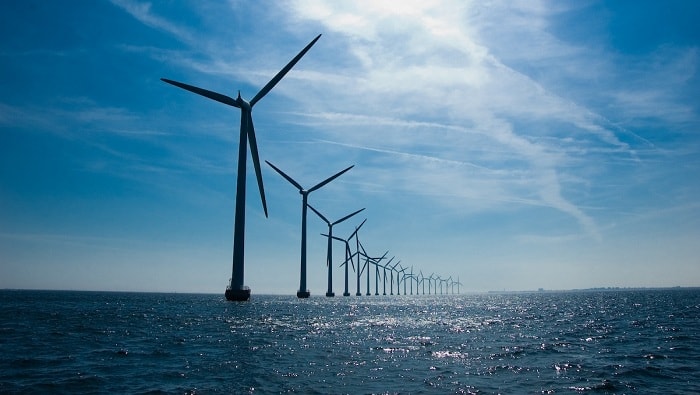
Renewable energy curtailment usually occurs when there is a supply-demand mismatch or transmission congestion. During a particularly windy night or a sunny afternoon, renewable production may exceed the total load of the grid. If the grid’s transmission lines are at capacity, or if traditional must-run plants (like nuclear or certain coal facilities) cannot ramp down fast enough, the renewable asset is told to shut off. For a wind farm developer, every minute of curtailment is a minute of lost revenue. In some markets, like California or parts of Western Europe, curtailment rates can reach 5-10% of total annual production, severely impacting the internal rate of return (IRR) for investors and slowing the pace of future project development.
The LDES Advantage: Beyond the Four-Hour Limit
While short-duration lithium-ion batteries have begun to tackle the problem of intra-day curtailment, they often lack the capacity to handle the massive surges of energy associated with major weather patterns. A heavy wind storm might last for 48 hours, producing vast amounts of surplus energy that would overwhelm a four-hour battery in minutes. LDES renewable energy curtailment solutions—such as iron-air batteries, flow systems, or compressed air energy storage—provide the depth required to soak up these prolonged surges. By capturing this energy that would otherwise be discarded, LDES allows developers to maximize the utilization of their primary assets (the wind turbines and solar panels), ensuring that every photon and gust of wind is converted into economic value.
Shifting Wasted Energy to High-Value Peak Hours
The most direct way LDES unlocks revenue is through time-shifting or energy arbitrage. The energy that is curtailed often occurs during times when the market price of electricity is at its lowest—or even negative. By storing this low-value or free energy and discharging it during the evening peak or during periods of high demand several days later, LDES allows developers to sell their power at the highest possible market price. This spread between the purchase price (which is zero in the case of curtailment) and the sell price represents a new and highly profitable revenue stream that traditional renewable projects simply cannot access.
Creating “Firm” Renewable Power Products
One of the biggest hurdles for renewable energy in corporate power purchase agreements (PPAs) is its lack of firmness. Most corporations want to buy a fixed amount of power for every hour of the year. If a renewable developer cannot guarantee that power, they are often forced to buy offset energy from the grid at a premium or sell their power at a discount as an as-available product. LDES renewable energy curtailment mitigation allows a developer to offer firm renewable power. By using LDES to smooth out the gaps in production, a developer can sign higher-value contracts that compete directly with baseload fossil fuel plants. This ability to provide guaranteed, clean energy is a major differentiator in a market where corporate ESG goals are becoming increasingly stringent.
Capturing Ancillary Services and Capacity Payments
Beyond simple energy sales, LDES-equipped projects can tap into ancillary services markets. These are specialized grid functions like frequency response, voltage support, and spinning reserves that help maintain grid stability. Because LDES systems are highly responsive and can sustain their output for long periods, they are ideal for these high-margin services. Furthermore, many grid operators are now introducing capacity payments—payments made to generators simply for being available to provide power during emergencies. Because LDES renewable energy curtailment strategies involve storing massive amounts of energy, these assets are highly valued for their contribution to resource adequacy, providing yet another steady stream of income for the owner.
Infrastructure Optimization: The “Non-Wires” Revenue
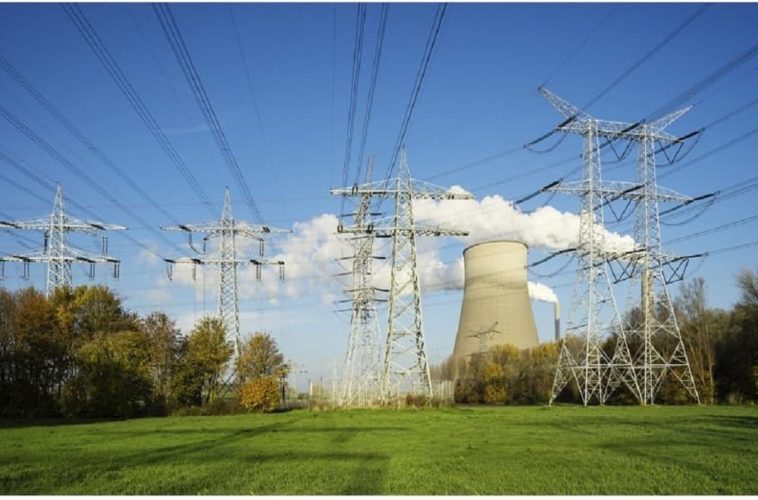
An often-overlooked revenue stream for LDES is the avoidance of transmission costs. In many parts of the world, connecting a new wind farm to the grid requires building expensive new transmission lines. If the existing lines are frequently congested, the grid operator may limit the farm’s output. By placing LDES at the site of the renewable project or at a critical chokepoint in the transmission network, developers can buffer their output. They can store energy when the lines are full and release it when there is room. This avoids the massive capital expenditure of new lines and allows for the development of renewable projects in remote, high-resource areas that were previously considered un-interconnectable.
Leveraging LDES for “Black Start” and Resilience Services
As the grid moves away from fossil fuels, it loses its ability to black start—the process of restarting the power system after a total blackout. Traditional wind and solar cannot do this because they need an existing grid frequency to follow. LDES systems, particularly those using mechanical or advanced electrochemical technologies, can provide the necessary grid-forming capabilities to lead a black start. Grid operators are increasingly willing to pay a premium for these resilience services. By positioning LDES renewable energy curtailment assets as critical grid-recovery tools, developers can secure long-term, government-backed contracts that provide financial stability regardless of daily market fluctuations.
Policy Drivers and the Future of Revenue Stacking
The economic case for LDES is being further strengthened by new policy frameworks. In the United States, the Investment Tax Credit (ITC) for standalone storage has drastically reduced the net cost of LDES projects. Similar incentives are appearing in Australia, China, and the EU. These policies encourage revenue stacking—the ability of a single LDES asset to earn money from multiple sources simultaneously (e.g., arbitrage + ancillary services + capacity payments). As these markets mature, the combination of renewable generation and LDES will not just be a clean choice; it will be the most profitable way to participate in the global energy market.
The transition to a fully renewable grid requires more than just building more panels and turbines; it requires the intelligence and capacity to manage that energy effectively. Long-duration energy storage is the tool that turns the chaos of the weather into the reliability of a utility. By solving the problem of curtailment, PowerGen Advancement believes that LDES is not just saving energy. It is saving the energy transition itself by making it more profitable, resilient, and scalable for everyone involved.