


The U.S. Department of Energy is preparing to provide X-energy with another $1 billion for its planned nuclear project with Dow in Texas, potentially taking the total federal funding available to the project since 2021 to as much as $2.15 billion. The proposed additional funding comes through the Advanced Reactor Demonstration Program, which is designed to help next-generation reactors progress toward commercial deployment. CEO Clay Sell said Thursday that DOE had informed X-energy about the additional funding. He also said the DOE grant is currently X-energy’s largest source of revenue. The latest funding will follow the same 50/50 cost-share requirement attached to the original award, requiring federal funding to be matched by private spending.
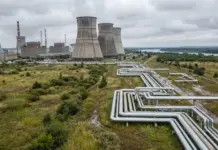
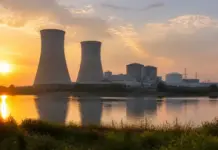
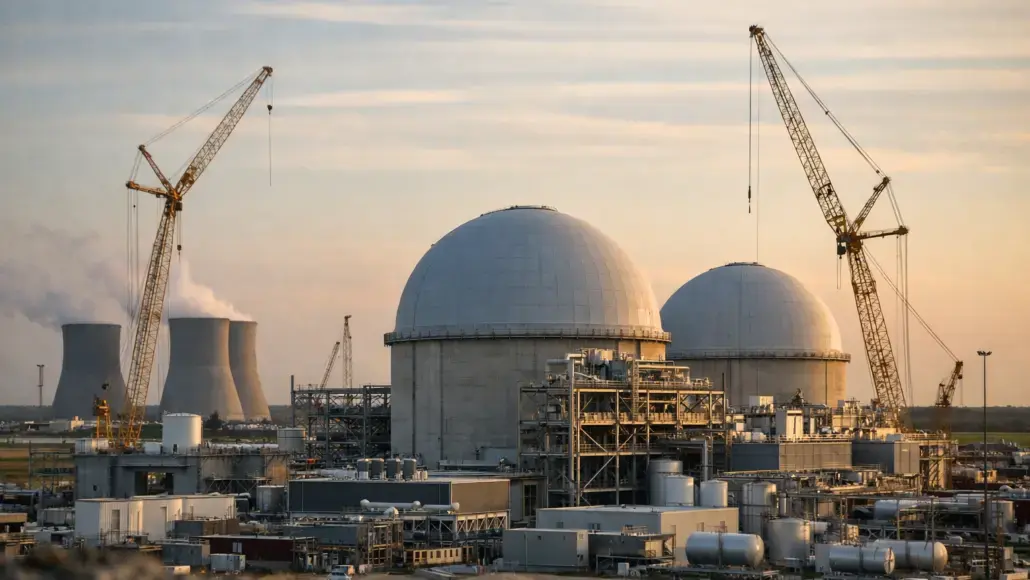
The scale of the funding reflects the ambition behind the advanced nuclear project, which extends beyond the development of another reactor prototype. X-energy and Dow plan to deploy the technology at Dow’s Seadrift petrochemical and plastics complex in Texas. The reactors are intended to replace existing energy and steam units while supplying both electricity and industrial steam.
Sell said it is expected to become the first grid-scale advanced nuclear reactor deployed to serve an industrial site in North America. Dow and X-energy submitted their construction permit application to the U.S. Nuclear Regulatory Commission last year, with the companies targeting operation in the early 2030s. The project therefore represents an advanced nuclear project intended for an industrial setting rather than a standalone demonstration.
Seadrift Project Tests Commercial Deployment
The funding is directed toward advancing the Seadrift development and supporting the deployment planned by X-energy and Dow. As a result, the advanced nuclear project is positioned as more than a test of X-energy’s reactor design. The Seadrift development will also test whether billions of dollars in federal cost-sharing can move a new nuclear technology through licensing, construction and into commercial operation. With operation targeted for the early 2030s, the project will proceed under the existing construction permit process involving the U.S. Nuclear Regulatory Commission and the stated federal-private cost-sharing structure.