




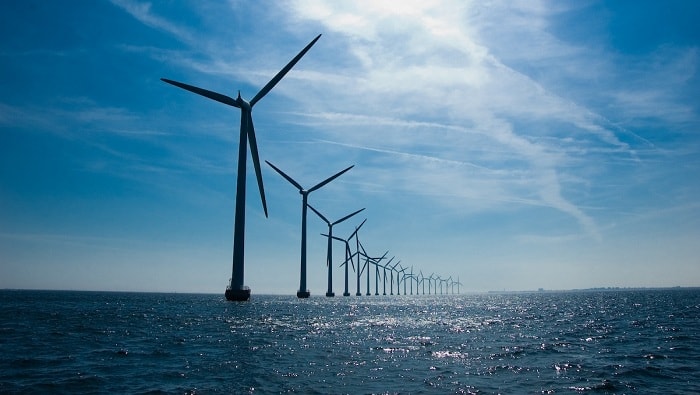


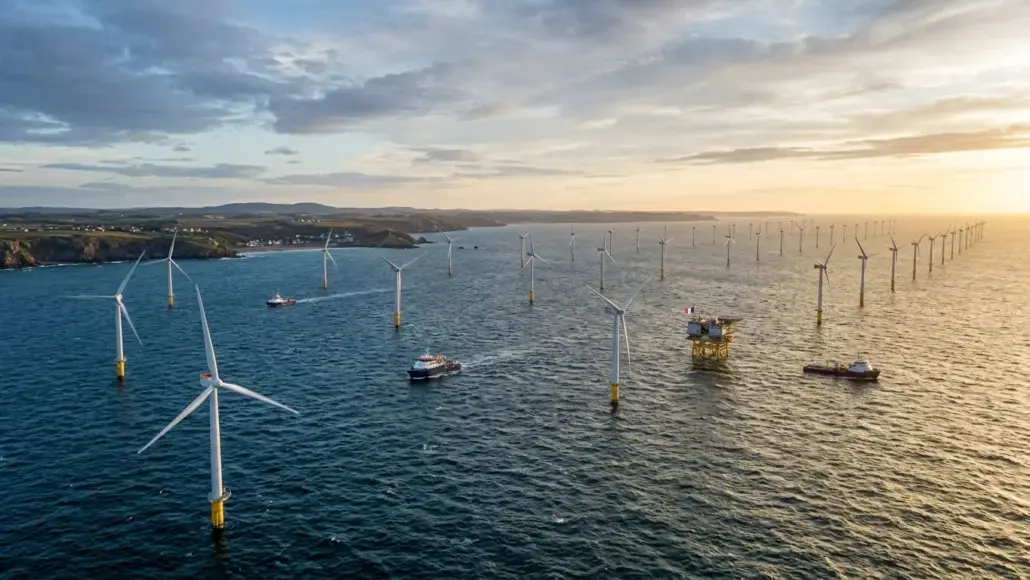
The French energy ministry has announced the opening of long-awaited tenders for 10 gigawatts (GW) of offshore wind projects. This significant tender, primarily focused on the nation’s west coast, represents a substantial step towards expanding France’s renewable energy infrastructure.
The offshore wind tenders are poised to considerably enhance France’s offshore wind capacity, which is targeted to grow from its current level of under 2GW to 15GW by the year 2035. The development aligns with broader European efforts to bolster renewable energy generation, as the continent’s total offshore wind capacity was just under 40GW projected for 2025.
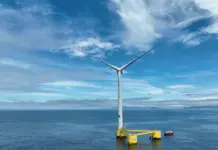
The initial call for the offshore wind tenders, launched in 2024, will be divided equally between two key offshore wind technologies, 5GW for fixed-bottom wind farms and 5GW for floating wind farms. Fixed-bottom wind farms utilize turbines directly attached to foundations anchored to the seabed, representing a more established and generally more cost-effective technology. In contrast, floating wind farms position turbines on platforms that are moored to the seabed. This latter approach enables projects to be deployed in deeper waters, although it introduces additional costs due to the complexity of the platforms, mooring systems, and installation processes.
Companies interested in participating in the development of these crucial offshore wind projects will have a four-month period to submit their bids. The selection of the winning bids is anticipated in February 2027.
The offshore wind tenders will operate under a contracts-for-differences system, which guarantees a set price for the electricity produced. Under this arrangement, the state bridges the gap when market prices fall below the guaranteed level, while operators contribute when prices exceed it. The ministry highlighted that this mechanism is intended to encourage maintenance work on turbines during periods of low electricity prices, thereby mitigating risks associated with potential negative pricing resulting from an oversupply of renewable energy.
Furthermore, the offshore wind projects will be subject to stringent environmental regulations. The ministry has indicated that components manufactured outside of Europe will also need to adhere to these strict environmental rules, underscoring a commitment to sustainable development within the renewable energy sector.