



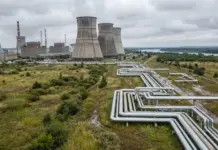







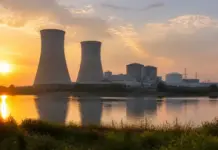
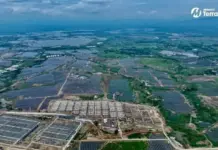


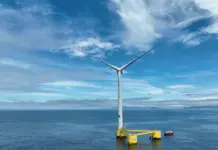

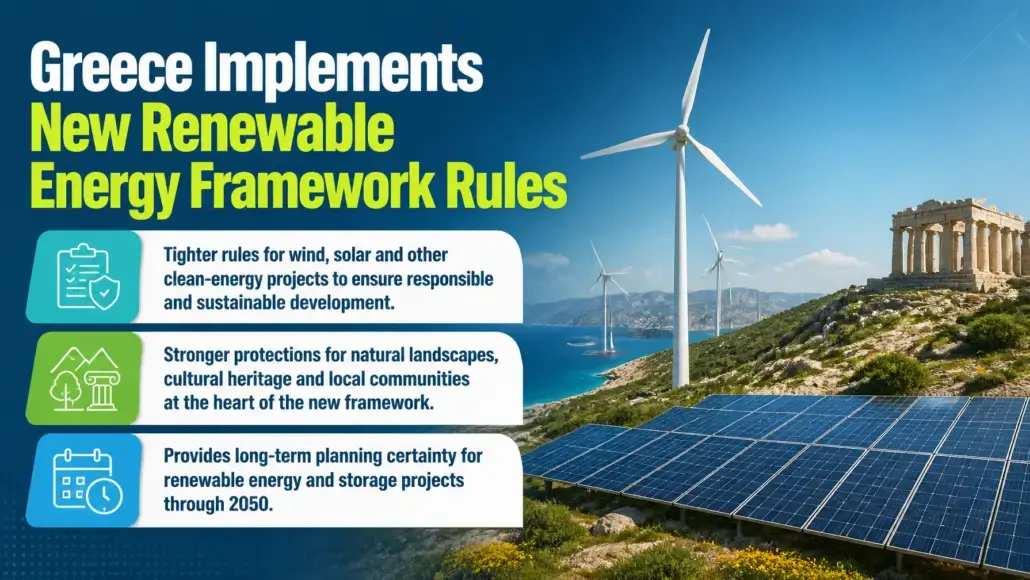
Greece has brought a new national renewable energy framework into force, establishing tighter conditions for the location of wind, solar and other clean-energy installations. The updated rules are designed to strengthen protections for natural landscapes, cultural heritage and local communities while providing a long-term planning basis for renewable energy and energy storage projects through 2050. The new Special Spatial Planning Framework for Renewable Energy Sources replaces the planning rules that had been largely in effect since 2008. It is intended to provide clearer direction for the development and placement of renewable energy and energy-storage facilities across the country.
The framework was signed by Greece’s Environment and Energy Minister Stavros Papastavrou and Deputy Ministers Nikos Tsafos and Marilena Soukouli. It establishes more defined requirements for the siting of new facilities and is part of a wider effort to develop coordinated national spatial plans. These plans are being prepared alongside separate frameworks covering tourism and industry. Following public consultation, several restrictions have been introduced. New wind farms are now prohibited in tourism areas classified under Categories A and B. The exclusion zones have also been widened to cover historical sites, ancient monuments, legally protected monuments dating from after 1830, water sources used for human consumption and untouched beaches.
Island and Mountainous Area Requirements
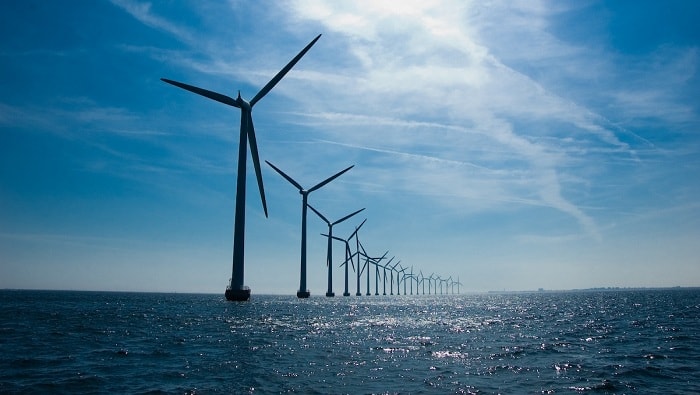
Additional conditions apply to Greece’s islands under the new renewable energy framework. Proposed wind farms on the islands must undergo a specific landscape assessment during the environmental licensing process. The assessment is intended to examine the scale of each project, the character of the surrounding landscape and the visual impact that the installation could create. In mountainous parts of the islands, renewable energy projects will be assessed individually, with authorities considering the morphological and ecological characteristics of each location.
The maximum land coverage permitted for wind farms remains at 4 percent of the area of each Municipal Unit. At the same time, the framework allows a limited exception for locations with relatively low average wind potential. Projects in such areas may still be considered if measurements show that a particular site has sufficiently strong wind resources. Such projects must meet certification requirements and comply with the other restrictions established under the new renewable energy framework.