



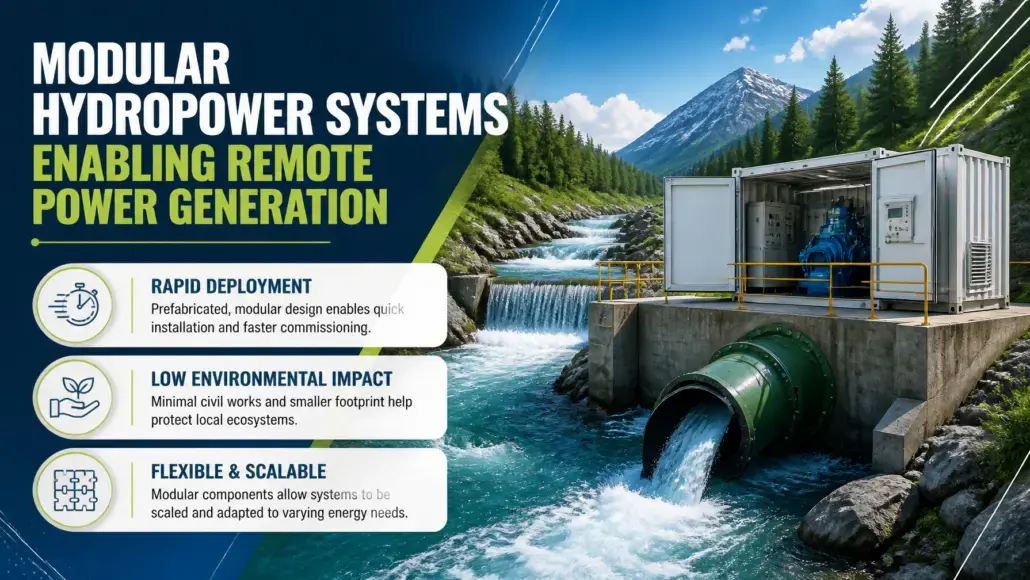
Energy security in geographically isolated regions is undergoing a significant shift as the global energy transition moves toward decentralized solutions. Traditional large scale hydroelectric projects often require massive capital expenditure and lengthy construction timelines that are impractical for remote communities. In contrast, modular hydropower systems are emerging as a versatile alternative that allows for rapid deployment and reduced environmental impact. These systems are designed to harness the energy of flowing water without the need for expansive dams or reservoirs, making them ideal for off grid applications.
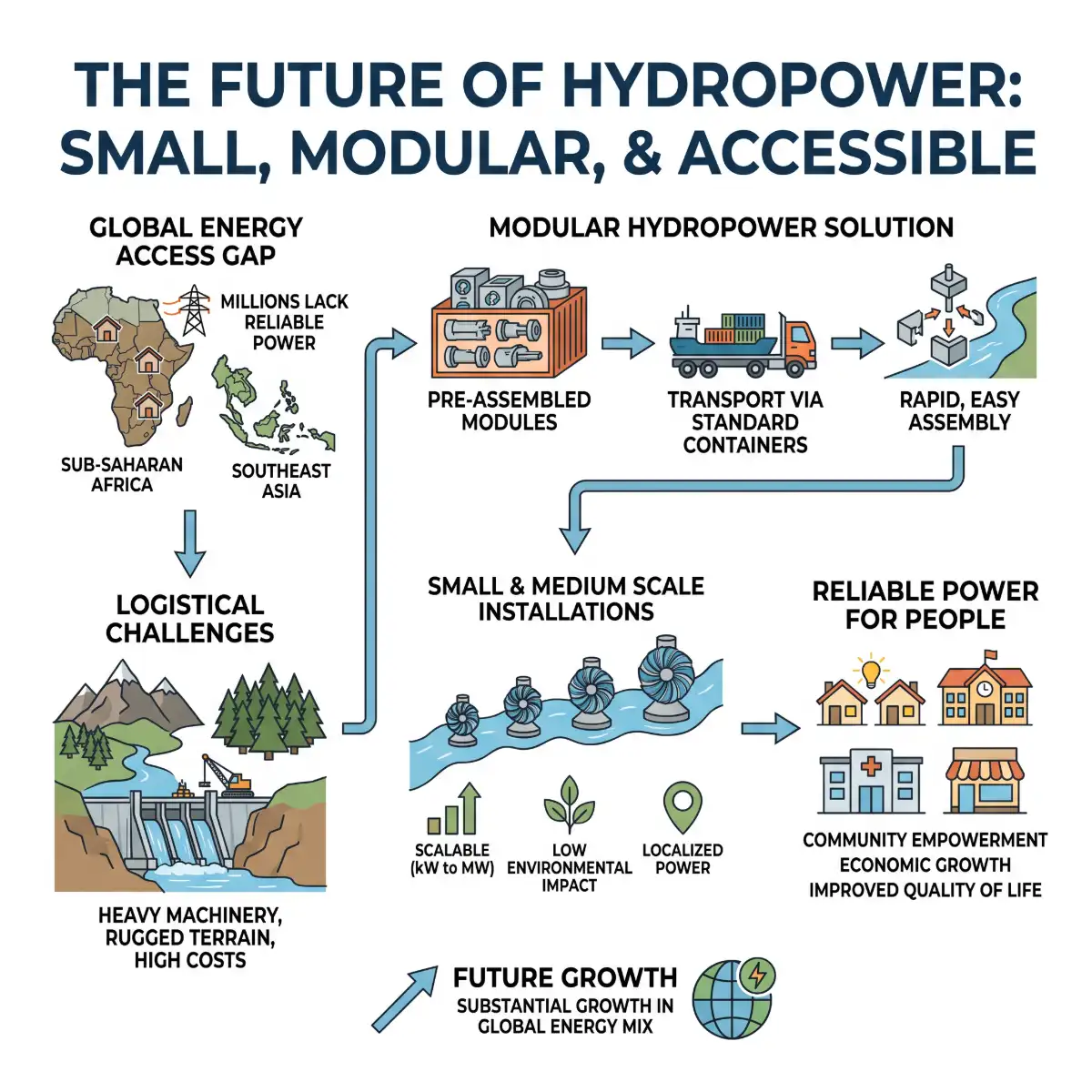
A substantial portion of the growth of hydropower in the future global energy mix is expected to come from small and medium scale installations that prioritize modularity and ease of transport. The shift is driven by the urgent need to provide reliable power to the people who still lack electricity access globally, particularly in Sub-Saharan Africa and Southeast Asia. Modular hydropower technology addresses the logistical challenges of moving heavy machinery into rugged terrain by utilizing pre-assembled components that can be transported in standard shipping containers.
Technical Advantages of Modular Engineering in Hydroelectric Power
PowerGen Advancement observes that the core appeal of modular hydropower systems lies in their standardized design. Engineers have traditionally treated each hydropower site as a unique custom project, which leads to high design costs and unique maintenance requirements. Modern modularity flips this model by using a limited number of turbine and generator configurations that can be scaled to fit various flow rates and head heights. This standardization allows manufacturers like Andritz and Voith to produce high quality units in a factory setting rather than constructing them entirely on site.
Factory based assembly ensures higher precision and tighter quality control. It also minimizes the civil engineering work required at the river site, which is often the most expensive and time consuming part of a hydro project. Because the components are modular, they can be easily replaced or upgraded without a complete overhaul of the station. This level of operational flexibility is critical for remote regions where specialized technical expertise may not be readily available for complex repairs.
These systems are often deployed alongside low-head hydropower technologies for canals and water distribution network to maximize the energy potential of existing hydraulic infrastructure. By integrating modular units into man made water flows, developers can generate power with minimal additional impact on the local ecosystem. The synergy between remote modular units and canal based systems represents a holistic approach to decentralized water energy management.
Recent Company Developments and Market Growth
Major global players are increasingly investing in modular technology to capture the growing decentralized energy market:
- Andritz: The hydroelectric sector leader has focused its small hydro portfolio on modularity, securing a key refurbishment contract in September 2025 for Slovenia’s Formin hydropower plant to boost operational efficiency. Andritz‘s modular strategy reduces the count of pre-assembled components while providing scalable coverage across capacities ranging from a few kilowatts up to several megawatts.
- Voith Hydro: Through its “M-Line” (Modular Line) series, the company provides pre-assembled, factory-tested turbine-generator packages designed for streamlined and standardized deployment. In 2025, Voith executed a major turbine upgrade in New Zealand using modular components produced at its Indian facility, showcasing how pre-fabricated systems enable rapid, low-downtime installations even across remote island logistics routes.
- Statkraft: Europe’s largest renewable energy producer is integrating small-scale modular hydropower into its global growth strategy, targeting regions with high untapped potential such as Chile and India. By deploying modular architectures, Statkraft seeks to compress project development cycles, transitioning from initial feasibility assessments to active power generation substantially faster than conventional hydropower builds allow.
Environmental Impact and Sustainability Metrics
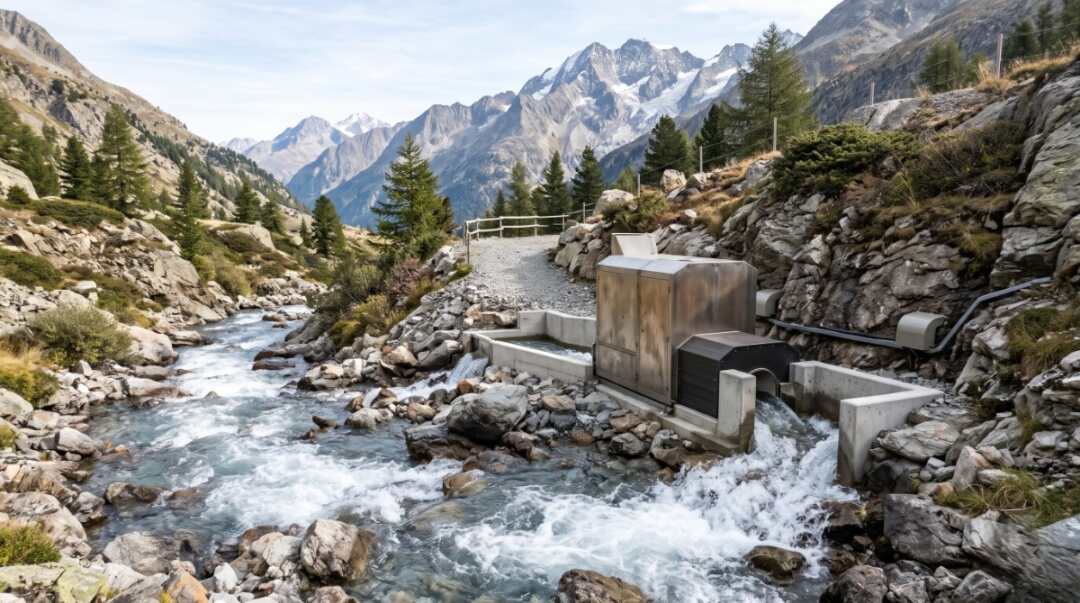
Sustainability is a primary driver for the adoption of small scale modular hydropower. Large dams are often criticized for their impact on fish migration and local biodiversity. Modular hydropower systems, particularly those using run of river designs, allow water to pass through the turbine and return to the stream with minimal alteration to the natural flow. Many modern modular turbines are also designed with fish safe features, such as larger blade gaps and slower rotational speeds, which significantly reduce mortality rates for aquatic life.
Data from the International Renewable Energy Agency (IRENA) in their 2025 Renewable Capacity Statistics highlights that hydropower remains the largest source of renewable electricity, with a total capacity of approximately 1,283 GW. However, the agency notes that the growth of large scale projects is slowing due to environmental concerns and social displacement issues. This creates a clear market opening for modular hydropower systems that can deliver clean energy without the heavy environmental footprint of their larger counterparts.
The modular approach also allows for better land use management. Since these units require very little land, they can be placed in areas that are not suitable for solar farms or wind turbines. In mountainous regions, where sun exposure is limited and wind patterns are unpredictable, the constant flow of water provides a base load power source that is more reliable than other intermittent renewables.
Economic Viability and Investment Trends
The financial landscape for hydropower is changing as investors seek projects with faster returns and lower risks. Modular hydropower systems offer a more predictable investment profile because they are less prone to the geological surprises and construction delays that plague large dam projects. The ability to generate revenue earlier in the project lifecycle is a major advantage for private investors and development banks alike.
The World Bank and other international financial institutions have increased their support for decentralized renewable energy projects in the last two years. These organizations recognize that providing power to remote areas is essential for economic development and poverty reduction. Modular hydropower projects often qualify for green bonds and climate finance, further lowering the cost of capital for developers.
As technology continues to advance, the cost per kilowatt for modular systems is expected to decrease. Automation and digital monitoring tools are being integrated into these units, allowing for remote operation and predictive maintenance. This reduces the need for on site staff, which is often one of the highest operational costs for remote power stations. The combination of modular hardware and smart software is making small scale hydro more competitive than ever before.
Challenges in Remote Implementation
Despite the clear benefits, deploying modular small hydropower systems in remote areas is not without challenges:
- Remote transport and logistical planning: Poor road infrastructure poses significant delivery barriers for modular components in isolated areas, often requiring helicopters or specialized off-road vehicles and making rigorous advance route planning critical to project viability.
- Disproportionate regulatory hurdles: Permitting frameworks in many jurisdictions apply the same demanding standards to small-scale hydro as large dams; industry advocates are pushing for streamlined, risk-proportional licensing to lower market entry barriers and accelerate rural electrification.
- Local capacity building and maintenance: Long-term project reliability depends on onsite technical oversight for routine upkeep and minor repairs, leading many equipment manufacturers to integrate community training programs directly into supply contracts to foster local operational self-sufficiency.
Future Outlook for Decentralized Hydro
The future of modular hydropower systems looks promising as the world continues to prioritize clean, reliable energy. The trend toward digitalization will likely lead to even more efficient and autonomous units. We can expect to see increased integration with other renewable sources, such as solar and battery storage, to create robust microgrids for remote communities.
Innovation in materials science is also likely to play a role in the next generation of modular turbines. The use of advanced composites and 3D printing could lead to lighter and more durable components that are even easier to transport and install. As the industry scales up, the lessons learned from early modular deployments will inform better designs and more effective implementation strategies.
The transition to a sustainable energy future requires a diverse range of technologies, and modular hydropower is a critical piece of that puzzle. PowerGen Advancement notes that by providing a scalable and environmentally friendly way to generate electricity in remote regions, these systems are helping to bridge the global energy gap. The continued investment from major global companies and support from international organizations will ensure that modular hydropower remains a key driver of the global energy transition for years to come.
References
- “Renewables 2025” – International Energy Agency
- “Renewable Capacity Statistics 2025” – International Renewable Energy Agency
- “Small and Mini Hydropower Solutions” – Andritz
- “M-Line – Modular line for Small Hydro solutions” – Voith
- “2025 World Hydropower Outlook” – International Hydropower Association