





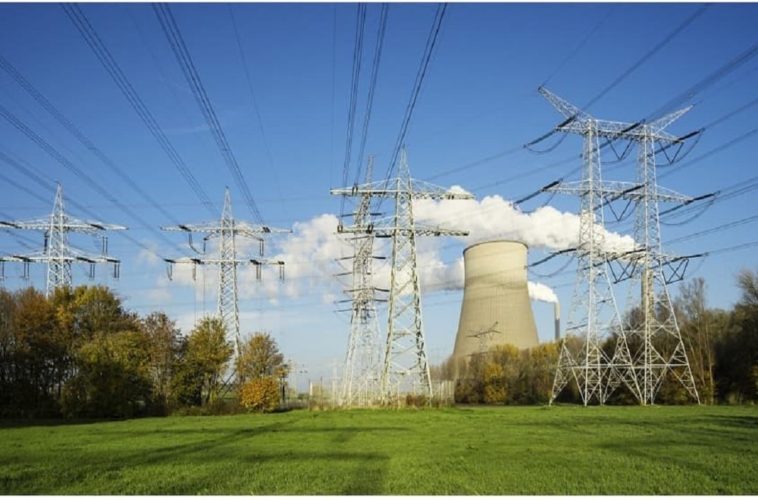




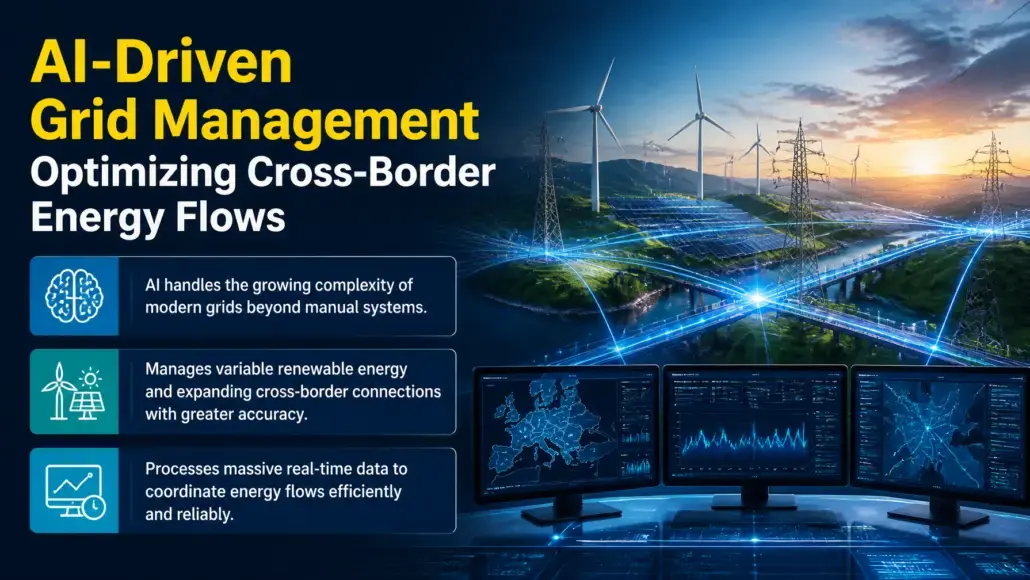
The modern electricity grid is rapidly becoming too complex for traditional manual management systems to handle effectively. As nations increase their reliance on variable renewable energy and expand cross border transmission links, the number of data points that grid operators must monitor has grown exponentially. Artificial intelligence has moved from a speculative tool to a core operational necessity in 2026. AI-driven grid management systems are now responsible for coordinating the real time flow of electricity between national networks, ensuring that power trade remains both stable and economically optimized. The convergence of energy and digital intelligence is no longer a luxury but a fundamental requirement for the energy transition.
PowerGen Advancement observes that this shift is driven by the need for unprecedented speed in decision making across massive datasets. Renewable energy generation can fluctuate within seconds due to weather changes, requiring immediate and precise adjustments in dispatch and trade volumes. Traditional models, which often rely on historical data and static rules, cannot react quickly enough to these rapid shifts. Machine learning algorithms, by contrast, can analyze weather patterns, demand forecasts, and market prices simultaneously to make sub second adjustments to cross border flows, maximizing the utilization of clean energy.
Market Growth and the Digital Transformation of Utilities
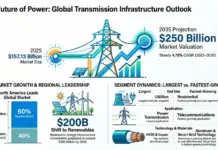
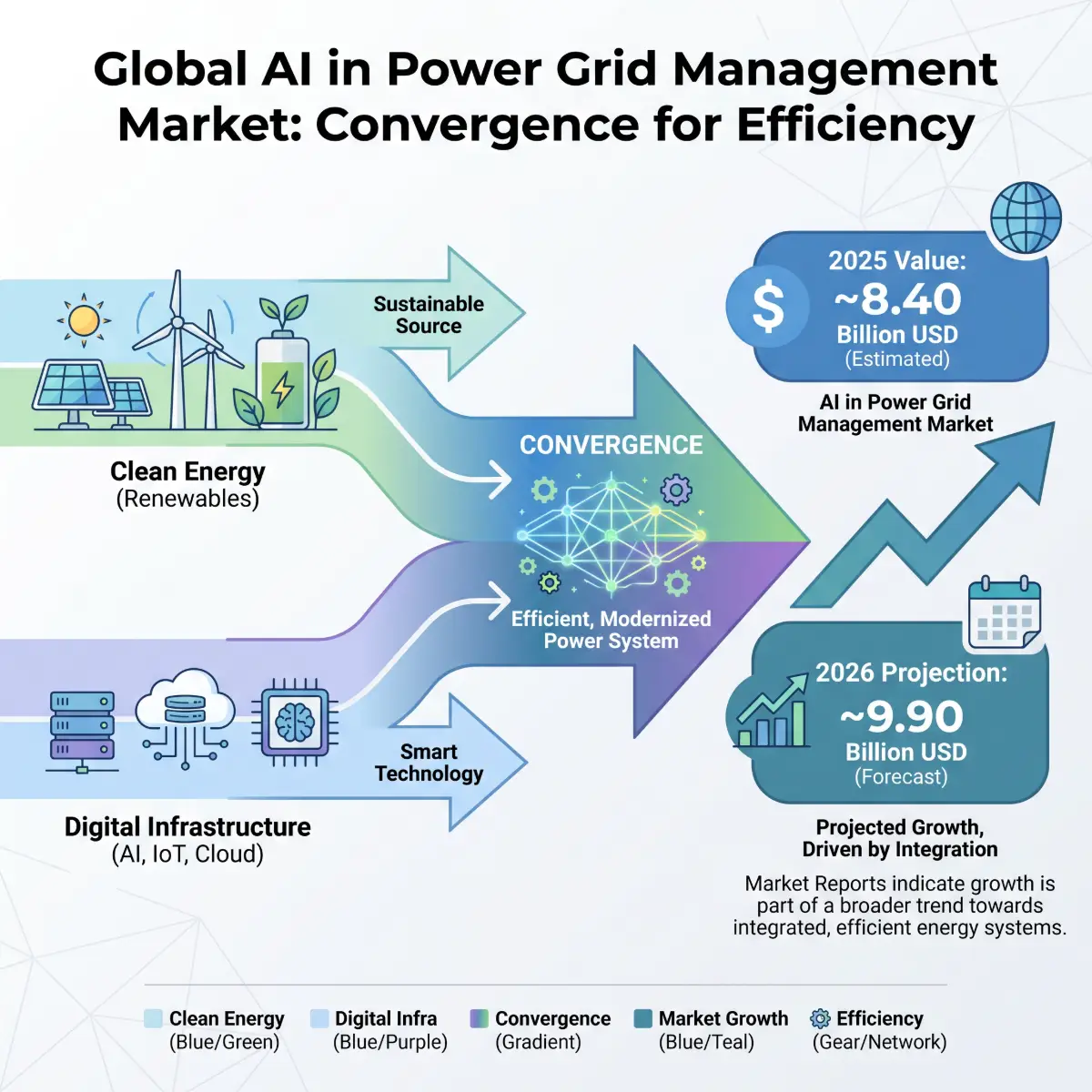
The financial commitment to these technologies reflects their growing importance in the global energy landscape. As per market reports, the global AI in power grid management market is valued at approximately 8.40 billion USD in 2025 and is projected to reach 9.90 billion USD by the end of 2026. This growth is part of a broader trend where clean energy and digital infrastructure are converging to create a more efficient system.
According to the International Energy Agency, the electricity demand of data centers alone grew by 17 percent in 2025, further increasing the pressure on grid operators to maximize efficiency through automation.
Major technology providers have launched sophisticated platforms to meet this demand. GE Vernova has accelerated the deployment of its GridOS software suite, which uses AI to orchestrate energy flows across diverse grid assets from renewables to storage. Similarly, Siemens Energy and Schneider Electric have integrated advanced digital twin technology into their grid management tools. These digital twins create a virtual replica of the physical grid, allowing operators to simulate the impact of different trade scenarios or potential faults before they occur in the real world, significantly reducing operational risk.
Key industry developments in 2025 and 2026 include a range of innovative AI applications:
- The deployment of AI driven dynamic line rating systems by Hitachi Energy, which can increase the carrying capacity of existing transmission lines by up to 30 percent by monitoring ambient conditions in real time.
- Schneider Electric introducing EcoStruxure modules that utilize predictive maintenance to reduce downtime in critical cross border converter stations by identifying potential failures before they occur.
- Google and Siemens Energy collaborating on AI models to optimize the dispatch of renewable energy for hyperscale data centers, ensuring they operate on 24/7 clean power.
- The integration of automated settlement systems that use AI to handle the complex financial transactions associated with multilateral power wheeling across multiple national jurisdictions.
- The use of computer vision and drone data to provide real time situational awareness for transmission line health, integrated directly into grid management software.
Enhancing Stability and Reducing Renewable Curtailment
One of the most valuable applications of AI-driven grid management is the reduction of renewable energy curtailment. In many regions, clean energy is frequently wasted because the grid cannot accommodate its sudden peaks in production. AI systems can predict these peaks with high accuracy and automatically adjust cross border trade schedules to move the surplus energy to regions where demand is higher. This not only improves the environmental footprint of the grid but also increases the return on investment for renewable asset owners by ensuring their power finds a market.
Grid stability is also significantly improved through the use of sophisticated AI algorithms. As traditional synchronous generators like coal plants are retired, the grid loses its natural inertia, making it more vulnerable to frequency fluctuations. AI managed inverter based resources can mimic this inertia, providing the rapid frequency response needed to prevent regional blackouts. Beyond wind and solar, these predictive algorithms are also being applied to the integration of SMR nuclear power exports to ensure consistent baseload stability. This multi energy coordination is essential for maintaining a resilient grid that can handle the complexities of the mid 21st century.
The use of AI also extends to demand side management:
- Peak Demand Forecasting & Response: AI predicts peak demand to alert industrial users to shift energy consumption or activate distributed storage.
- Grid Relief: Reduces strain on the electrical grid during peak periods.
- Lower Emissions & Costs: Cuts the reliance on expensive, high-emission peaking power plants.
- Dynamic Grid Management: Balances supply and demand in real time through intelligent automation.
- Path to Sustainability: Enables a scalable, truly sustainable energy ecosystem.
The Role of Data Integrity and International Standards
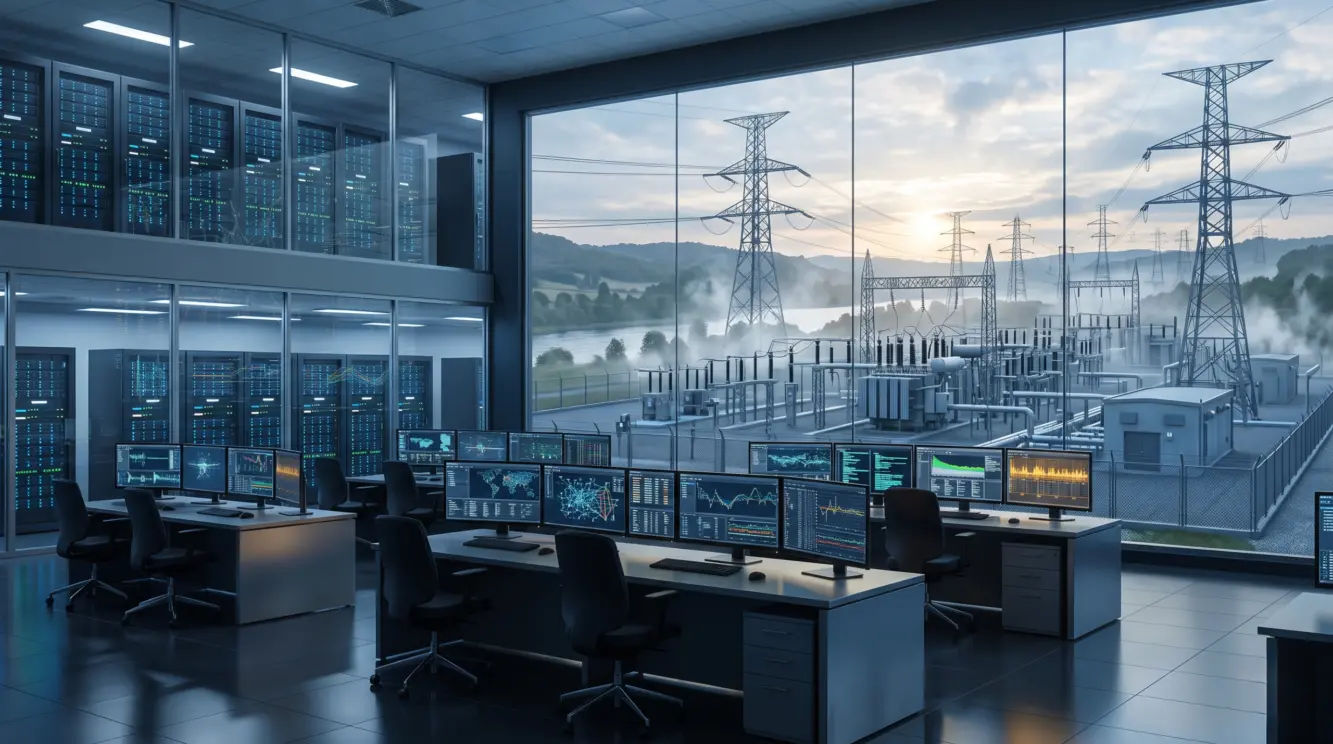
The success of AI in grid management depends entirely on the quality and availability of real time data. Grid operators are increasingly sharing information across borders to create a more transparent and efficient international market. This collaboration is supported by the global adoption of international standards like IEC 61850, which ensures that different digital components from various manufacturers can communicate without technical friction. This interoperability is the foundation upon which the global smart grid is being built.
Looking forward, the industry is exploring the use of federated learning as a way to enhance AI models without compromising data privacy. This approach allows AI models to be trained on data from multiple different grid operators without the need to centralize sensitive information. This protects national security and commercial interests while still allowing the algorithms to benefit from a global dataset of grid events and anomalies. As the energy transition accelerates, the ability to manage complexity through collaborative intelligence will be the defining factor in the success of international power trade.
Cybersecurity is another area where AI is playing a critical role. Digital grids are potentially vulnerable to sophisticated attacks, but AI systems can detect unusual patterns in network traffic that might indicate a breach. By responding in real time to these threats, AI-driven grid management systems protect the integrity of international power flows and ensure that energy remains a reliable utility for all citizens. The integration of security and operation into a single intelligent platform is the new standard for modern utilities.
Future Horizons for Autonomous Grids
As we look toward the 2030s, the goal of a fully autonomous grid is becoming more realistic. AI systems will eventually move from providing recommendations to human operators to making direct, closed loop decisions for the entire network. This will require not only more powerful algorithms but also a high level of trust from regulators and the public. The progress made by late 2026 suggests that the industry is well on its way to achieving this level of sophistication.
The environmental benefits of AI-driven grid management are also becoming more quantifiable. By optimizing every aspect of the grid, from generation to transmission and consumption, AI reduces the total amount of energy wasted and maximizes the displacement of fossil fuels. This digital efficiency is a powerful and low cost tool in the global fight against climate change. As AI continues to evolve, PowerGen dvancement believes its role in the energy sector will only become more central, turning the once passive grid into a living, intelligent system that can power the future.
References
- “AI in Power Grid Management Market Trends 2026” – Precedence Research
- “Key Questions on Energy and AI: Executive Summary 2025” – International Energy Agency
- “Smart Grid Market Report 2026-2036” – Yahoo Finance
- “GE Vernova GridOS Launch and Strategy” – GE Vernova
- “AI In Energy Market Size and Growth Report 2026” – Grand View Research
- “Siemens Energy Digital Twin Project Update” – Siemens Energy
- “IEA Electricity Demand of Data Centres 2025” – International Energy Agency
- “Hitachi Energy Dynamic Line Rating Deployment Report” – Hitachi Energy