
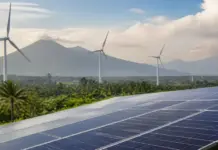



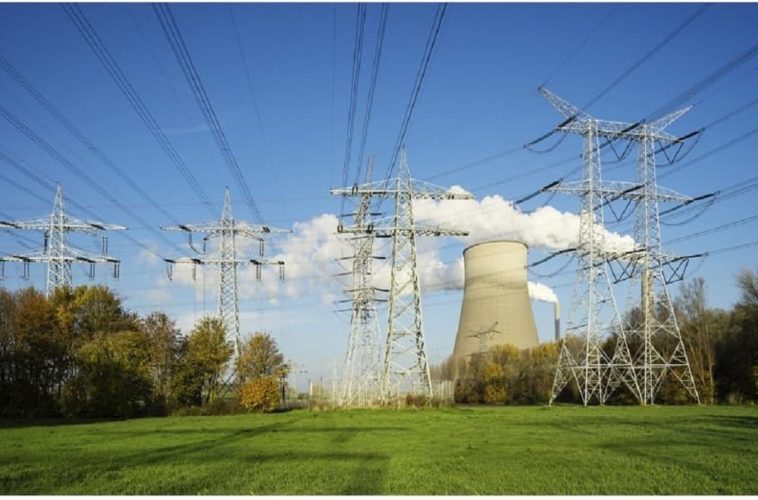



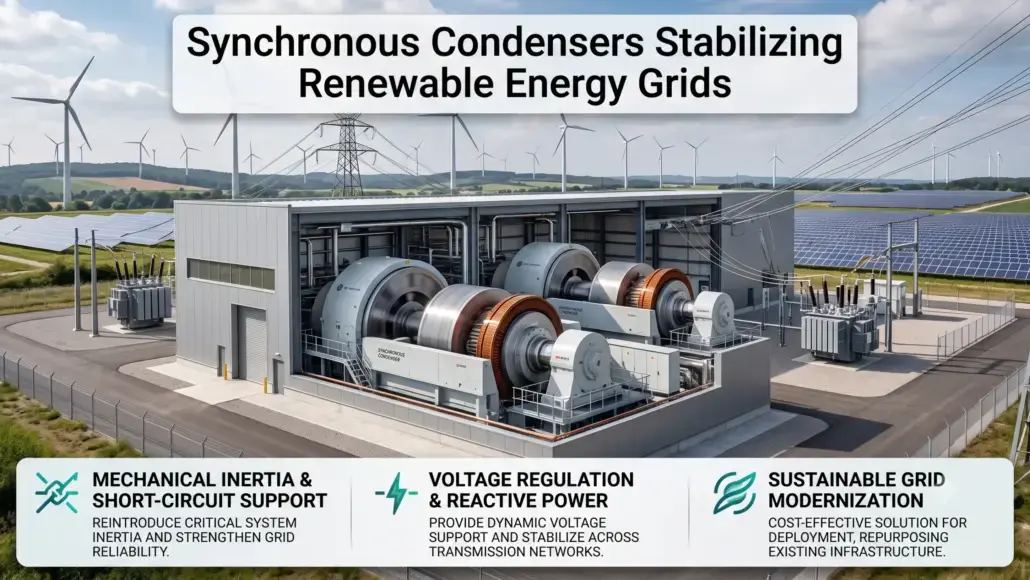
The rapid shift from traditional thermal power generation to inverter based renewable energy is fundamentally changing the physics and the operational dynamics of the power grid. As coal and gas plants are retired to meet climate goals, the system loses the large, rotating masses that have historically provided mechanical inertia. This inertia is the first line of defense against sudden changes in grid frequency, acting as a physical buffer that buys time for other control systems to respond and stabilize the network. Without sufficient inertia, even a minor disturbance can quickly escalate into a widespread blackout. PowerGen Advancement observbes that utilizing synchronous condensers for grid stability has therefore become a critical priority for transmission system operators who must manage increasingly high levels of variable wind and solar power.
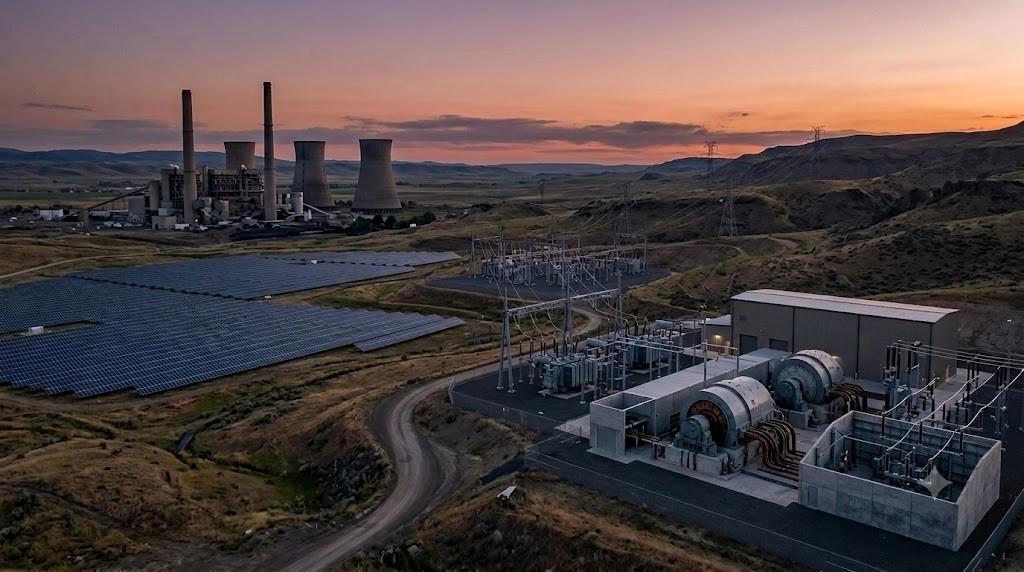
Synchronous condensers are essentially large electric motors that spin without being connected to a mechanical load or a fuel source. They do not generate active power, but their massive rotors provide the mechanical inertia and short circuit current needed to keep the grid stable and resilient.
The Mechanical Challenge of Inverter-Based Renewable Resources
Traditional synchronous generators, found in fossil fuel, nuclear, and large hydroelectric plants, are electromagnetically locked to the grid frequency. Because they have massive rotors spinning at high speeds, they possess significant kinetic energy that is directly coupled to the system. If the frequency drops due to a sudden loss of generation or a fault, these rotors naturally and instantaneously release their stored energy into the grid, slowing the rate of frequency decline. In contrast, wind and solar assets are connected via power electronics, known as inverters. While these systems are highly efficient and can be controlled with great precision, they do not inherently provide the same mechanical buffer as a rotating mass.
As the share of inverter based resources grows, the grid becomes more brittle and sensitive to disturbances. Sudden changes in supply or demand can lead to rapid frequency swings that exceed the operating limits of protective relays, causing them to trip and disconnect even more generation in a cascading effect.
This challenge is particularly acute in isolated or weak grids, such as those on islands or at the ends of long transmission lines where the connection to the main network is limited. Synchronous condensers address this by reintroducing physical inertia into the system, providing a predictable and instantaneous response to frequency disturbances regardless of the weather. This allows grid operators to maintain stability even when the sun is not shining or the wind is not blowing.
Voltage Regulation and System Short-Circuit Strength
Beyond providing essential inertia, synchronous condensers are highly effective at regulating grid voltage and maintaining the quality of power. They can provide or absorb reactive power, which is necessary to maintain voltage levels across the transmission and distribution network. Unlike static compensators, synchronous condensers can provide a significant amount of reactive power even during severe voltage drops, helping the grid to recover from faults and maintaining the stability of the entire system. This capability is essential for the reliable operation of heavy industrial loads and for the integration of large scale renewable projects that are often located far from major load centers.
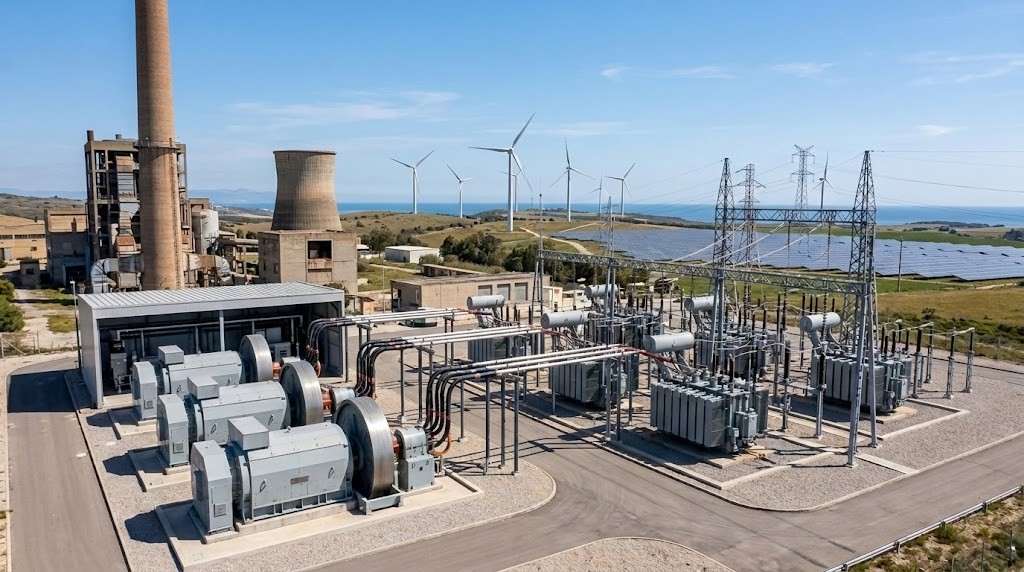
Short circuit strength is another critical service provided by synchronous condensers that is often overlooked. A strong grid is one that can maintain its voltage even when a large fault occurs, such as a lightning strike or a cable failure. Many renewable energy technologies and modern industrial machines require a minimum level of short circuit current to operate correctly and to ensure that protective devices can detect and clear faults quickly. As traditional plants are retired, the short circuit level of the grid decreases, making it harder and more expensive to integrate new renewables. By installing synchronous condensers at strategic points in the network, grid operators can boost short circuit strength, enabling the connection of more clean energy assets without compromising safety or reliability.
Strategic Deployment and Repurposing of Existing Assets
The deployment of synchronous condensers is often a more cost effective and sustainable solution than building new transmission lines or keeping old thermal plants on expensive standby. In South Australia, which has some of the highest levels of wind and solar penetration in the world, the installation of four large synchronous condensers has significantly reduced the risk of system instability and allowed for a greater export of renewable energy to other states. Similarly, in the United Kingdom, the National Grid is using synchronous condensers as part of its Stability Pathfinder project to ensure the grid can operate at zero carbon by 2025 while maintaining the same levels of reliability as a fossil fuel based system.
These stability projects often involve repurposing existing infrastructure, which provides both economic and environmental benefits. In many cases, the generators from retired coal or gas plants can be converted into synchronous condensers by disconnecting the turbine and adding a starting motor and a flywheel. This not only reduces the capital cost of the project by utilizing existing assets but also allows for the reuse of existing grid connections, buildings, and specialized personnel. As the technology matures, we are also seeing the development of high speed, compact synchronous condensers that are specifically designed for the needs of modern, decentralized grids and can be installed in smaller substations.
Synergies with Subsea Cables and Offshore Energy Hubs
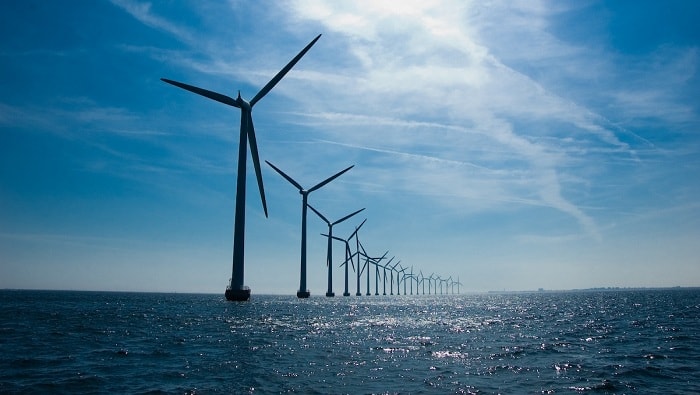
The need for mechanical stability is not limited to onshore networks but is increasingly important for the offshore sector. As we expand our offshore energy footprint, the interaction between different parts of the grid becomes more complex and requires a holistic approach to stability. Large scale offshore wind farms are often connected to the mainland via long high voltage cables, which can introduce their own set of stability challenges, such as voltage fluctuations and resonance issues. Synchronous condensers are increasingly being used at the onshore landing points of these cables to provide the necessary support and to ensure a smooth transition of power into the main grid.
Furthermore, as the industry moves toward more ambitious projects, developing subsea power infrastructure for offshore energy hubs will require even more sophisticated stability solutions to manage the transmission of massive amounts of power across vast oceanic distances. The synergy between mechanical stability solutions and physical transmission infrastructure is a key theme in modern grid planning and is essential for the success of international energy trade. By combining the strengths of different technologies, engineers can create a network that is both flexible and strong, capable of supporting the full scale of the clean energy transition across both land and sea.
Industry Developments in Synchronous Condensers
In response to the growing need for mechanical inertia in modern power grids, several major global manufacturers have made significant strides over the past two years. Hitachi Energy committed to delivering synchronous condenser machines for Powerlink’s Central Queensland Syncon project, while Andritz secured a contract to supply four synchronous condensers to the Statkraft Group.
Similarly, ABB partnered with VoltaGrid to deploy synchronous condenser units specifically designed to support stable power for data centers. GE Vernova expanded its grid stability footprint by forming a strategic alliance with Xcel Energy to deploy its proprietary synchronous condenser technology, and WEG signed a major contract to supply a comprehensive compensation solution, anchored by synchronous condensers, to Brazil’s National Interconnected System. Together, these verified developments highlight a widespread, industry-wide push to stabilize renewable-heavy grids using mechanical rotating mass technology.
Economic Outlook and Market Competition
The market for synchronous condensers is being driven by both regulatory requirements and economic necessity as the energy transition accelerates. Many grid codes are being updated to mandate minimum levels of inertia and short circuit strength, creating a clear and growing demand for stability solutions. At the same time, the falling cost of power electronics and the increasing competitiveness of renewable energy are making it easier to justify the investment in synchronous condensers as a key enabler of a low carbon system. Investors are recognizing that these assets provide a stable and essential service, with long term contracts often available from grid operators or government agencies.
However, the technology faces competition from advanced inverter control strategies, such as grid forming inverters, which aim to provide synthetic inertia through software. While these technologies show great promise and could potentially reduce the need for mechanical solutions in the long term, they are still in the early stages of large scale deployment and may not yet be able to provide the same level of short circuit current or physical robustness as a synchronous condenser. PowerGen Advancement believes that for the foreseeable future, a hybrid approach that uses both mechanical and electronic solutions is likely to be the most effective and reliable way to manage the transition to a renewables heavy grid.
References
- GE Vernova
- ABB
- National Grid
- Hitachi Energy