
















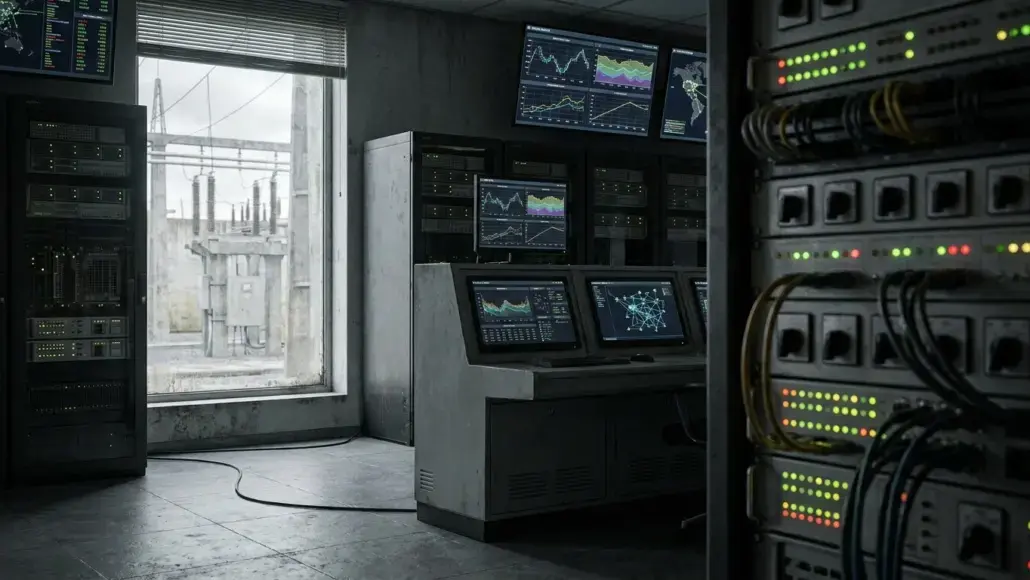
The rapid evolution of electrical infrastructure is being driven by the need for greater efficiency, reliability, and responsiveness. At the core of this transformation are advanced digital controls, which have revolutionized how we manage and distribute energy in both commercial and industrial environments.
PowerGen Advancement notes that by integrating sophisticated software with hardware components, these intelligent systems allow for a level of precision that was previously unattainable. The shift toward a digital transformation in the power sector is not just about adopting new technology. It is about creating a dynamic ecosystem where energy is monitored, analyzed, and optimized in real time. This approach is essential for modern load balancing and ensures that power management remains effective even as demands fluctuate.
Revolutionizing Power Management through Automation
The implementation of advanced digital controls enables a high degree of automation within intelligent power systems. Traditional power management often relied on manual adjustments and static schedules, which frequently led to energy waste and systemic inefficiencies. In contrast, modern digital controls can automatically adjust energy flows based on real-time data, ensuring that power is delivered exactly where it is needed most. This automation is a critical component of the smart grid, allowing for seamless integration of renewable energy sources and better response to peak demand periods. By utilizing advanced digital controls, facility managers can significantly improve their operational efficiency while reducing the risk of human error in complex electrical environments.
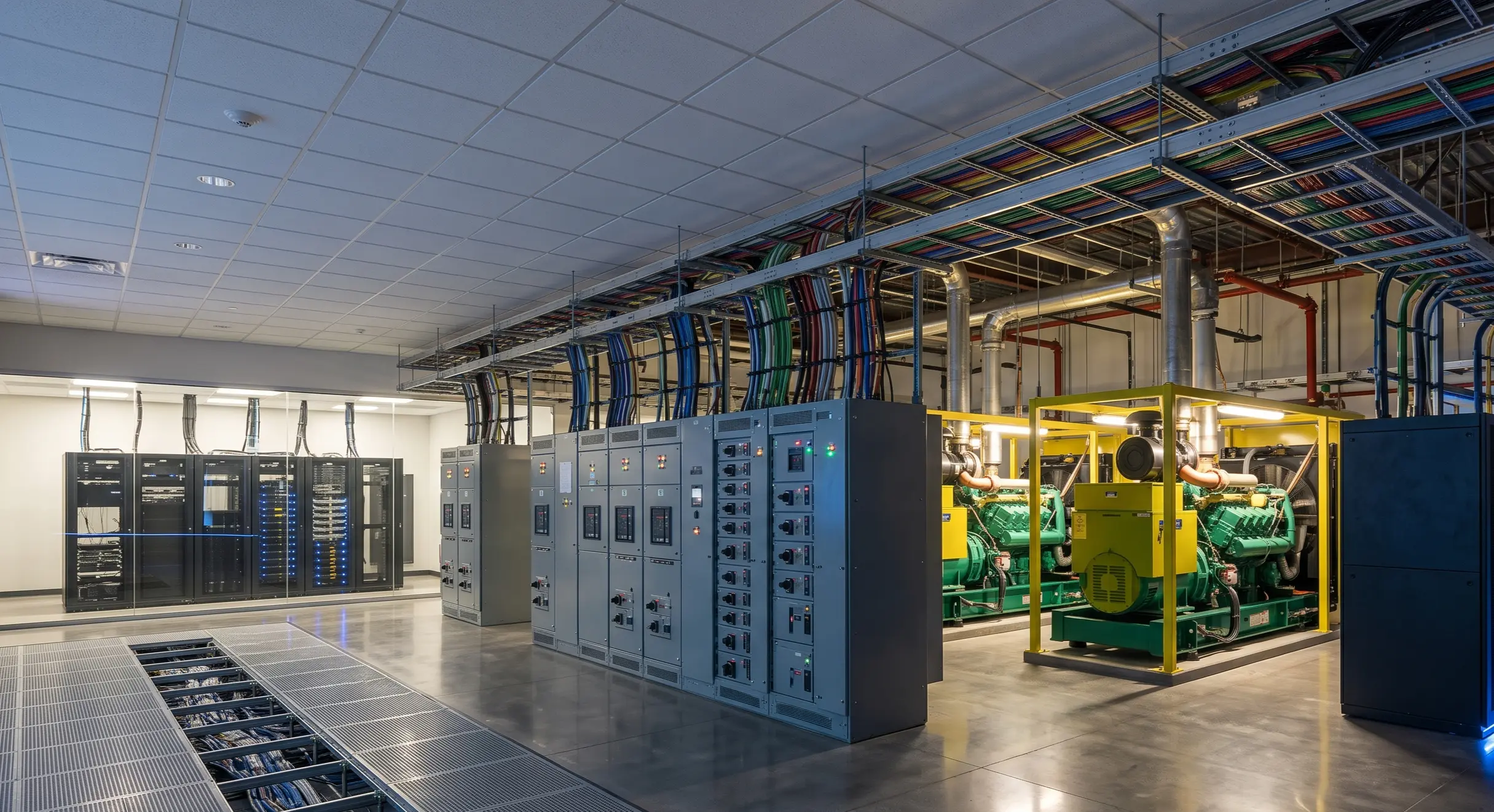
Furthermore, these intelligent systems provide deep insights into energy consumption patterns through continuous energy monitoring. By tracking power usage at every node, organizations can identify hidden inefficiencies and implement targeted strategies for improvement. The data gathered by advanced digital controls allows for a proactive approach to power management, where potential issues are identified and addressed before they lead to costly downtime or equipment failure. This level of oversight is a cornerstone of digital transformation, turning raw electrical data into actionable intelligence that drives long-term sustainability and performance. As these systems become more integrated, the ability to automate complex load balancing tasks will become a standard requirement for any high-performance facility.
Enhancing Load Balancing and System Reliability
One of the most significant challenges in modern power management is maintaining a stable balance between supply and demand. Advanced digital controls play a pivotal role in this process by facilitating sophisticated load balancing techniques. In a large-scale commercial building or an industrial complex, the demand for power can vary wildly depending on the time of day, occupancy levels, and production schedules. Intelligent systems equipped with advanced digital controls can dynamically shift loads to avoid overloading specific circuits, thereby enhancing the overall reliability of the system. This capability is essential for preventing blackouts and extending the lifespan of electrical components, which are often stressed by inconsistent power quality.
Moreover, the integration of advanced digital controls within a smart grid framework allows for a two-way flow of information and energy. This means that facilities can not only consume power but also contribute back to the grid when they have excess capacity, or reduce their intake during periods of high grid stress. This interactive relationship is made possible by the high-speed data processing capabilities of modern digital transformation initiatives. By leveraging advanced digital controls, organizations can participate in demand-response programs, gaining financial incentives while supporting the stability of the broader energy network. The result is a more resilient and efficient power infrastructure that can adapt to the challenges of a rapidly changing energy landscape.
Digital Transformation and the Future of Energy Monitoring
The journey toward fully intelligent systems is intrinsically linked to the ongoing digital transformation of the energy sector. This process involves the widespread deployment of IoT sensors, high-speed communication networks, and cloud-based analytics platforms. At every step, advanced digital controls serve as the interface between the physical electrical world and the digital analytical tools. Through detailed energy monitoring, these controls provide the necessary data to feed machine learning algorithms, which can then predict future demand and optimize power management strategies accordingly. This predictive capability represents the next frontier in efficiency, allowing for a truly autonomous energy environment.
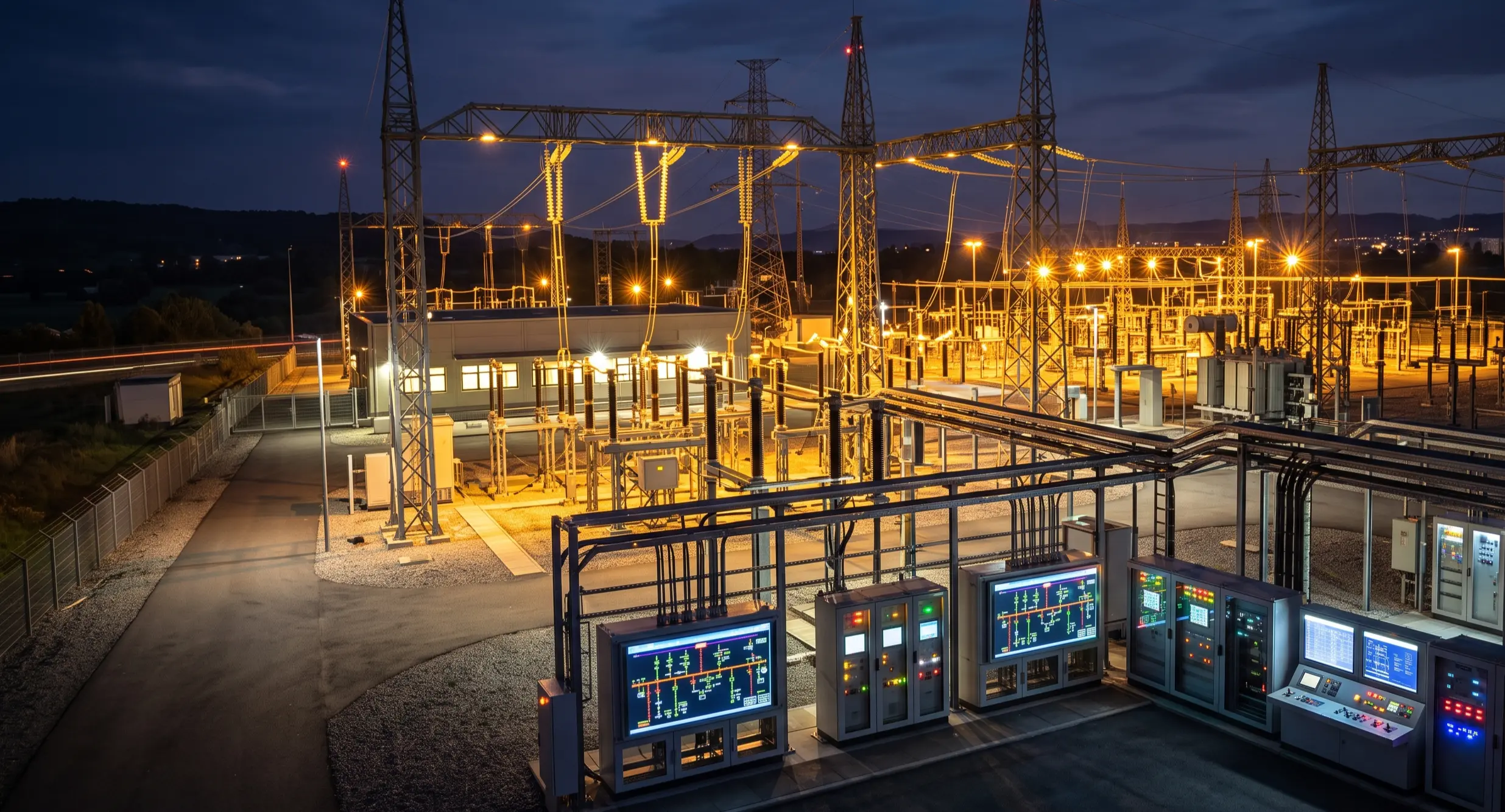
The benefits of advanced digital controls also extend to the ease of maintenance and system upgrades. In the past, changing a power management protocol might have required extensive rewiring or hardware replacement. Today, many adjustments can be made through software updates, allowing for rapid deployment of new efficiency strategies. This flexibility is a hallmark of digital transformation, ensuring that power systems remain at the cutting edge of technology throughout their operational life. As we continue to integrate more renewable energy and electric vehicle charging infrastructure, the role of advanced digital controls will only grow in importance, providing the necessary intelligence to manage these complex and variable loads with ease and precision.
Strategic Implementation for Maximum Efficiency
For organizations looking to adopt advanced digital controls, a strategic and phased approach is often the most effective. This begins with a comprehensive audit of existing power infrastructure and the identification of key areas where automation and energy monitoring can provide the greatest value. Integrating these intelligent systems requires a commitment to data security and interoperability, ensuring that different components can communicate effectively within the broader smart grid. By prioritizing advanced digital controls, businesses can not only achieve immediate gains in efficiency but also future-proof their operations against rising energy costs and stricter environmental regulations. The transition to a digitally-controlled power environment is a significant investment, but the returns in terms of reliability, cost savings, and sustainability are profound.
In conclusion, advanced digital controls are the essential building blocks of the next generation of intelligent power systems. PowerGen Advancement believes that by providing the tools for sophisticated automation, real-time energy monitoring, and dynamic load balancing, these controls enable a level of performance that was once unimaginable.
The ongoing digital transformation of the power sector is paving the way for a more sustainable and resilient energy future, where every watt is accounted for and optimized. As we embrace these advanced digital controls, we are not just improving our efficiency; we are redefining our relationship with energy, moving toward a world where power management is seamless, intelligent, and inherently sustainable.