





The global transition toward a carbon neutral future has placed immense pressure on industrial and commercial sectors to rethink their energy consumption patterns. As nations strive to meet net zero targets, the role of lighting, often an overlooked component of infrastructure, has emerged as a primary catalyst for rapid decarbonization.
Implementing comprehensive energy efficient lighting strategies is no longer just a matter of cost savings but a fundamental requirement for achieving long term sustainability. PowerGen Advancement notes that by leveraging advanced lighting technology and integrating green energy sources, organizations can significantly reduce their power consumption while maintaining operational excellence. The shift requires a holistic understanding of how light interacts with the built environment and how modern power systems can be optimized to eliminate waste.
The Imperative of Decarbonization in Modern Lighting Systems
The path to net zero necessitates a complete overhaul of traditional lighting paradigms that have long relied on high energy discharge lamps and inefficient thermal emitters. Decarbonization in this context involves more than just swapping bulbs. It requires a systemic approach to how light is generated, distributed, and controlled. Energy efficient lighting strategies act as the backbone of this transformation, providing a clear roadmap for reducing the carbon neutral gap in industrial efficiency. When we look at the total power consumption of a large scale manufacturing facility or a commercial high rise, lighting can account for up to forty percent of the electricity bill. By addressing this through sustainable practices, organizations can achieve immediate and measurable progress toward global climate goals.
Transitioning to advanced lighting technology allows for a significant reduction in heat dissipation, which in turn lowers the cooling load on HVAC systems. This secondary effect is often ignored but is vital for green energy integration. As we deploy these energy efficient lighting strategies, the focus must remain on the lifecycle of the components. Sustainability is not just about the energy used during operation but also the energy required to manufacture and dispose of these systems. Therefore, a truly carbon neutral strategy incorporates high efficiency materials and modular designs that facilitate easier upgrades and repairs, further enhancing industrial efficiency across the board.
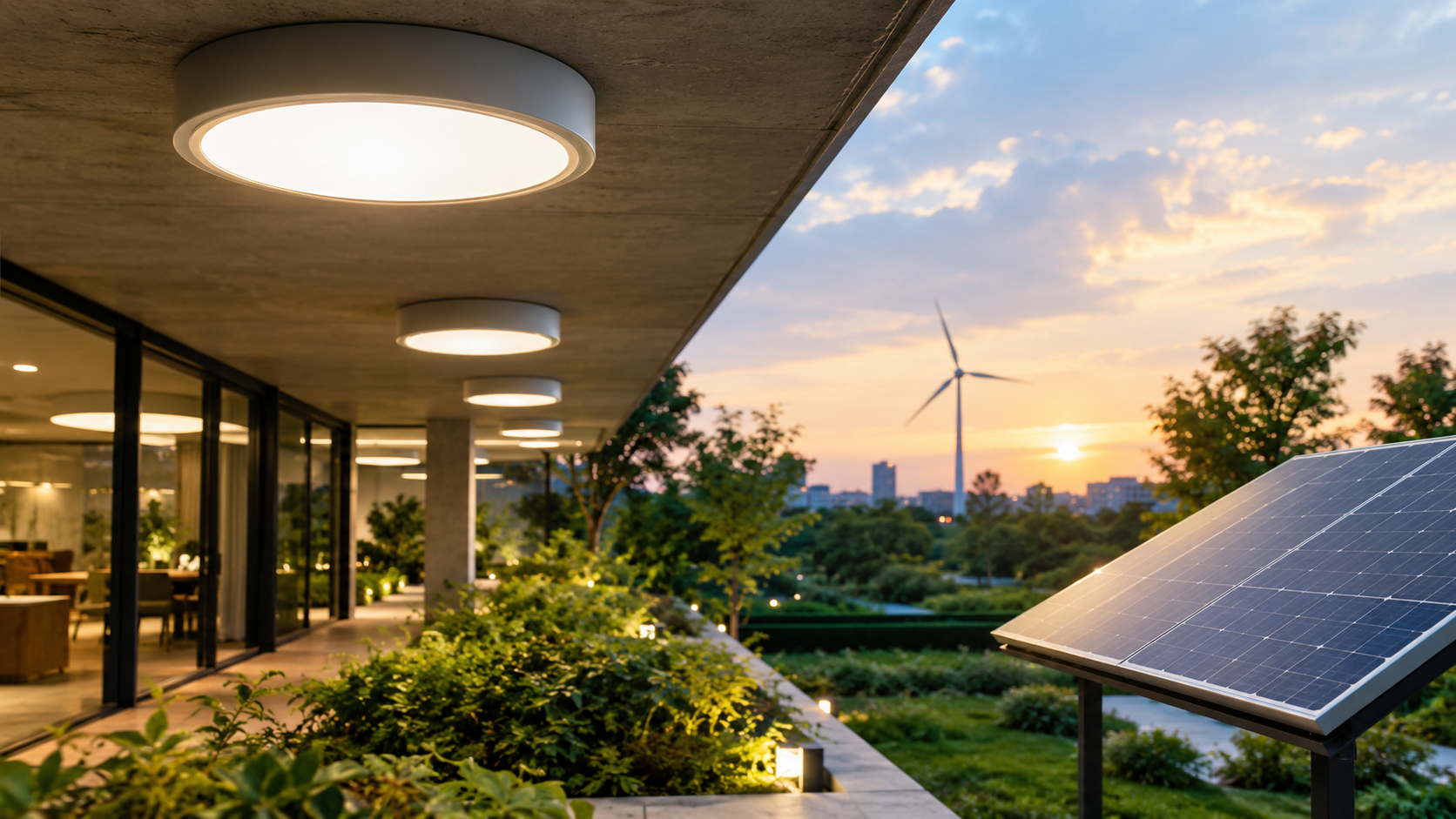
The thermodynamic interaction between illumination hardware and interior cooling mechanics cannot be overstated. Conventional metal halide, mercury vapor, and high pressure sodium fixtures radiate significant amounts of infrared energy directly into the conditioned envelope. This wasted thermal energy forces mechanical chillers and air handling units to expend substantial electrical power merely to counteract the heat emitted by overhead fixtures. When high efficacy solid state systems replace these legacy emitters, the internal sensible heat gain drops dramatically. In continuous manufacturing plants, cold storage facilities, and pharmaceutical compounding cleanrooms, this reduction in parasitic cooling load can decrease cumulative facility energy expenditures by an additional fifteen to twenty percent beyond direct luminaire wattage drops. Such systemic benefits make a compelling case for accelerating capital replacement schedules.
Advanced Power Technologies and Smart Integration
The integration of intelligent power management systems is a critical pillar of modern energy efficient lighting strategies. These systems utilize sophisticated sensors and automation to ensure that light is provided only when and where it is needed. By reducing unnecessary power consumption through occupancy sensing and daylight harvesting, facilities can slash their energy footprint by an additional thirty percent beyond the gains provided by solid state upgrades alone. This level of control is essential for any organization serious about reaching net zero. Advanced lighting technology now includes the ability to dim lights smoothly in response to real time environmental data, creating a dynamic lighting environment that adapts to human presence and natural light availability.
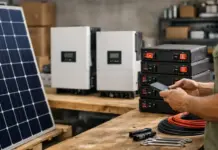
Furthermore, the adoption of green energy sources to power these systems represents the next frontier in sustainability. Connecting energy efficient lighting strategies with localized solar or wind generation allows for a decentralized approach to power consumption. When lighting systems are designed to operate on low voltage direct current power, they become much more compatible with renewable energy storage solutions. This synergy reduces the losses associated with alternating current to direct current conversion and ensures that the lighting infrastructure contributes directly to the overall decarbonization of the site. Industrial efficiency is thus maximized by creating a self sustaining ecosystem where energy is generated, stored, and used with minimal environmental impact.
Direct current distribution topologies represent a profound leap forward in electrical design for commercial and institutional properties. Traditional buildings distribute high voltage alternating current through extensive conduit pathways, terminating in discrete drivers at every fixture. Each driver contains electrolytic capacitors and magnetic transformers that introduce thermal degradation points and conversion losses ranging between eight and eighteen percent. By centralizing rectification at the building service entrance or integrating class two direct current microgrids powered by onsite photovoltaic panels, facilities eliminate redundant point of use converters. Direct current microgrids deliver clean, steady electrical current directly to solid state chips, mitigating flicker, lowering equipment failure rates, and drastically simplifying integration with stationary battery arrays.
Scaling Sustainability Through Industrial Efficiency
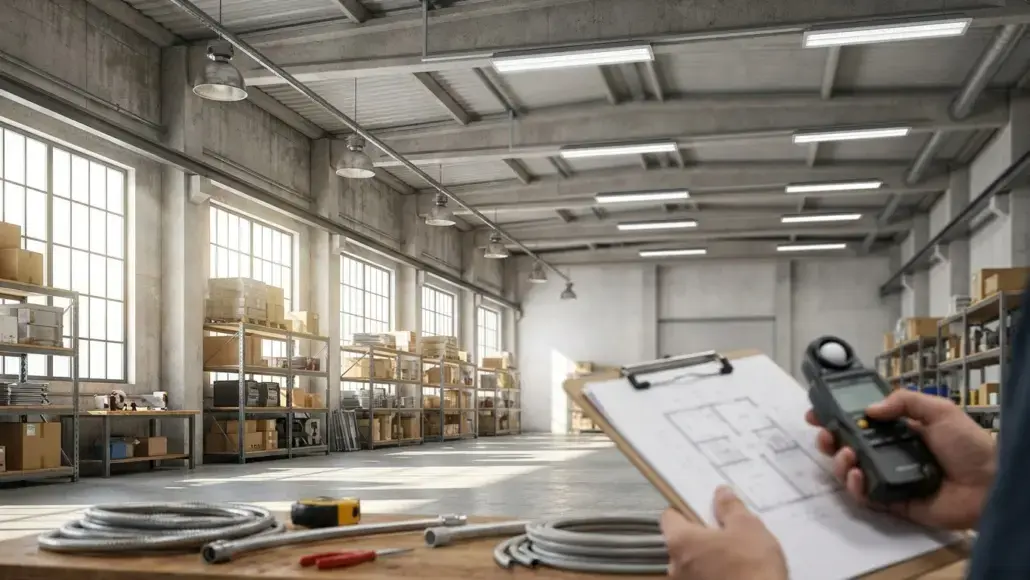
For large scale operations, the implementation of energy efficient lighting strategies must be scalable and resilient. High bay lighting in heavy duty manufacturing environments presents unique challenges, including extreme temperatures, airborne particulates, and intense mechanical vibration. However, modern lighting technology has evolved to provide robust solutions that offer both longevity and high output. By prioritizing energy efficient lighting strategies that include thermal management, conformal coatings, and advanced surge protection, industrial players can ensure that their path to net zero is not hindered by frequent maintenance or equipment failure. The longevity of modern solid state lighting means fewer replacements, which directly correlates to waste reduction and a lower carbon footprint.
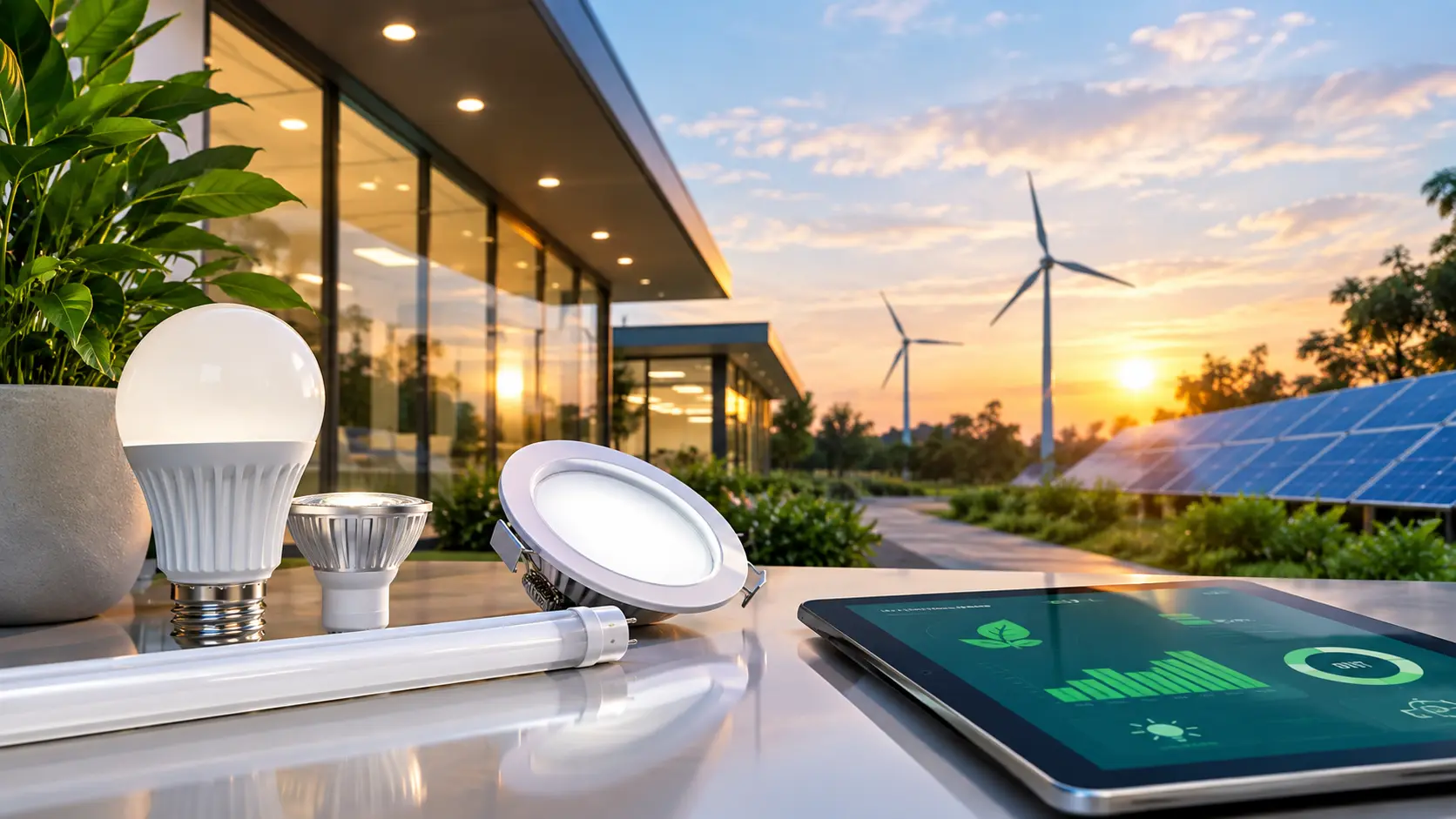 Moreover, the data gathered from intelligent lighting nodes can be used to optimize broader facility operations. Energy efficient lighting strategies that incorporate connected sensors allow managers to track usage patterns and identify areas where power consumption can be further curtailed. This data driven approach is a cornerstone of modern sustainability, turning simple light fixtures into valuable assets for enterprise energy intelligence. As these systems become more prevalent, the collective impact on global energy demand will be profound, moving modern industry closer to a world where operational throughput and environmental stewardship are perfectly aligned.
Strategic Implementation and Future-Proofing
Looking ahead, the evolution of energy efficient lighting strategies will be defined by continuous innovation in material science and digital control architectures. The move toward a carbon neutral economy requires a commitment to constant improvement and the willingness to adopt emerging technologies as they mature. Wide bandgap semiconductors, such as gallium nitride and silicon carbide substrates, are beginning to replace traditional silicon switches in power supplies, enabling higher switching frequencies, smaller passive components, and unprecedented driver efficiencies exceeding ninety seven percent.
Embedding energy efficient lighting strategies into the core of building design and renovation ensures that infrastructure remains inherently sustainable over multiple decades. This future proofing ensures that as net zero regulatory mandates become more stringent, installed systems can absorb firmware updates, accommodate new sensor payloads, and interface with regional smart grids without requiring disruptive physical overhaul. Financial models that evaluate lighting investments must encompass comprehensive total cost of ownership frameworks, factoring in reduced relamping labor, minimized maintenance hazards, HVAC chill down offsets, and demand response incentives offered by transmission operators.
The journey toward net zero is multifaceted, demanding coordinated engineering excellence across power delivery, environmental control, and digital asset management. Modern lighting provides the most direct and commercially viable entry point for commercial enterprises seeking impactful carbon reductions. PowerGen Advancement believes that by aligning solid state illumination with decentralized renewables and predictive software, industrial organizations establish the framework for long term environmental balance.