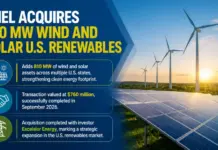

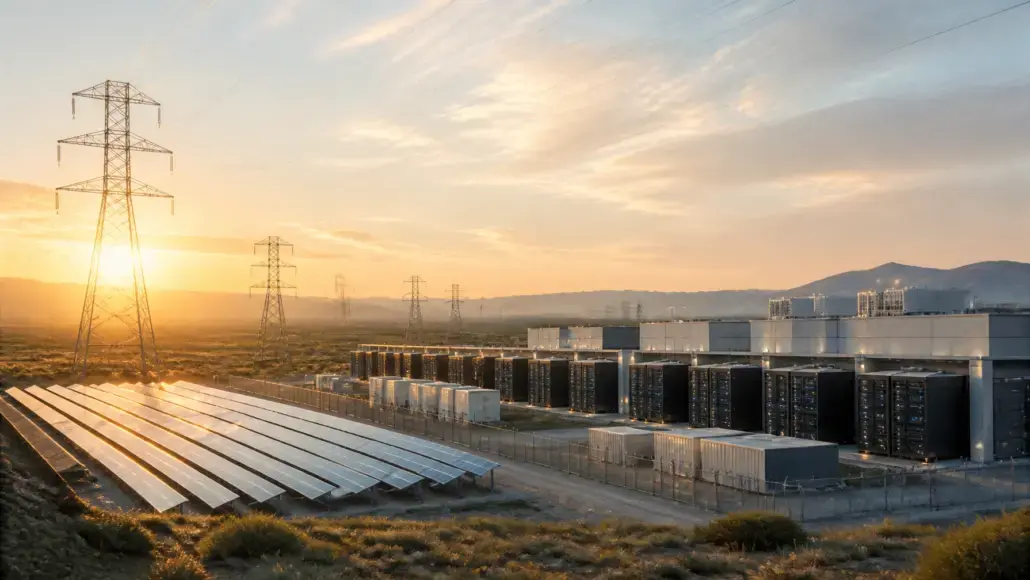
The rapid expansion of artificial intelligence is creating a growing challenge for the electric grid, particularly around how additional computing capacity can be supported without transferring costs to the communities hosting new infrastructure. Against this backdrop, Qcells has announced an expansion of its existing relationship with Microsoft to examine ways of connecting AI infrastructure with new energy capacity.
The proposed approach focuses on developing new generation and flexible energy resources alongside Microsoft’s expanding data center footprint, rather than simply adding electricity demand to the grid. The companies said this could support grid reliability while also enabling future AI growth. The collaboration forms part of Microsoft’s Community-First AI Infrastructure initiative and further expands Qcells’ role in developing the energy infrastructure required for AI.
Bring-Your-Own-Capacity Model
Under the proposed “bring-your-own-capacity” (BYOC) model, Qcells would be responsible for developing and building new energy capacity. That capacity could either be supplied directly to Microsoft or delivered to the local utility serving the surrounding community. Microsoft would fund the power needed for its operations, with the model designed to ensure that additional data center demand is matched by new energy resources. Qcells would contribute its capabilities in energy development, engineering, procurement, construction, and grid orchestration as the companies work to translate Microsoft’s requirements into new energy infrastructure. The approach places AI energy capacity at the center of the companies’ exploration of ways to meet increasing computing-related power requirements.
Virtual Power Plants and Community Participation
Qcells and Microsoft are also examining Virtual Power Plants (VPPs), which can bring together thousands of residential and commercial batteries as one flexible energy resource. When electricity demand reaches peak levels, these batteries can supply power to the grid at times when utilities require additional resources. At other times, participating customers would continue using their batteries as usual while receiving the benefit of lower electricity bills and compensation for helping support grid operations.
Qcells plans to give priority to participation from income-qualified households, with the aim of extending the economic benefits associated with AI infrastructure into the communities where such infrastructure is developed. Microsoft Fabric and Azure would serve as the unifying data layers for secure coordination of these distributed energy resources (DERs) at scale.
Qcells-Microsoft Relationship Enters Next Phase
“As AI transforms the economy, we have an opportunity to rethink how the energy infrastructure supporting it is built,” said Andy Park, Global CEO of Qcells.
“Our relationship with Microsoft began with American-made solar manufacturing and construction. Now we’re exploring how we can build the energy capacity needed for AI while creating lasting value for the communities that share the grid,” he added.