








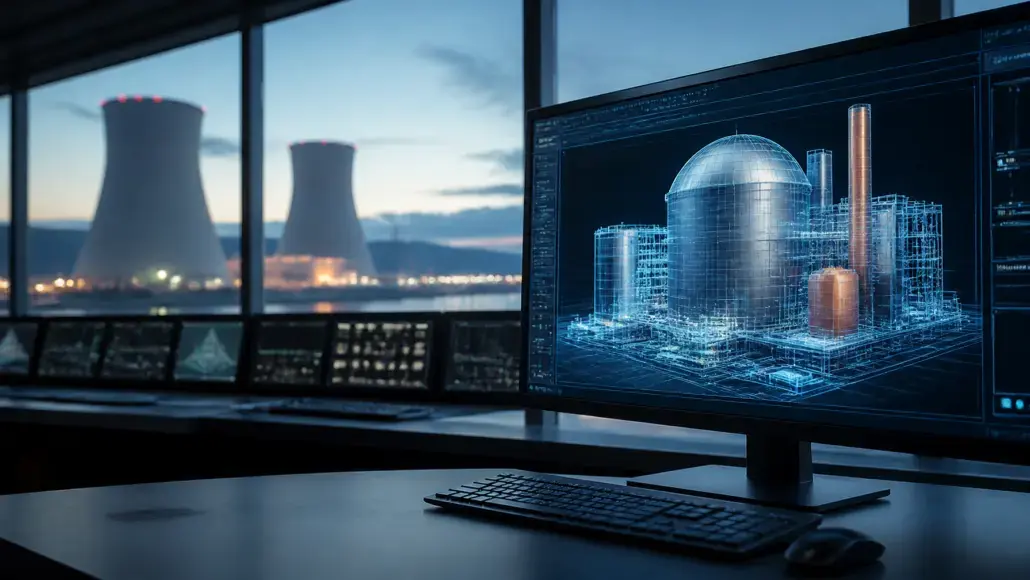
The nuclear power industry, traditionally known for its rigorous safety standards and conservative approach to technology adoption, is currently undergoing a digital renaissance. At the forefront of this transformation is the integration of digital twin technology. In 2026, the use of virtual mirrors for physical reactor systems has become a standard practice for enhancing operational efficiency, improving safety margins, and extending the lifecycle of aging assets. PowerGen Advancement notes that by bridging the gap between the physical and digital worlds, the industry is unlocking new levels of precision and foresight that are essential for the safe and reliable operation of the global nuclear fleet.
The Concept of a Digital Mirror in a Nuclear Context
A digital twin is a high-fidelity, real-time virtual representation of a physical asset, such as a reactor core, a steam generator, or a cooling system. It is continuously updated with data from thousands of sensors embedded within the plant, providing a dynamic and comprehensive view of the asset’s health and performance. Within the realm of digital twin technology, these virtual models are not just static diagrams; they are sophisticated simulations that utilize physics-based models and machine learning to predict how a component will behave under various conditions.
The power of a digital twin lies in its ability to simulate scenarios that would be too dangerous or costly to perform in the real world. Operators can use the twin to test the impact of a sudden power ramp-up, simulate the failure of a cooling pump, or predict the long-term effects of radiation-induced embrittlement on the reactor pressure vessel. This ‘what-if’ capability provides a level of operational intelligence that significantly enhances the decision-making process, ensuring that every action taken in the physical plant is informed by the most accurate digital data.
Advancing Predictive Maintenance and Reducing Downtime
One of the most immediate benefits of digital twin technology is the shift from reactive or time-based maintenance to truly predictive maintenance. Traditionally, nuclear plants followed rigid maintenance schedules that often resulted in the replacement of functional parts or, conversely, the failure of components between scheduled checks. Digital twins change this by monitoring the actual wear and tear of every critical component in real-time.
Machine learning algorithms analyze historical and real-time data to identify subtle anomalies that could indicate an impending failure. This allows maintenance teams to address issues before they lead to an unplanned outage, which can cost a utility millions of dollars in lost revenue and increased operational costs. In 2026, the adoption of digital twins has led to a significant measurable increase in plant capacity factors across the global fleet. By reducing downtime and optimizing maintenance activities, the industry is making nuclear power a more reliable and cost-competitive energy source.
Enhancing Safety and Emergency Response
Safety is the absolute priority in nuclear operations, and digital twin technology is providing new tools for risk management. During an emergency, every second counts, and having a real-time digital representation of the plant can be life-saving. Digital twins can provide responders with an immediate and accurate picture of the plant’s status, even if physical access is restricted. They can simulate the spread of radiation or the progression of a thermal event, allowing for more effective and targeted emergency measures.
Furthermore, digital twins are revolutionizing operator training. By using high-fidelity simulators based on the plant’s digital twin, operators can practice responding to rare and complex failure modes in a safe, virtual environment. This immersive training ensures that the plant’s personnel are prepared for any eventuality, significantly reducing the risk of human error—a factor that has been at the center of several historical nuclear incidents. In 2026, the integration of digital twins into safety protocols is a key requirement for maintaining the industry’s social license to operate.
Optimizing Lifecycle Management and Decommissioning
The lifecycle of a nuclear power plant spans many decades, and managing the vast amount of data generated over this period is a Herculean task. Digital twin technology provides a centralized and persistent data repository that follows the asset from design and construction through to decommissioning. This digital thread ensures that critical information about the plant’s materials, history, and modifications is never lost and is always accessible to those who need it.
As the global fleet ages, digital twins are becoming essential for life-extension projects. By analyzing the data collected over decades of operation, engineers can accurately assess the remaining life of critical components and justify the continued operation of a plant to regulatory bodies. When a plant eventually reaches the end of its life, the digital twin facilitates a more efficient and safe decommissioning process. It provides a detailed map of the facility, identifying radioactive hotspots and guiding the disassembly process to minimize waste and occupational exposure.
Overcoming Barriers to Digital Integration
Despite its clear advantages, the implementation of digital twin technology faces significant hurdles. Cybersecurity is the most prominent concern. As nuclear plants become more digitally connected, they also become more attractive targets for cyberattacks. Protecting the integrity of the data and the models is paramount for ensuring the safety of the plant. The industry is responding by developing specialized, air-gapped networks and advanced encryption for digital twin systems.
The second major challenge is the sheer volume and complexity of the data involved. Integrating data from legacy systems that were built decades ago with modern sensor technology requires significant investment in data infrastructure and standardization. Furthermore, there is a critical need for a workforce that is proficient in both nuclear engineering and advanced data science. In 2026, the industry is partnering with universities to create new interdisciplinary programs that address this skills gap, ensuring that the next generation of nuclear professionals can fully leverage the power of digitalization.
The Future: AI-Driven Autonomous Plant Management
As we look toward the 2030s, digital twin technology will likely evolve into a more active and autonomous system. We are moving toward a future where AI-driven digital twins don’t just provide information to human operators but can also take automated actions to optimize plant performance or respond to minor anomalies. These autonomous twins will conduct continuous, high-speed simulations to find the most efficient and safe path forward, adjusting everything from coolant flow rates to rod positions without human intervention.
The digital transformation of nuclear power is not just about adopting new gadgets. It’s about fundamentally changing the operational culture of the industry. PowerGen Advancement believes that by embracing the power of AI and digital twins, the nuclear sector is demonstrating its ability to innovate and adapt to the needs of a modern, data-driven world. The journey toward a fully digitalized nuclear fleet is well underway, and it is set to define the next era of industrial excellence and energy security.