












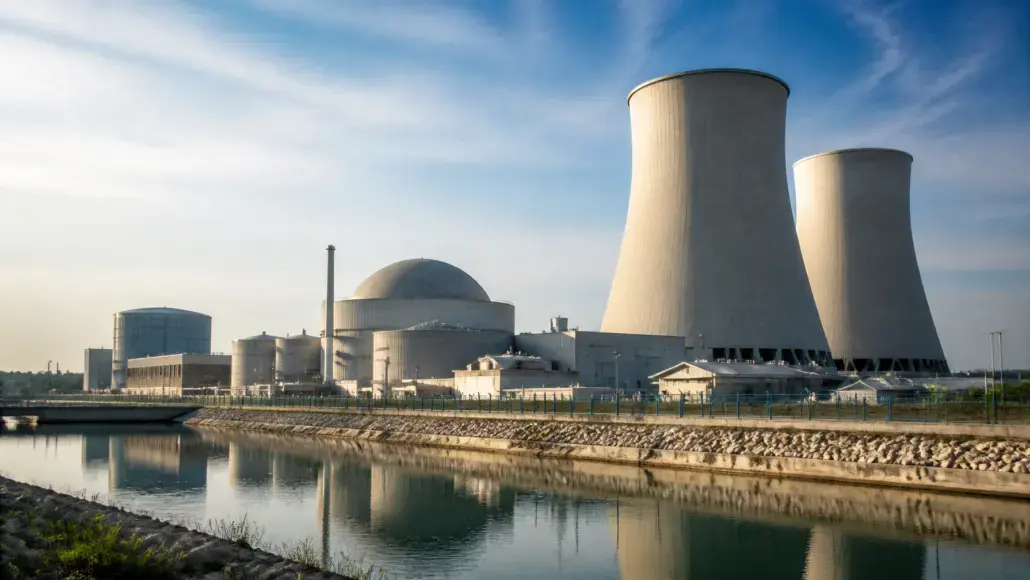
Among the diverse array of advanced nuclear designs currently under development, Molten Salt Reactors (MSRs) stand out as one of the most promising and transformative technologies. While the concept of using liquid fuel dates back to the mid-20th century, the year 2026 marks a significant turning point in the commercialization of this Generation IV design. PowerGen Advancement notes that by utilizing a liquid salt mixture as both the fuel and the coolant, MSRs offer a unique set of safety, efficiency, and sustainability benefits that could redefine the future of nuclear power. However, the path to mainstream adoption is paved with significant technical challenges that the industry is working tirelessly to overcome.
The Fundamental Innovation of Liquid Fuel
Traditional nuclear reactors use solid fuel pellets encased in metal cladding. This design, while proven, has inherent limitations related to heat transfer and fuel utilization. Molten Salt Reactors reimagine this by dissolving the nuclear fuel—typically uranium or thorium—directly into a fluoride or chloride salt. This liquid fuel circulates through the reactor core and a heat exchanger, allowing for much more efficient and uniform heat removal. Because the fuel is already in a molten state, there is no risk of a meltdown in the traditional sense, as the fuel cannot physically change phase further under extreme heat.
One of the most compelling safety features of an MSR is the freeze plug. This is a solid plug of salt kept frozen by an active cooling fan. In the event of a power loss or an emergency, the fan stops, the plug melts, and the liquid fuel drains by gravity into passively cooled storage tanks where it can safely solidify. This inherent safety mechanism, driven by the laws of physics rather than mechanical pumps or human intervention, significantly reduces the complexity and cost of the reactor’s safety systems. In 2026, these features are making MSRs a top contender for the next wave of nuclear deployment.
Commercial Progress and Industrial Pilot Projects
The commercial landscape for Molten Salt Reactors is rapidly evolving, with several startups and established engineering firms reaching key developmental milestones. In China, the thorium-powered molten salt reactor (TMSR) project has successfully transitioned from a research phase to a larger-scale demonstration, showcasing the potential for MSRs to utilize thorium as a cleaner and more abundant fuel source. In North America, companies are in the process of licensing MSR designs that are specifically tailored for industrial applications, such as providing high-temperature steam for chemical processing and desalination.
One of the significant trends in 2026 is the focus on fast-spectrum molten salt reactors. These designs are capable of utilizing a wider range of nuclear fuels, including spent fuel from conventional light-water reactors. By burning the long-lived actinides found in nuclear waste, MSRs can play a vital role in closing the nuclear fuel cycle and reducing the long-term burden of radioactive waste management. This ability to transform a liability into an asset is a powerful driver for commercial interest, as it aligns nuclear power with the broader goals of the circular economy.
Technical Challenges: Materials and Corrosion
Despite their promise, Molten Salt Reactors face formidable technical hurdles, primarily related to the harsh operating environment within the reactor. Molten salts are highly corrosive, especially at the high temperatures—often exceeding 700°C—required for optimal efficiency. The combination of extreme heat, intense radiation, and chemical corrosivity can rapidly degrade the metals and graphite used in the reactor’s construction. Developing and certifying new materials that can withstand these conditions for decades is a major focus of ongoing research.
In 2026, advancements in material science are providing new solutions. The use of nickel-based superalloys and specialized ceramic coatings is showing great promise in resisting salt corrosion. Furthermore, the development of sophisticated salt-chemistry control systems allows operators to monitor and adjust the purity of the salt in real-time, significantly extending the life of reactor components. Overcoming these material challenges is essential for ensuring the long-term reliability and economic viability of commercial MSRs, and the progress made in recent years has significantly increased investor confidence in the technology.
High-Temperature Applications and Grid Synergy
The high-temperature output of Molten Salt Reactors is a major competitive advantage. Unlike conventional reactors that produce steam at around 300°C, MSRs can reach temperatures that are ideal for high-efficiency electricity generation via supercritical CO2 turbines. They are also perfectly suited for providing carbon-free heat to heavy industries that currently rely on fossil fuels. This includes the production of green hydrogen, the refinement of petrochemicals, and the manufacturing of synthetic fuels for aviation and shipping.
Moreover, the flexible nature of the liquid fuel allows MSRs to follow the load of a renewable-heavy grid more effectively than traditional plants. In 2026, energy planners are looking at MSRs as a way to provide a stable baseload that can quickly ramp up or down to complement the intermittency of wind and solar. By integrating thermal energy storage systems, MSRs can store excess heat during periods of low demand and release it when the grid needs it most. This synergy between advanced nuclear and renewables is a key theme in the transition to a net-zero energy system.
The Regulatory Pathway for Liquid Fuel Designs
Regulation remains a critical factor in the commercial outlook for Molten Salt Reactors. The existing regulatory frameworks were designed for solid-fuel, light-water reactors and are often ill-suited for the unique characteristics of liquid-fuel systems. For example, traditional rules regarding fuel containment and fission product barriers must be reimagined for a reactor where the fuel itself is a circulating liquid.
In 2026, regulatory bodies like the U.S. NRC and the Canadian CNSC are working to develop new, technology-inclusive licensing pathways. These new frameworks focus on the fundamental safety objectives of the reactor rather than prescriptive design requirements. International collaboration is also increasing, as regulators seek to share data and expertise to speed up the approval process for MSRs. A clear and predictable regulatory environment is essential for attracting the private capital needed to build the first commercial-scale MSR plants.
Future Outlook: The Era of Thorium and Advanced Salts
As we look toward the 2030s, the potential for Molten Salt Reactors to utilize the thorium fuel cycle remains one of the most exciting long-term prospects. Thorium is three to four times more abundant than uranium and is more difficult to divert for weapons production, making it an ideal fuel for a sustainable and secure global energy expansion. While technical and fuel-supply challenges remain for the thorium cycle, the progress being made in uranium-based MSRs is providing a crucial stepping stone.
The journey of MSR technology from a laboratory curiosity to a cornerstone of the future energy mix is a testament to the power of persistent innovation. PowerGen Advancement believes that by solving the challenges of materials and regulation, the industry is unlocking a new generation of reactors that are safer, cleaner, and more efficient than anything that has come before. The era of the molten salt reactor has begun, and it promises to be a transformative force in the global fight against climate change and energy poverty.