




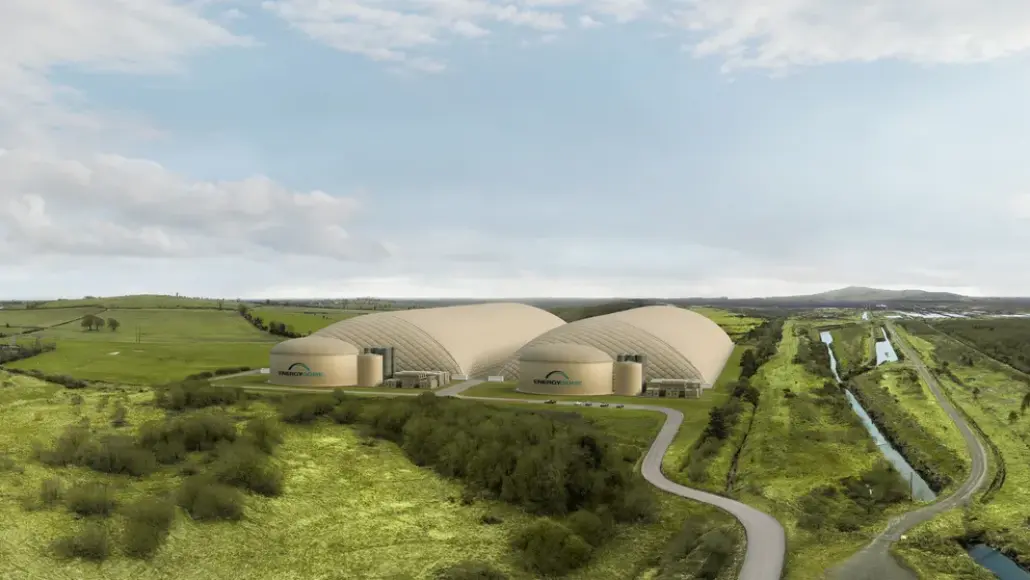
Google and Energy Dome have finalized their inaugural bilateral commercial agreement to implement a 23 MW/200 MWh long-duration energy storage project in County Offaly, Ireland. This initiative is designed to bolster grid reliability and advance the availability of carbon-free electricity within the region. By utilizing Energy Dome’s CO2 Battery energy storage technology, the facility will capture surplus power and dispatch it during periods of high demand. Under the terms of the CO2 battery storage project agreement, Energy Dome will be responsible for the development, ownership, and operation of the facility in Ireland.
This CO2 battery storage project represents a continuation of the partnership established last year between the two companies, aimed at scaling sustainable power systems globally. The announcement follows a 19 MW/200 MWh battery project collaboration in Arizona.
Converting Surplus Generation into Dispatchable Power
As nations integrate higher levels of renewable energy resources into their networks, the necessity for long-duration energy storage has become a critical priority. While wind and solar assets often produce excess energy during peak conditions, this power can be lost without effective storage solutions. Ireland has targeted an 80% renewable electricity share by 2030, identifying large-scale storage as a vital component for maintaining a consistent supply.
The CO2 battery storage project is situated near Rhode, a strategic point on the national grid that serves the greater Dublin area. Although the region is rich in renewable energy resources, existing grid congestion often restricts the full output of local wind and solar farms. The CO2 Battery system is intended to alleviate these constraints by storing excess energy, thereby reducing the requirement for expensive infrastructure upgrades and supporting more resilient sustainable power systems.
“We are proud to work with Google on a project that strengthens grid reliability and unlocks the path to 24/7 carbon-free energy in Ireland,” stated Claudio Spadacini, Founder and CEO of Energy Dome.
Industrial Site Transformation and Technology Specifications
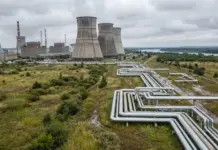
The facility will be constructed on the grounds of a decommissioned peat-fired power plant, repurposing land formerly used for fossil fuel production. Unlike traditional lithium-ion systems, this energy storage technology utilizes carbon dioxide and standard industrial components. Energy Dome maintains that this methodology enhances supply chain stability while providing the necessary capacity for utility-scale applications.
Project Timeline and Future Expansion
The development has already obtained necessary land rights, planning permissions, and a grid connection. Furthermore, it has secured a 10-year capacity contract from EirGrid, the state-owned transmission system operator. The facility is scheduled to begin commercial operations in 2028. Energy Dome has also indicated plans to install a second 200 MWh unit at the Rhode site, establishing a significant energy storage hub in the Irish Midlands.
“At Google, we are committed to catalyzing next-generation energy technologies to bolster grid resilience and introduce critical storage capacity to the system,” said Vanessa Hartley, Head of Google Ireland.