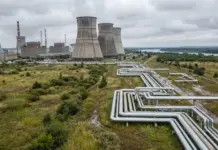






The Federal Government of Nigeria has unveiled an ambitious roadmap to expand the nation’s electricity generation capacity to 277 Gigawatts (GW) by the year 2060. This 277GW electricity generation capacity objective, disclosed by the Minister of Power, Joseph Tegbe, centers on a comprehensive overhaul of the energy landscape, prioritizing renewable energy investment and private sector participation to bolster industrial productivity and national competitiveness.
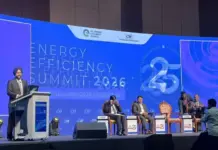
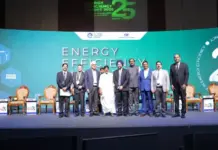
Speaking at the Lagos Chamber of Commerce and Industry Renewable Energy Outlook Conference 2026, Tegbe characterized the current state of the power sector as a paradox. He noted that while Nigeria remains Africa’s largest economy with an installed electricity generation capacity exceeding 13,000 megawatts, less than half of this output consistently reaches the end consumer. This discrepancy has forced manufacturers to rely on expensive alternative fuel sources, creating what the Minister described as a structural tax on the economy.
Legislative Framework and Grid Modernization
Working towards the 277GW electricity generation capacity goal, the ongoing Nigeria power sector reforms are anchored in the Electricity Act 2023, which effectively decentralized the sector by removing electricity from the Exclusive Legislative List. This shift empowers subnational governments to generate, transmit, and distribute power within their borders. To date, approximately 20 states have instituted their own electricity laws, with 12 states moving to take over regulatory functions from the federal commission.
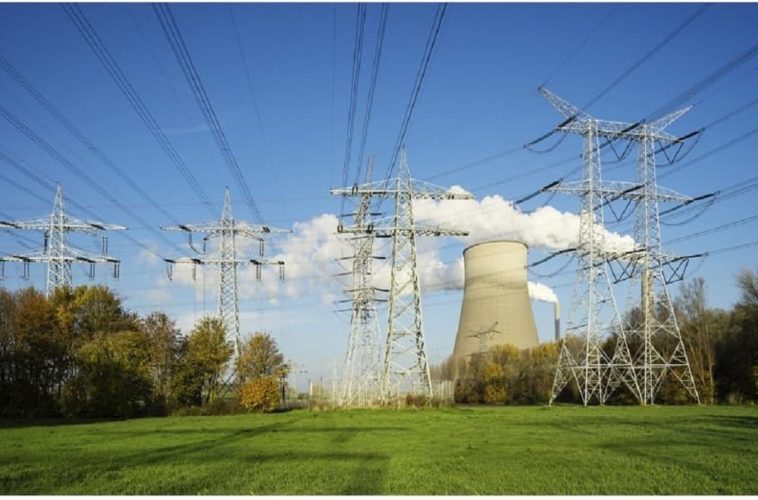
To support this transition, the government has focused on strengthening the national grid infrastructure. Between 2024 and 2025, authorities installed 82 power transformers, adding 8,500MVA of transmission capacity. Furthermore, a $1.16 billion digitalization initiative is currently 69 percent complete. This project has seen the deployment of 3,000 kilometers of fiber optic cables and the upgrading of over 100 substations with advanced monitoring systems to stabilize the national grid infrastructure and reduce the frequency of disturbances.
The Nigeria Energy Transition and Economic Growth
The Nigeria energy transition is designed to address energy poverty while simultaneously meeting climate objectives. The Federal Executive Council’s approval of the National Integrated Electricity Policy in May 2025 serves as the updated framework replacing the outdated 2001 policy. This new direction seeks to utilize Nigeria’s vast natural resources, including 37 trillion cubic feet of natural gas and high solar irradiation levels, to drive sustainable development.
Dr. Abba Aliyu, Managing Director of the Rural Electrification Agency, emphasized that renewable enrgy should be viewed as a catalyst for industrial growth and economic development rather than just a solution for rural areas.