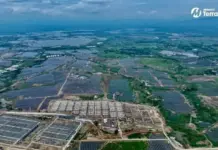

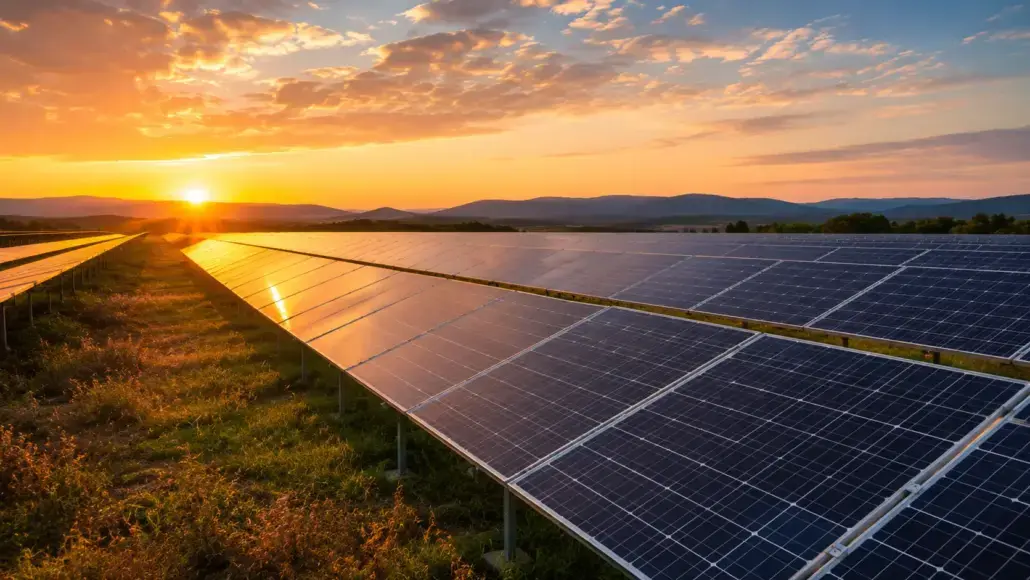
A significant renewable energy infrastructure milestone has been reached in Tunisia with Scatec reaching a financial close and construction commencement of a substantial solar power plant. The 120 MW facility, known as Sidi Bouzid II, represents a major contribution to the region’s energy transition efforts and demonstrates continued investor confidence in North African renewable energy development.
The project has been structured with a total capital expenditure of $111 million, financed through a combination of non-recourse debt and equity arrangements. The financing structure maintains a leverage ratio of approximately 70%. The European Bank for Reconstruction and Development (EBRD) and the European Investment Bank (EIB) serve as the senior lending institutions.
Project Partnership and Development Structure
Sidi Bouzid II has been developed through a collaborative partnership between Scatec and Aeolus SAS (Aeolus) that brings together complementary expertise in renewable energy development and investment. The ownership structure divides the project equally, with Scatec holding a 50% stake and Aeolus holding the rest 50% in the project.
Scatec will provide comprehensive project delivery services, including Engineering, Procurement and Construction (EPC), Asset Management, and Operations and Maintenance services. The EPC scope represents approximately 75% of total capital expenditure.
Renewable Energy Contribution and Climate Impact
Once it reaches commericial operation in second half of 2027, the Sidi Bouzid II solar power plant is projected to generate 276 gigawatt-hours of electricity annually. This electricity generation will contribute meaningfully to Tunisia’s renewable energy targets and enhance the nation’s energy security. Furthermore, the plant is expected to reduce annual CO2 emissions reductions by approximately 107,000 tonnes.
Currently electricity generation in Tunisia relies heavily on natural gas, which accounts for 95% of generation capacity. Notably, more than 60% of Tunisia’s natural gas requirements are met through imports, creating both economic and energy security considerations. Tunisia has established an ambitious target to increase renewable energy’s share of electricity generation to 35% by 2030.
EU Providing Financial Support for the Project
The Sidi Bouzid II project has received substantial support from the European Union through grant funding via the EU Neighbourhood Investment Platform and guarantees provided by the European Fund for Sustainable Development Plus.