




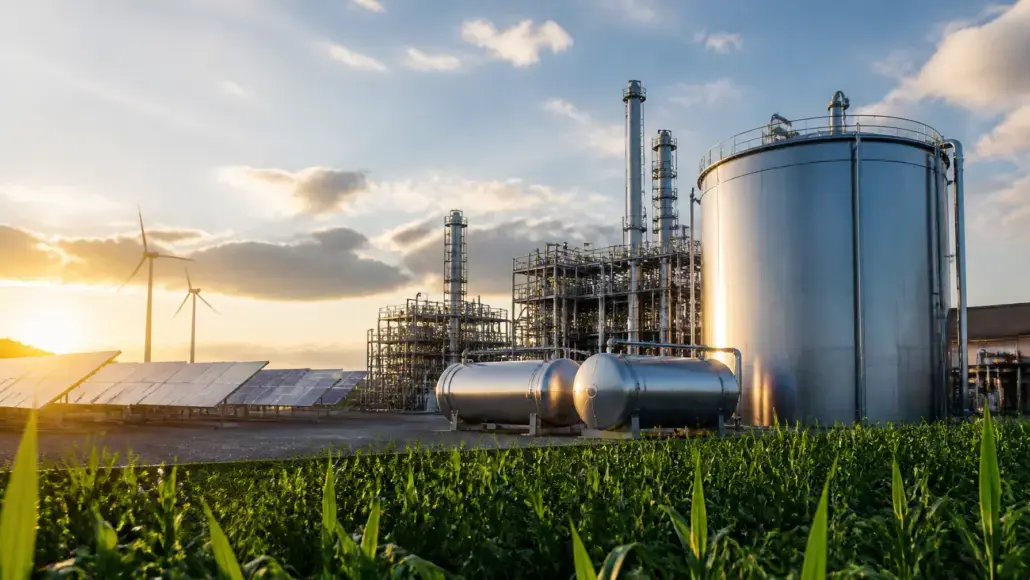
The decarbonization of the global economy is entering a new, more complex phase where the low-hanging fruit of renewable electricity is being supplemented by the need for low-carbon molecular energy. As we look toward sectors that are intrinsically difficult to electrify—most notably aviation, maritime shipping, and heavy-duty industrial processes—e-fuels have emerged as a cornerstone of the future energy mix. These synthetic fuels, produced by combining captured carbon dioxide or nitrogen with hydrogen derived from water electrolysis, offer a drop-in solution that leverages existing infrastructure. However, the path to commercial scale is fraught with logistical and economic challenges. The primary determinant of success for the next generation of production facilities will be the implementation of sophisticated feedstock strategies. PowerGen Advancement notes that without a secure, sustainable, and cost-competitive supply of carbon and hydrogen, the e-fuels industry will struggle to move beyond the pilot phase and into the mainstream of global energy markets.
The Dual Feedstock Challenge: Hydrogen and Carbon
To understand the complexity of scaling e-fuels, one must first appreciate the dual nature of their production. Unlike traditional biofuels, which rely on organic matter, e-fuels are built from the ground up using inorganic building blocks. The first pillar is green hydrogen, which requires massive amounts of renewable electricity and water. The second pillar is carbon dioxide, which must be sourced in a way that ensures the final fuel has a neutral or near-neutral carbon footprint. The interplay between these two feedstocks dictates the location, technology choice, and financial viability of e-fuel projects. A successful feedstock strategy must therefore solve two problems simultaneously: securing high-capacity renewable power for electrolysis and establishing a reliable, long-term supply of sustainable CO2. The optimization of these two streams is where the competitive advantage in the burgeoning e-fuels sector will be won.
Sourcing Sustainable Carbon Dioxide for Synthetic Production
The carbon component of e-fuels is perhaps the most debated element of the production process. To be truly sustainable, the CO2 used must not contribute to a net increase in atmospheric concentrations when the fuel is eventually burned. Currently, there are two primary pathways for sourcing this carbon: point-source capture from industrial processes and Direct Air Capture (DAC). Industrial point-source capture, particularly from facilities that process biomass (such as ethanol plants or paper mills), offers a relatively high concentration of CO2 at a lower cost. However, the availability of biogenic CO2 is geographically limited and may not be sufficient to meet the projected long-term demand for e-fuels. This makes the development of DAC technology a strategic necessity, despite its current high energy requirements and cost. A diversified feedstock strategy that balances low-cost biogenic CO2 in the short term with scalable DAC solutions in the long term is essential for market growth.
The Economics of Point-Source vs. Atmospheric Capture
For developers, the choice between sourcing CO2 from an industrial flue gas or directly from the atmosphere is a matter of both CAPEX and OPEX. Point-source capture is technically mature and significantly more energy-efficient because the CO2 is already concentrated. However, it binds the e-fuel project to the continued operation of the host industrial facility, introducing a counterparty risk that can be difficult to manage over a twenty-year investment horizon. In contrast, DAC offers total geographic freedom, allowing e-fuels plants to be located in regions with the absolute best renewable energy resources, such as the deserts of Chile or the wind-swept plains of Australia. While the cost of DAC is currently a barrier, many feedstock strategies are betting on a rapid decline in costs as the technology scales. Investors are increasingly looking at hybrid models where projects start with point-source CO2 to ensure early cash flow while building in the modular capacity to integrate DAC as it becomes more competitive.
Renewable Electricity Sourcing and the Additionality Debate
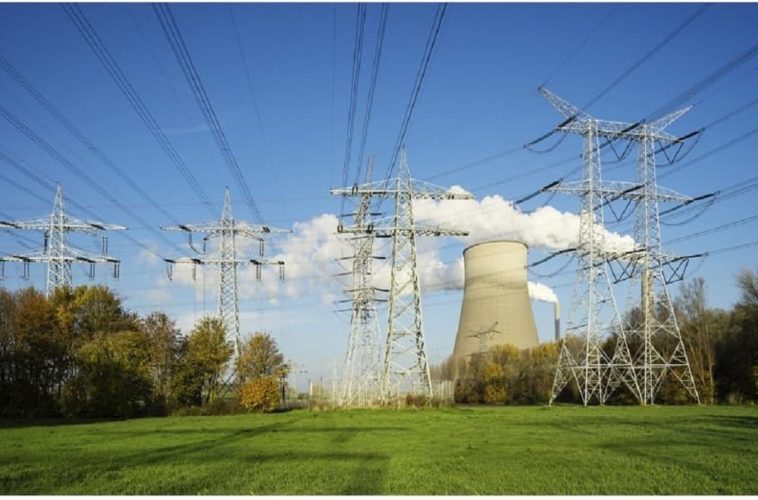
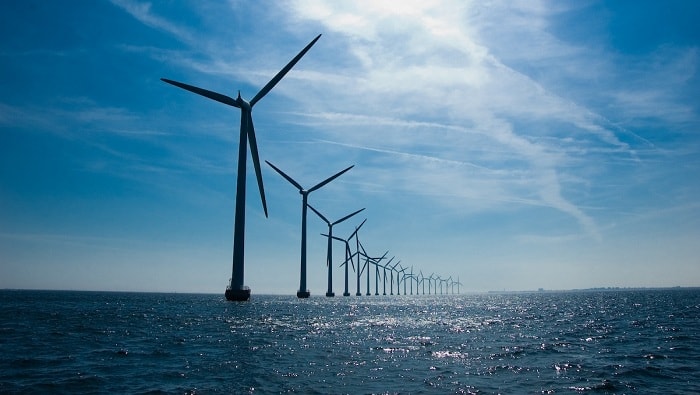
The hydrogen component of e-fuels represents the largest share of the final fuel’s cost, primarily driven by the price of renewable electricity. A robust feedstock strategy must go beyond simply buying green power from the grid. In many jurisdictions, most notably the European Union, strict regulations are being implemented regarding additionality. This principle requires that the renewable energy used for e-fuels production must come from new assets rather than existing ones to ensure that the production of synthetic fuels doesn’t cannibalize the greening of the power grid. This adds a significant layer of complexity to feedstock planning. Developers must now become energy developers themselves, often co-locating wind and solar farms with their electrolysis plants. This integrated approach reduces transmission costs and ensures compliance with regulatory standards, but it also increases the initial capital requirement and the complexity of the project’s permitting process.
The Role of Power-to-X Hubs in Scaling Production
As the industry matures, the concept of Power-to-X hubs is becoming a central strategy for scaling e-fuels. These hubs are centralized locations where renewable energy, water, and CO2 sourcing are optimized at an industrial scale. By concentrating production in specific regions, developers can achieve economies of scale that are impossible for standalone plants. These hubs also facilitate the development of shared infrastructure, such as hydrogen pipelines and CO2 storage facilities, which further lowers the cost of feedstocks. From a feedstock strategy perspective, being part of a hub allows for better risk management. For instance, a hub might have multiple sources of CO2 and a diversified portfolio of renewable energy assets, ensuring that production can continue even if one source is temporarily unavailable. The hub model is particularly attractive to institutional investors who prefer the stability of large-scale, integrated industrial ecosystems.
Navigating the Global Logistics of Feedstock Supply Chains
Unlike traditional petroleum, the wells for e-fuels are the wind and the sun. This shift necessitates a completely new global logistics framework. Some of the most efficient feedstock strategies involve producing e-fuels in regions with high renewable potential and then shipping the finished product—or an intermediate like green ammonia or methanol—to demand centers. This energy carrier strategy allows countries with limited land for renewables to still participate in the transition. However, it introduces new challenges in terms of shipping costs and international certification. A feedstock strategy is not complete unless it accounts for the well-to-wake or well-to-wheel carbon intensity, which includes the emissions associated with transporting the feedstocks and the final fuel. The development of digital tracking and blockchain-based certification will be vital to prove the provenance and sustainability of these fuels as they move through global trade routes.
Regulatory Frameworks as a Catalyst for Feedstock Investment
Policy remains the single most important driver for the e-fuels market. Mechanisms like the European Union’s RefuelEU Aviation and FuelEU Maritime mandates create a guaranteed market by requiring a minimum percentage of synthetic fuels in the fuel mix. These mandates provide the demand signal that justifies the massive investment in feedstock infrastructure. Furthermore, subsidies like the production tax credits in the U.S. Inflation Reduction Act significantly alter the feedstock math, making once-marginal projects suddenly profitable. For developers, the strategy must be to align feedstock sourcing with the specific requirements of these incentive programs. For example, to qualify for the highest tiers of support, a project might need to prove specific carbon intensity thresholds, which in turn dictates the choice of CO2 source and the configuration of the renewable energy supply.
The Future of E-Fuels: Innovation in Feedstock Processing
Looking ahead, the next frontier in e-fuels feedstock strategies will involve technological innovations that simplify the production chain. One such area is the development of co-electrolysis, which allows for the simultaneous conversion of water and CO2 into syngas in a single reactor. This could significantly reduce the energy loss and capital cost associated with separate hydrogen and carbon processing steps. Another area of interest is the use of waste-to-energy pathways, where gasification of municipal solid waste provides both the carbon and the hydrogen needed for fuel synthesis. While these technologies are still in the early stages of commercialization, they represent the next logical step in the evolution of feedstock strategies. By broadening the definition of what constitutes a feedstock, the e-fuels industry can tap into even larger pools of resources, further driving down costs and increasing the resilience of the supply chain.
Securing the Foundation of a Synthetic Fuel Economy
The transition to e-fuels is not just a technological challenge. It is a massive logistical and strategic undertaking. The success of the industry hinges on the ability of developers to master the intricacies of feedstock sourcing, processing, and management. A winning strategy must be holistic, considering everything from the additionality of renewable power to the long-term scalability of direct air capture. As global mandates for clean fuels become more stringent and the cost of carbon continues to rise, those who have secured the most reliable and sustainable feedstock streams will be the ones who lead the market. PowerGen Advancement belives that e-fuels offer a path to a truly circular energy economy, where carbon is a resource rather than a waste product. By building robust feedstock strategies today, we are securing the foundation for a carbon-neutral world tomorrow. The scale-up is inevitable, but its speed and efficiency will be determined by how well we manage the molecules that make it possible.